News
In a report by the Ombudsman as NPM for 2025: Children under 14 continue to be placed in boarding schools: the system punishes instead of supporting
17 February 2026
A dangerous narcotic substance with an unclear chemical composition, known among prisoners as "herb," is spreading in prisons and in many cases cannot be detected with the available drug tests. This is one of the alarming findings in the 13th annual report of the institution on inspections in places of deprivation of liberty in 2025, carried out by the National Preventive Mechanism (NPM).
Editor's note: The NPM is a specialised directorate within the Ombudsman Institution that monitors, inspects, and evaluates compliance with human rights in prisons, detention centers, medical and social care homes for children, family-type accommodation centers for children and adults, psychiatric hospitals, homes for adults with disabilities, mental disorders, and dementia, centers for migrants and refugees, etc.
The data from the Report shows that in 2025, the NPM team carried out a total of 81 inspections – 35% more than in the previous year – in prisons, detention centers, social services, psychiatric hospitals, and accommodation centers for persons seeking protection.
The NPM came across the "herb" case after taking up the matter on its own initiative and conducting a surprise inspection in May last year following information about the death of a prisoner in the Kremikovtsi Closed-type Prison Facility.
Internal inspections have uncovered items with a suspicious smell, presumably linked to the use of a liquid substance of unknown composition, unofficially known as "herb." It can be brought in various ways—impregnated in clothing and paper, soaked in threads, injected into fruit peel. According to the administration, dozens of prisoners use such substances, and cases of falling into an inadequate state (numbness) are often observed, despite their negative drug tests.
In comments to the Ombudsman's team, representatives of the prison administration and medical staff from the Specialized Hospital for Active Treatment of Prisoners said that the substance used by prisoners instead of drugs could be a mixture of bedbug poison (Aiken) with other preparations such as AMB thinner and WD-40 universal spray lubricant. They also pointed out that standard urine tests did not detect the "herb." In addition, those who have consumed the substance always test negative for narcotics. In this regard, the NPM makes recommendations to the Ministry of Justice for an expanded chemical analysis of the substance, the provision of equipment for checking shipments, and the purchase of tests for a wider range of substances.
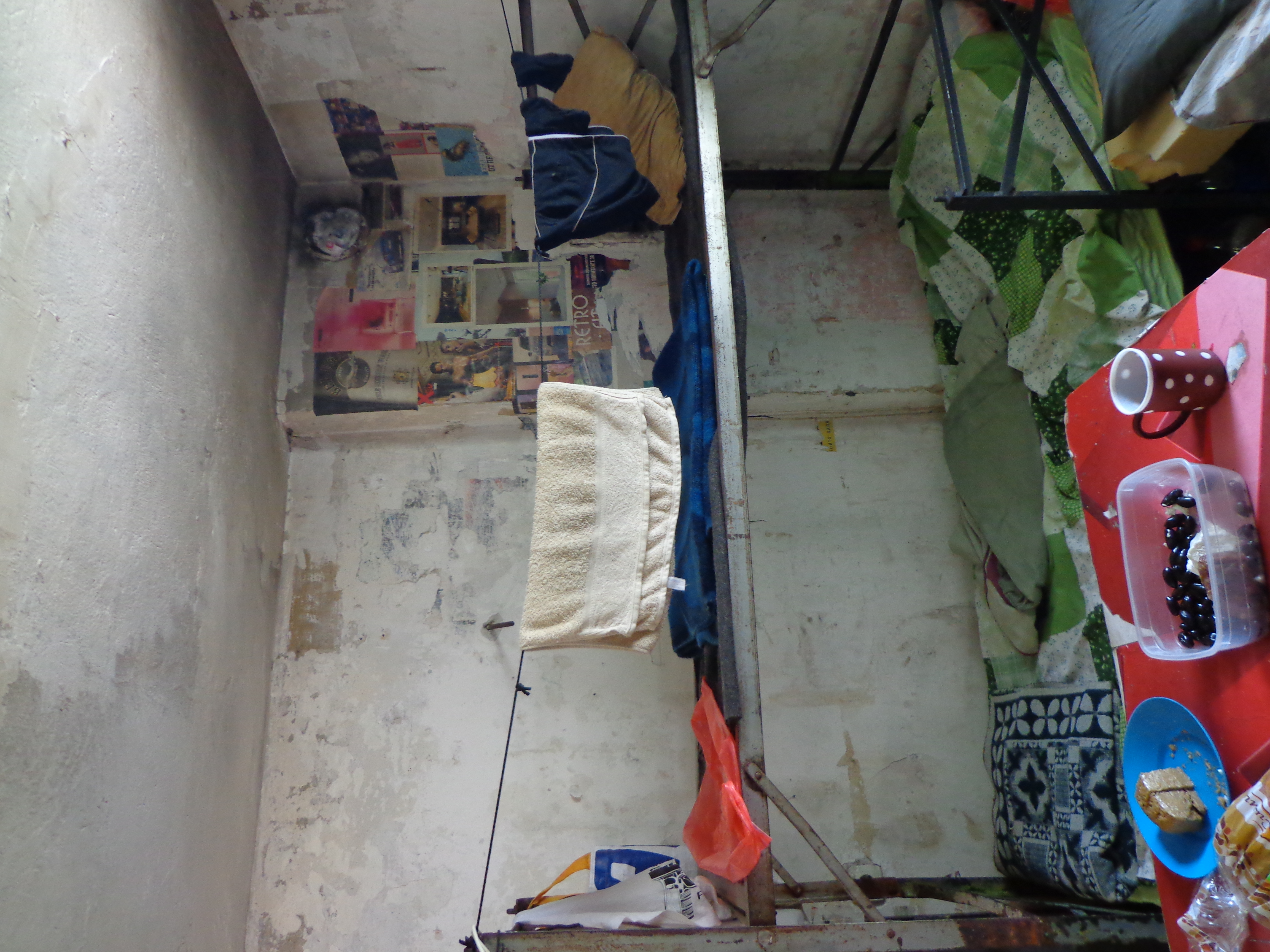
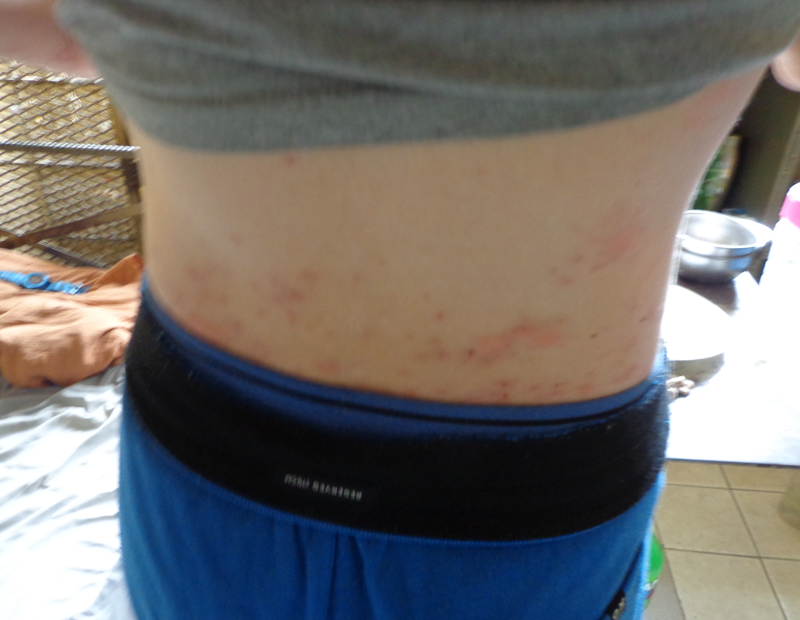
With regard to the findings of inspections in prisons and detention centers as a whole, overcrowding and poor living conditions continue to be reported, including dampness, mold, poor lighting, the presence of parasites, a shortage of medical staff, and problems with access to treatment.
Inspections were carried out with a strong focus on the rights of children placed in social-educational boarding schools, correctional boarding schools, temporary accommodation centers for minors and juveniles under the Ministry of Interior, family-type accommodation centers, crisis centers, refugee centers, and places of deprivation of liberty.
The inspections show that despite repeated recommendations over the years, Bulgaria continues to apply a morally outdated regulatory framework to children in conflict with the law, with institutional and punitive approaches dominating over supportive and restorative measures.
"In 2025, it was found that children, including those under the age of 14, continued to be placed in social-educational boarding schools and correctional boarding schools, in conditions that did not provide effective support for their development and created a risk of secondary victimisation," the Report states.
In this regard, the Ombudsman recommends reforming the juvenile justice system and assessing the need for specialized juvenile courts; repeal of the morally outdated Law on Combating Anti-Social Behaviour by Minors, in force since 1958, and adoption of a Law on Diversion from Criminal Proceedings and Imposition of Educational Measures on Minors; closing of boarding schools and introduction of modern and effective measures for working with child offenders, including restorative measures and preventive work; establishment of a protected social system that includes a network of integrated services, educational, psychosocial, and protective measures and mechanisms to support children in conflict with the law and their families.
The Ombudsman points out that without structural change, the system will continue to reproduce isolation and stigmatisation instead of support, rehabilitation, and actual resocialisation.
With regard to unaccompanied refugee children, the Report notes that despite the decrease in the number of applications for protection from unaccompanied children, problems remain – limited access to healthcare, lack of adequate social services, and difficulties with integration after obtaining status.
"The recommendation on the need to introduce a coherent policy for the protection and integration of unaccompanied children, including their removal from refugee centers after being granted refugee or humanitarian status and their placement in appropriate social services, remains relevant. Social services for unaccompanied children continue to be extremely inadequate, and the number of professionals working with them remains limited," the Report adds.
Another focus in 2025 is the particularly serious finding about illegally provided social services for elderly people and people with disabilities.
It is recalled that as early as 2022, as part of the monitoring of the NPM, serious violations were identified by unlicensed providers related to the illegal provision of social services for people with disabilities, including persons with dementia and mental disorders. At that time, the findings revealed serious risks to the health, dignity, and lives of the residents.
"In the absence of effective legislation allowing for the sanctioning and termination of such practices, the Ombudsman has consistently called for legislative changes in recent years. In this context, it has been repeatedly highlighted that the illegal provision of social services and the cruel, inhuman, or degrading treatment of persons placed in them constitute torture within the meaning of the Convention against Torture and Other Forms of Cruel, inhuman or degrading treatment or punishment of the United Nations, as well as the European Convention for the Prevention of Torture and Inhuman or Degrading Treatment or Punishment of the Council of Europe."
The Report notes that, following persistent recommendations by the Ombudsman over many years, legislative amendments were adopted at the end of 2025, criminalising illegal activity.
With regard to the rights of people with mental disorders, NPM inspections of state psychiatric hospitals and mental health centers reveal serious deficiencies – a shortage of doctors and nurses, outdated facilities, and limited rehabilitation opportunities.
Cases of prolonged isolation and insufficient control over the application of restrictive measures have been identified. The Ombudsman warns that the lack of investment and reforms in the sector creates a risk of inhuman and degrading treatment of people with mental disorders.
"The most important conclusion of the Ombudsman as the National Preventive Mechanism and the main focus of its work in 2025 is the need to change the legal framework governing mental health, including the provisions of Chapter Five of the Health Act and Ordinance No. 1 of 28 June 2005 on the procedure for applying measures of temporary physical restraint to patients with established mental disorders. A serious problem remains the shortage of staff – psychologists, social workers, occupational therapists, and nurses. In this regard, the Ombudsman sent an opinion to the National Assembly on a proposed bill for amendment and supplementation of the Health Act, Chapter Five "Mental Health," the Report further states.
It points out that the main shortcomings of this Ordinance are related to the lack of clear rules on the sequence and overall scope of the measures that can be imposed for immobilisation (restraining patients) within a 24-hour period. It is pointed out that under the current Ordinance, a person can be isolated every day for days on end with almost no interruption of the measure, and that the Ordinance does not specify the grounds on which immobilisation measures are applied.
In her Report, the Ombudsman, as the NPM, once again calls for deep structural reforms, efficient control, and guarantees of human dignity for all vulnerable persons placed in institutional care.
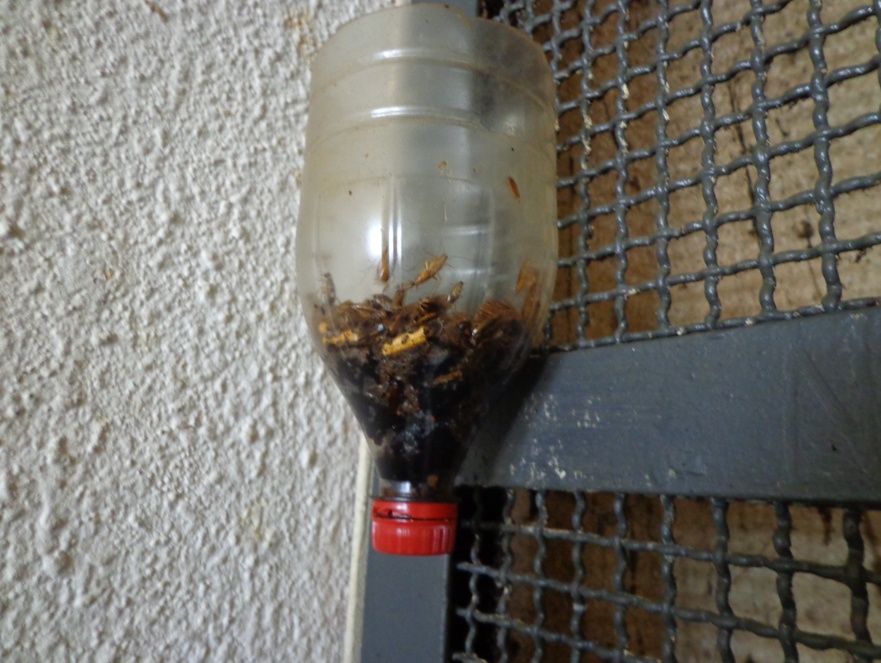
Photos 1 and 2 - showing the detention center in G. M. Dimitrov during one of the unscheduled inspections last year, showing traces of bedbug bites on the body of a detained minor and an improvised cockroach trap in another cell.
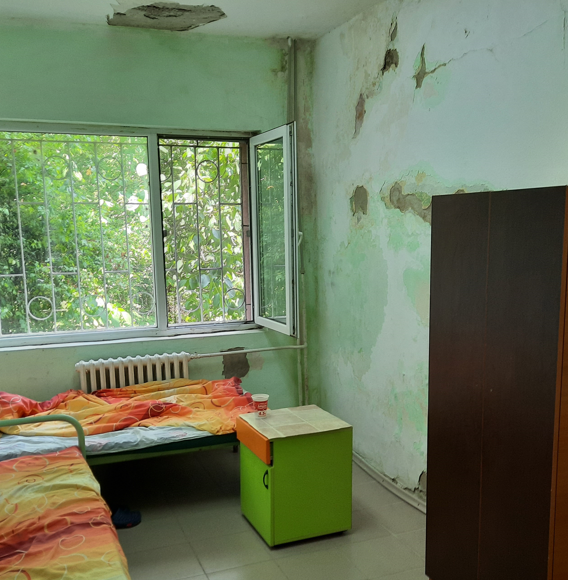
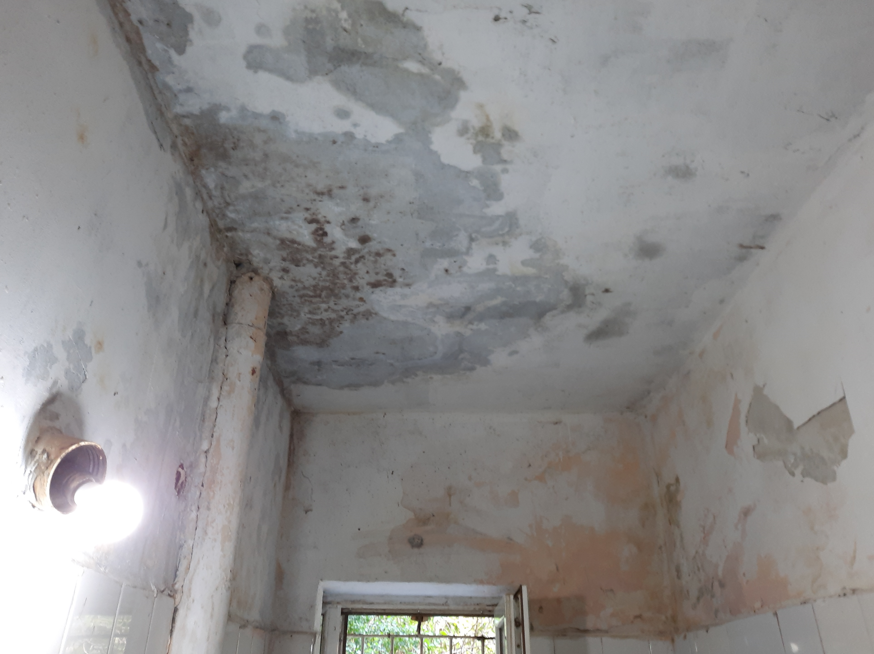
Photos 3 and 4 - showing the conditions in Karvuna state psychiatric hospital.
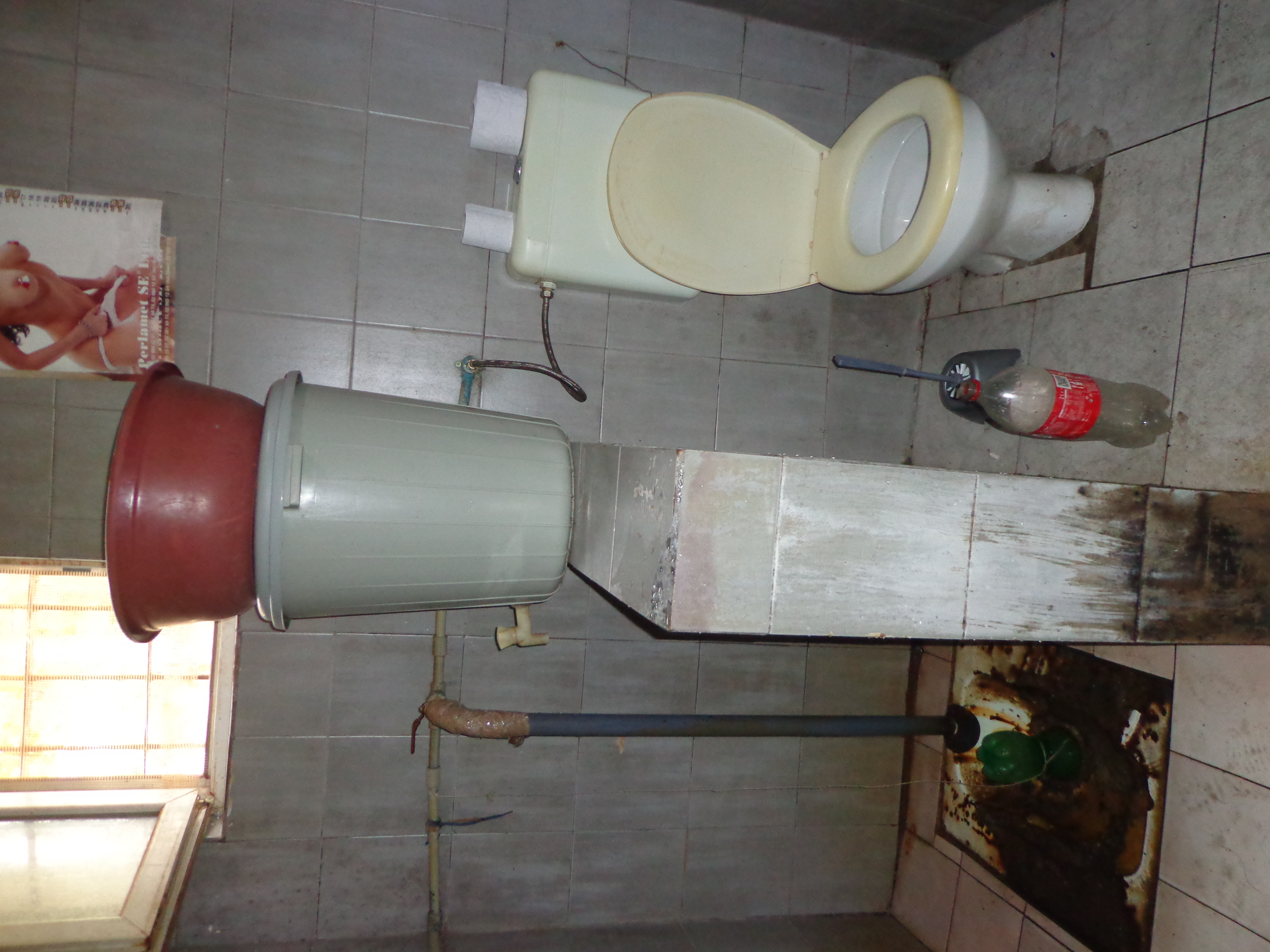
Photos 5 and 6 - showing the conditions in Kremikovtsi prison facility.
OMBUDSMAN'S RECEPTION-ROOM
- address: 22 George Washington str.,
1202, Sofia - phone: (+359 2) 810 6955; fax: (+359 2) 810 6963
- e-mail: priemna@ombudsman.bg
PRESS CENTER OF THE OMBUDSMAN
- phone: (+359 2) 810 6913
- e-mail: press@ombudsman.bg