News
Ombudsman: Illegal filming of women in beauty salons is a serious violation of dignity and privacy
3 February 2026
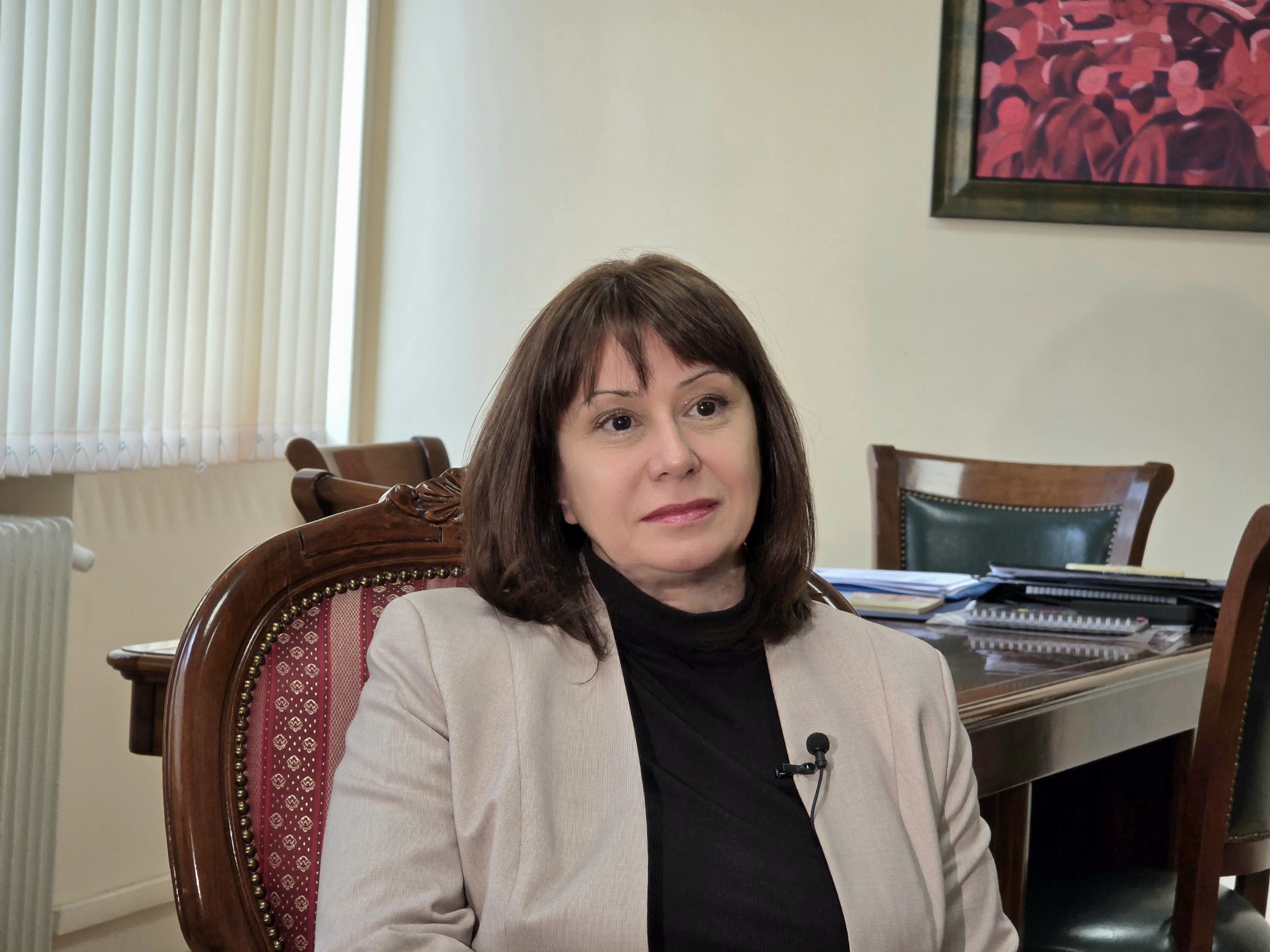
Ombudsman Velislava Delcheva issued a statement regarding the revealed cases of illegal video recording of women during cosmetic procedures in salons in the cities of Burgas and Kazanlak, where hidden cameras were used in rooms for personal procedures. According to information in the public domain, the recordings have been distributed on the internet for years, including through paid access platforms and social media channels.
"This act constitutes a flagrant violation of the right to privacy, human dignity, and security," Velislava Delcheva is adamant.
She emphasizes that such actions constitute a serious form of online violence and should not be viewed as isolated incidents, but as part of a growing and systematic practice of illegally collecting, processing, and disseminating intimate personal data.
In this regard, she addressed the ministers of interior, health, justice, and the Commission for Personal Data Protection (CPDP) with specific requests: to develop a comprehensive national policy for the prevention and restriction of illegal video recording and dissemination of personal data; the CPDP to implement a special information campaign to raise public awareness of the risks, rules, and rights related to video surveillance in sensitive locations; all efforts should be made to transpose Directive (EU) 2024/1385, which criminalizes the distribution of intimate images and video material without the consent of the person concerned, in a timely and effective manner.
Velislava Delcheva also states that she will continue to actively monitor developments in the case and insist on coordinated institutional action, legislative changes, and effective protection for victims of online violence, with the aim of guaranteeing the life, security, dignity, and fundamental rights of citizens.
She is adamant that illegal video surveillance in premises where people are unclothed has no legal basis and is contrary to the Constitution of the Republic of Bulgaria, the Charter of Fundamental Rights of the European Union, and the General Data Protection Regulation (EU) 2016/679. Particularly alarming is the data on persons under the age of 18 who have been filmed, which requires increased institutional sensitivity, swift action, and the application of all available mechanisms to protect and support the victims.
The Ombudsman draws attention to the fact that the current regulatory framework, including Ordinance No. 15 on hygiene requirements for barbershops, hairdressing and beauty salons, is outdated and does not meet modern standards for the protection of personal dignity, privacy, and the necessary discretion in the provision of cosmetic services.
According to the Ombudsman, there is also a lack of systematic preventive control over the use of video surveillance in places where citizens are in a vulnerable position.
OMBUDSMAN'S RECEPTION-ROOM
- address: 22 George Washington str.,
1202, Sofia - phone: (+359 2) 810 6955; fax: (+359 2) 810 6963
- e-mail: priemna@ombudsman.bg
PRESS CENTER OF THE OMBUDSMAN
- phone: (+359 2) 810 6913
- e-mail: press@ombudsman.bg