News
The Ombudsman endorsed Pernik’s bid to become the European Youth Capital in 2029
14 July 2026
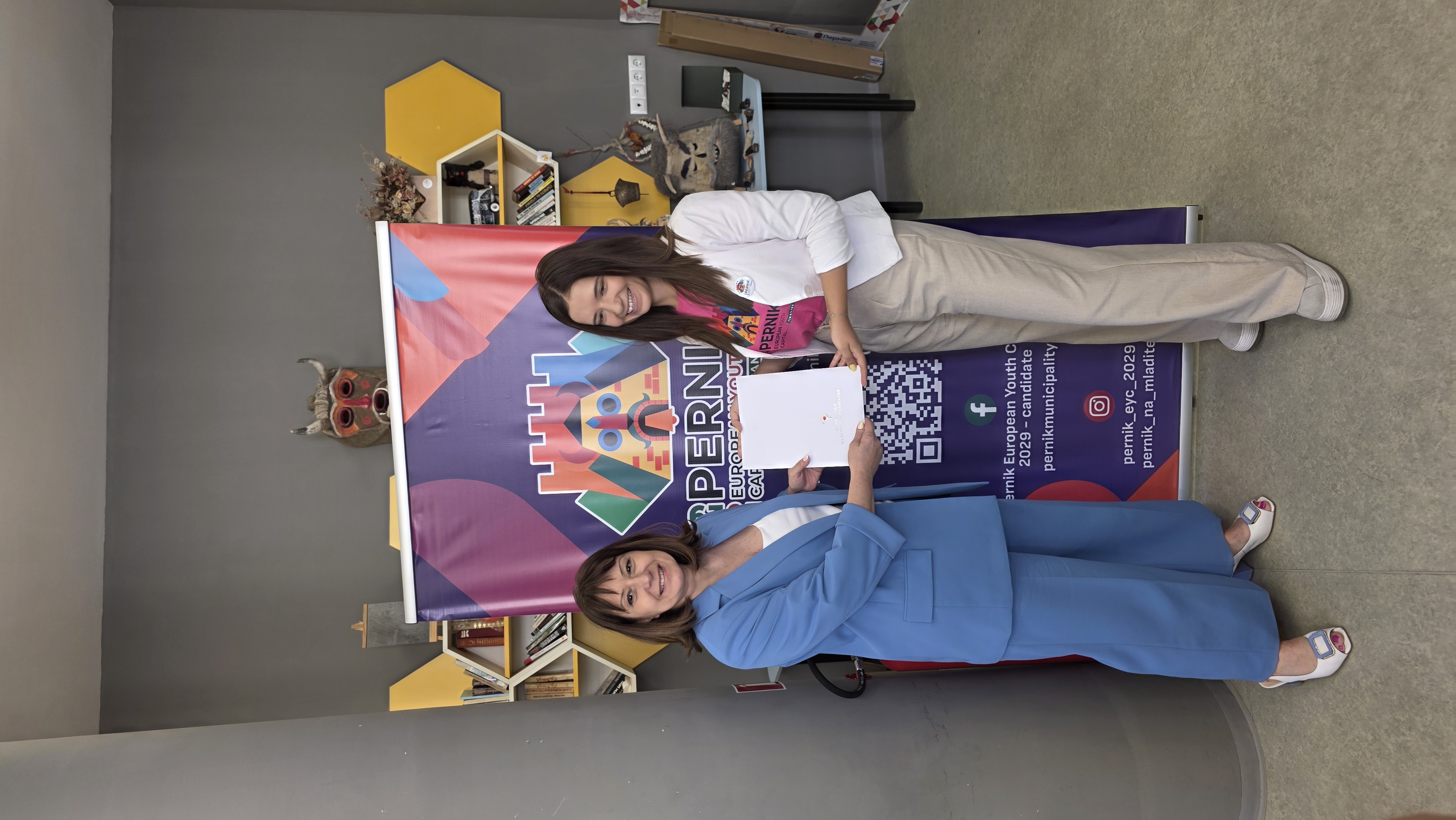
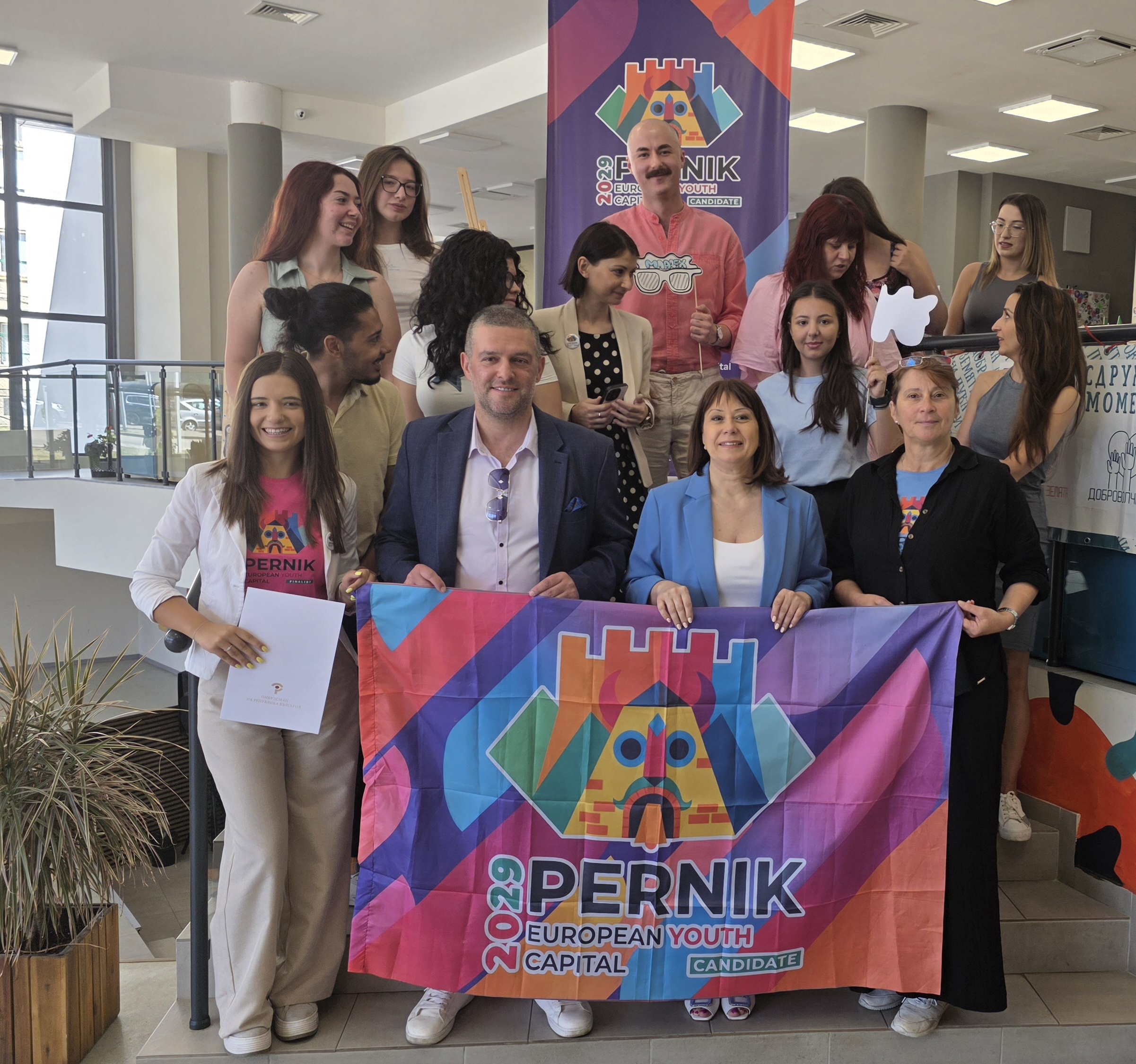
Ombudswoman Velislava Delcheva met with young people at the International Youth Center in Pernik, where she expressed her support for the city’s bid to become the European Youth Capital in 2029 and learned about the center’s activities.
“The ‘European Youth Capital’ initiative is an important opportunity to place the rights, participation, and well-being of young people at the forefront of not only local but also European development. Pernik’s candidacy demonstrates a clear commitment to empowering young people as active citizens and equal partners in shaping the future of their community,” the Ombudsman emphasised.
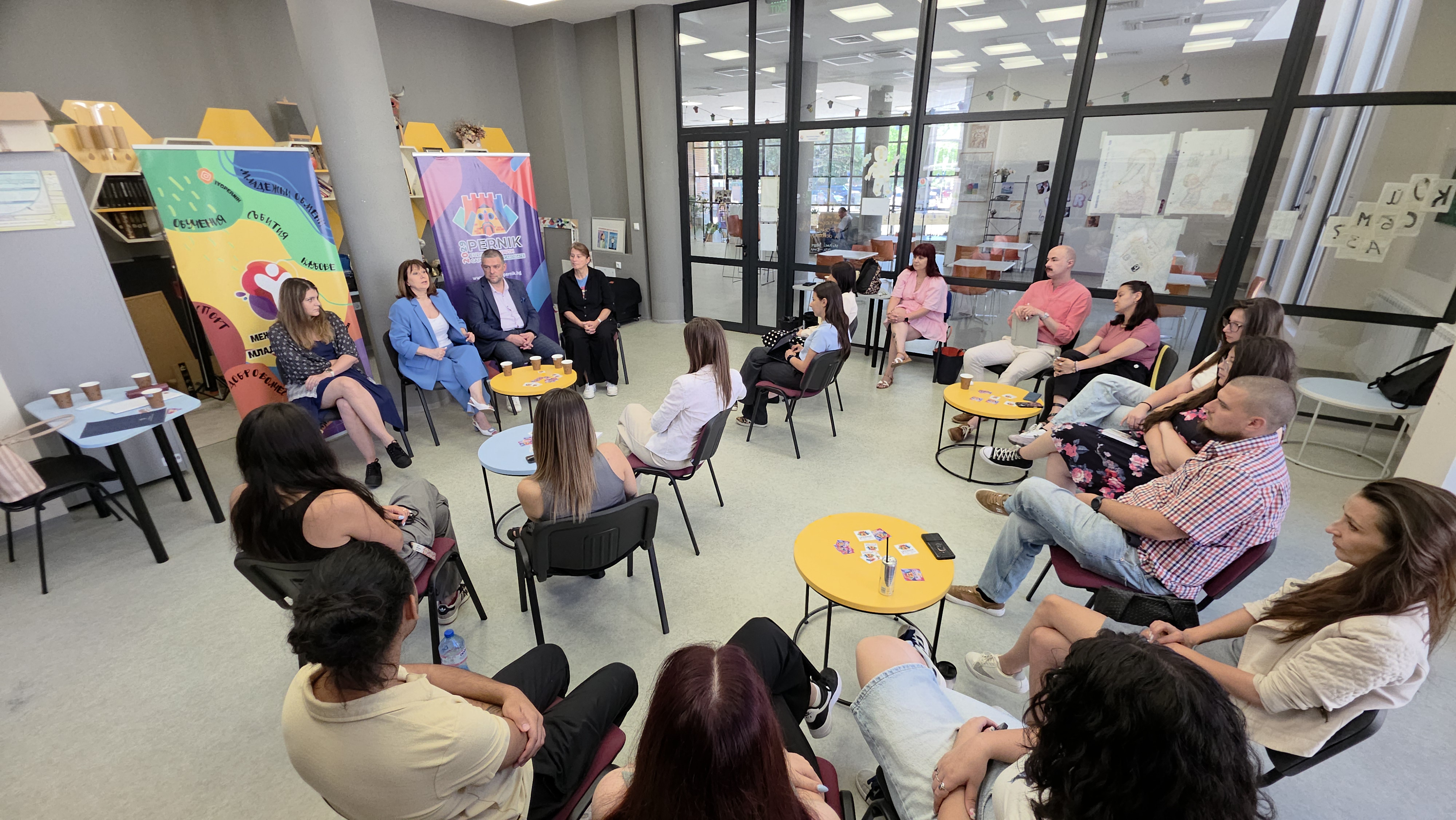
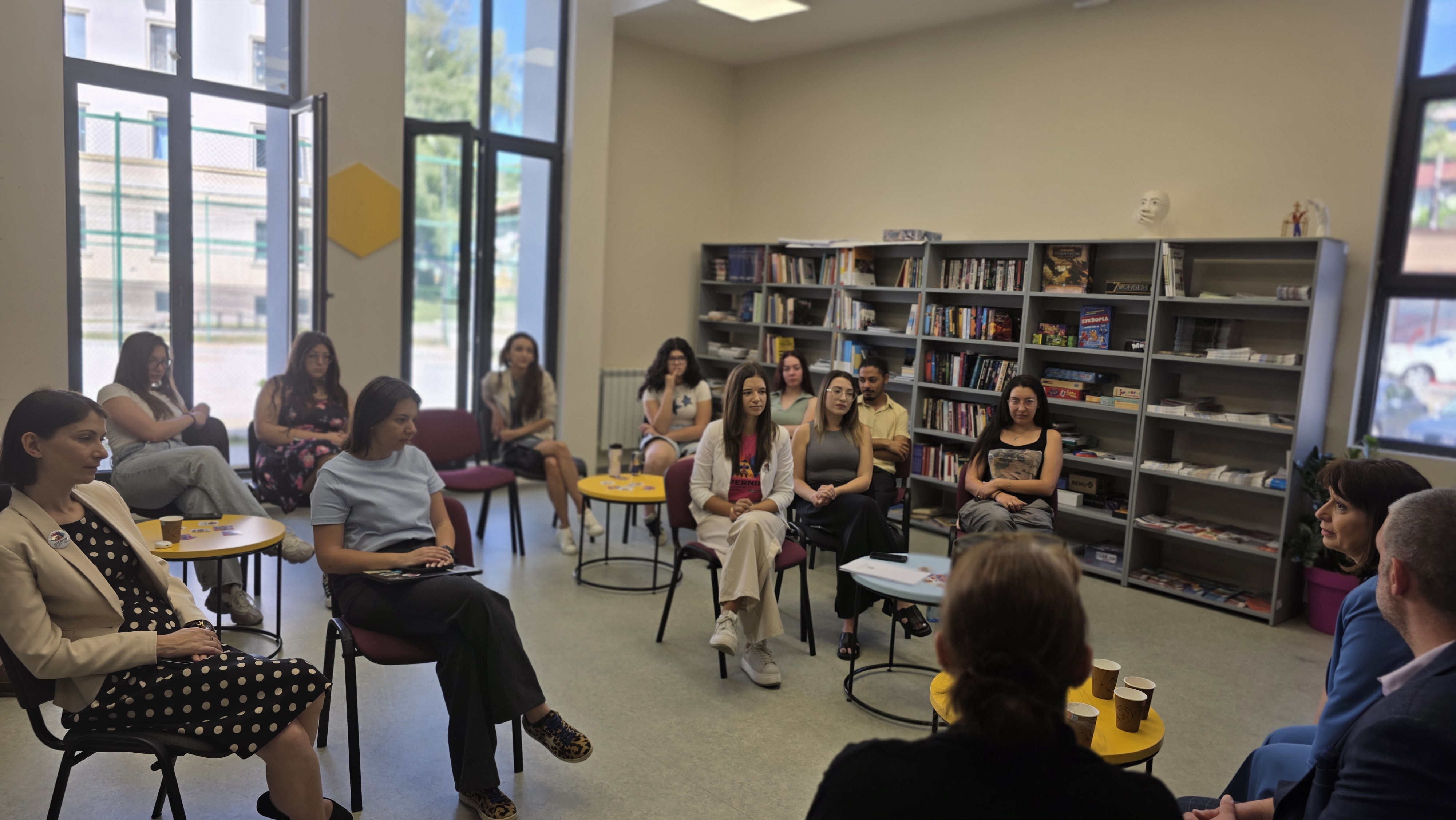
During her visit, Delcheva held a discussion with young people, students, and volunteers on the topics of active citizenship, rights and responsibilities, leadership, and opportunities for participation in public life.
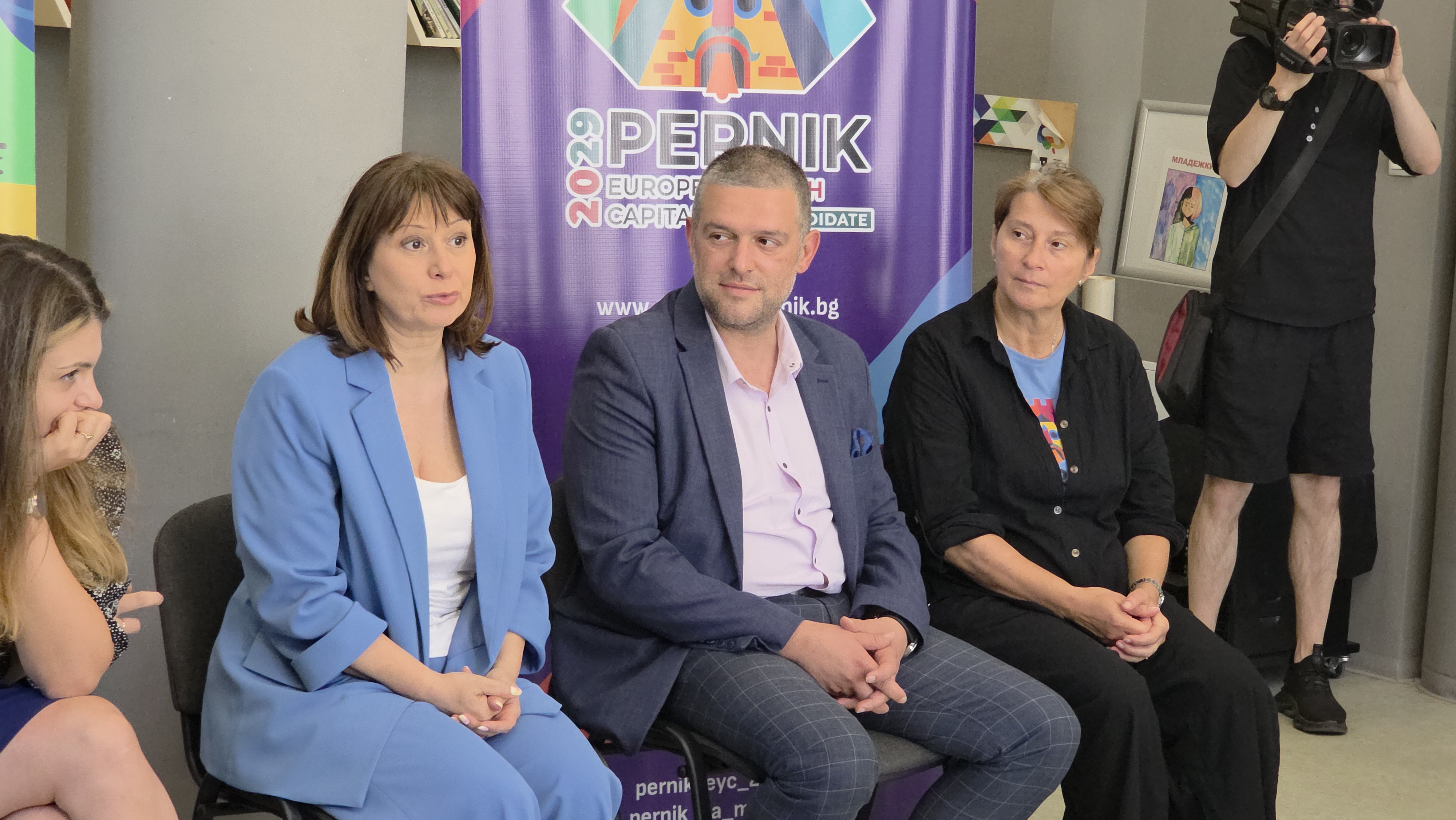
Also participating in the meeting were Stefan Krastev, Deputy Mayor of the municipality of Pernik, and Radost Radanova, Director of the International Youth Center.
Right at the outset, Delcheva stressed that dialogue with young people was one of the institution’s top priorities and an integral part of their efforts to promote civic participation and foster a sense of justice.
During the discussion, participants shared what changes they would like to see in their community and discussed how they could actively contribute to making those changes a reality.
In response to a question from Deputy Mayor Krastev about what the Ombudsman’s “superpower” is, Delcheva replied with a smile that it was the “rose-coloured glasses” she never took off, as well as her conviction that every cause had to be approached with perseverance and determination.
“It’s very rare for someone to discourage me so much that I give up. It has happened to me, but only when I was convinced that there was no point in continuing. I don’t give up just because it’s hard,” she said.
During the meeting, the idea was also raised that youth advisory centers across the country could serve as ambassadors for the Ombudsman’s Institution by visiting schools and talking with their peers about citizens’ rights, personal responsibility, and active participation in public life.
“We all have rights, but they end where the rights of others begin. Along with our rights, we also have duties and responsibilities. Unfortunately, as a society, we often insist on our rights but don’t like to follow the rules. That is precisely why it’s important for me to talk with you, and for you to talk with your peers. Only in this way can we gradually build a stronger sense of justice. When we begin to respect the rules and the rights of others, we’ll have a chance to change our society. This won’t happen today or tomorrow—it will likely take years, perhaps even generations. But we must start right now,” Delcheva pointed out.
She emphasised that active citizenship meant that every person was willing to play a part in solving the problems in their community. In her words, it is precisely through personal example, adherence to the rules, and engagement in public life that attitudes can gradually change and a stronger civic culture can be built.
According to Delcheva, children adopt the behavioral models they see around them, which is why leading by example remains the most powerful tool for fostering respect for the rules, civic responsibility, and an active civic stance.
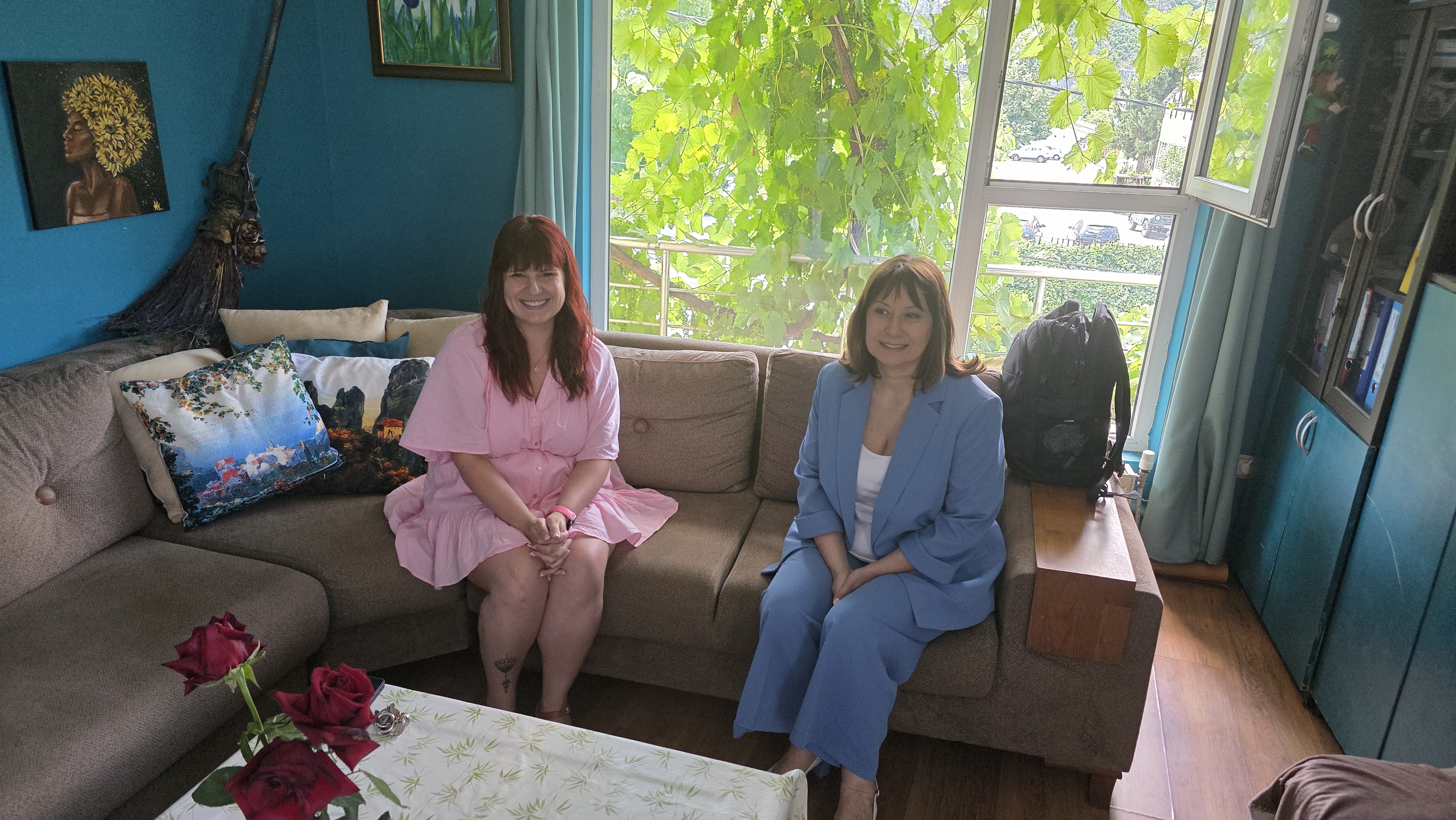
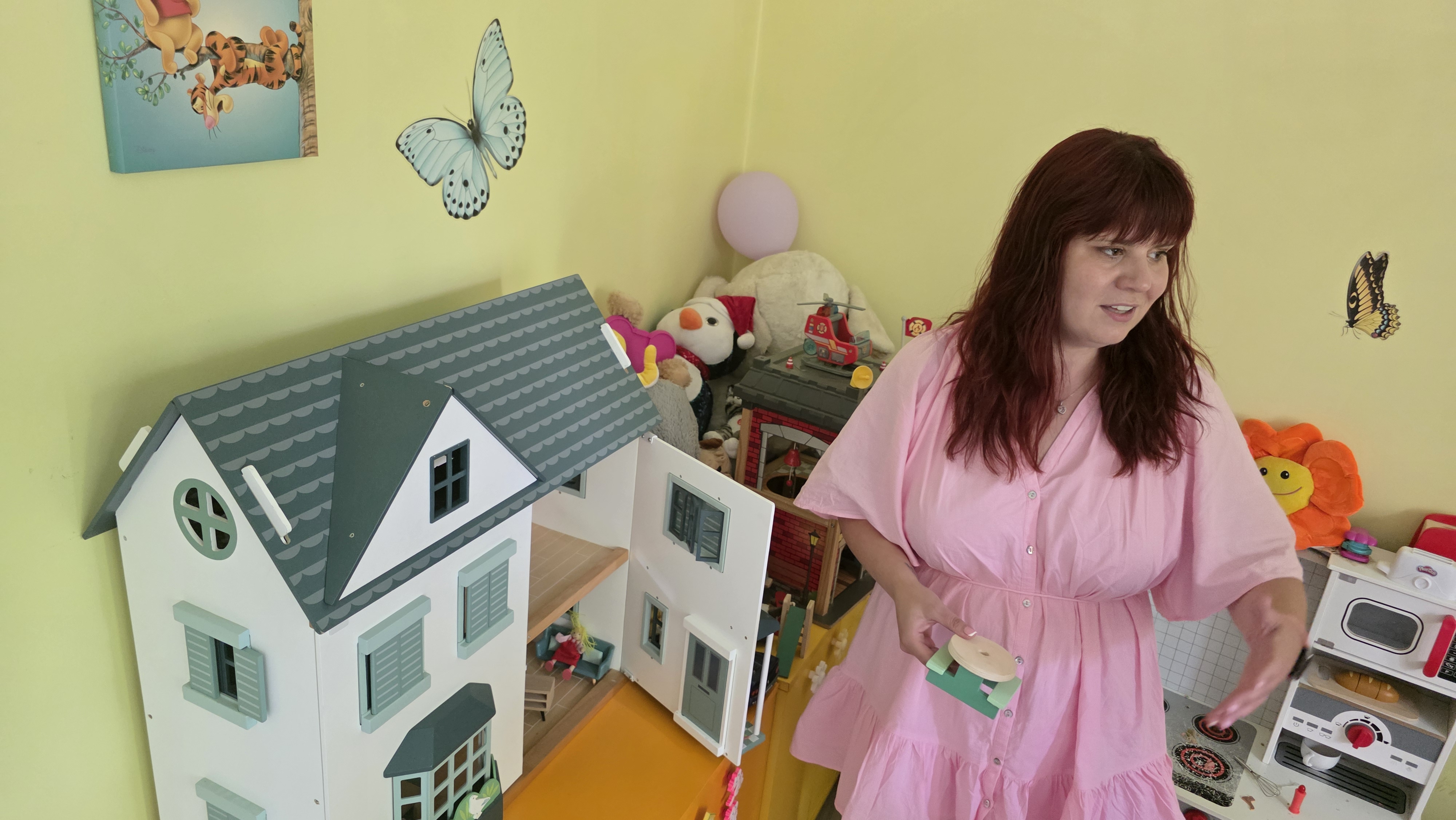
Later that day, the Ombudsman visited the PULS Foundation in Pernik, where she met with the organisation’s team. During the meeting, they discussed challenges faced by victims of domestic violence, the protection of their rights, and the need for effective support and good cooperation among institutions. Special attention was also given to the issue of children in conflict with the law, the need for early prevention, support for families, and the development of services to facilitate their successful social integration.
OMBUDSMAN'S RECEPTION-ROOM
- address: 22 George Washington str.,
1202, Sofia - phone: (+359 2) 810 6955; fax: (+359 2) 810 6963
- e-mail: priemna@ombudsman.bg
PRESS CENTER OF THE OMBUDSMAN
- phone: (+359 2) 810 6913
- e-mail: press@ombudsman.bg