News
The Ombudsman insists on a fair decision regarding seasonal motorcycle insurance
16 June 2026
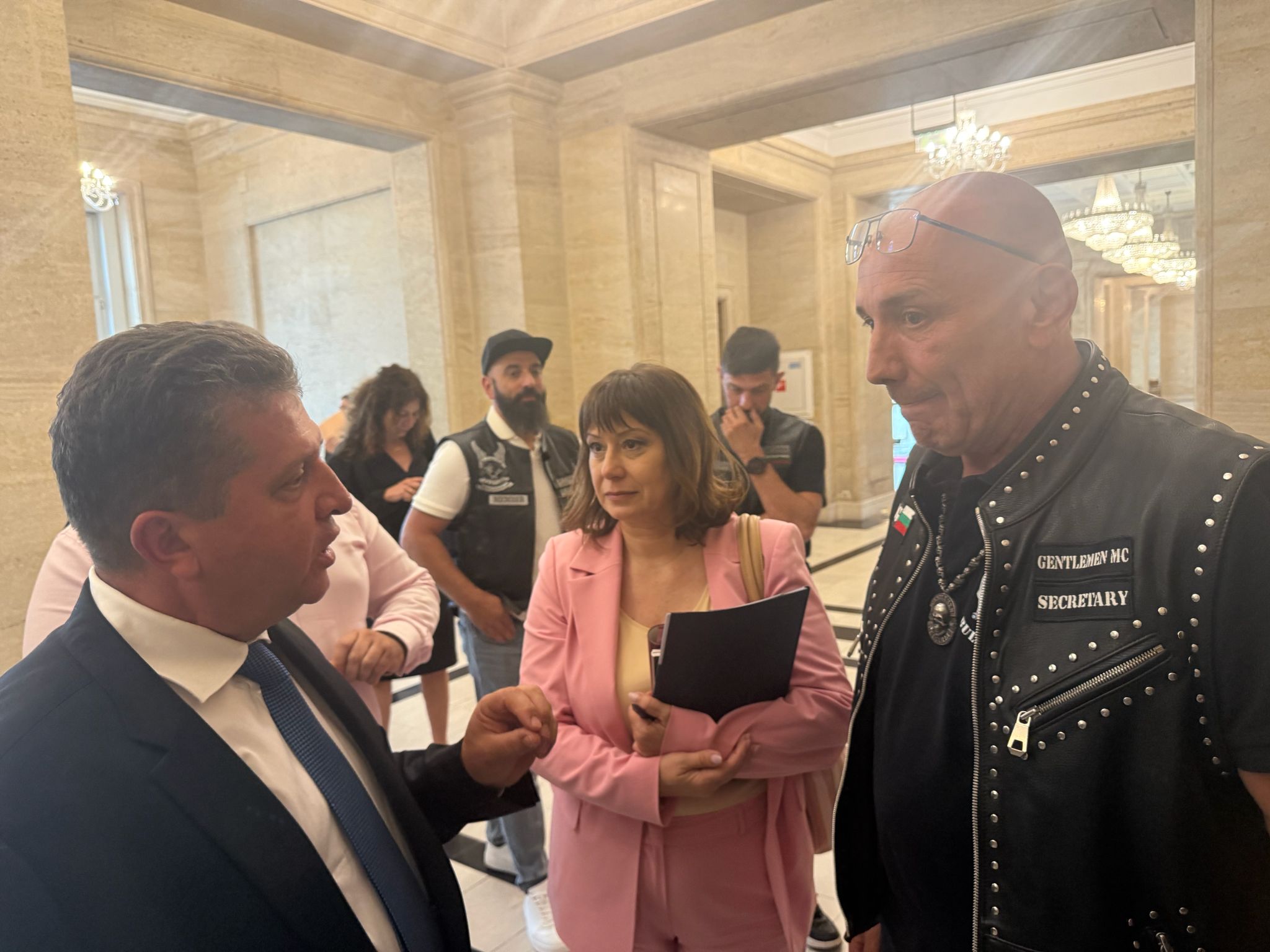
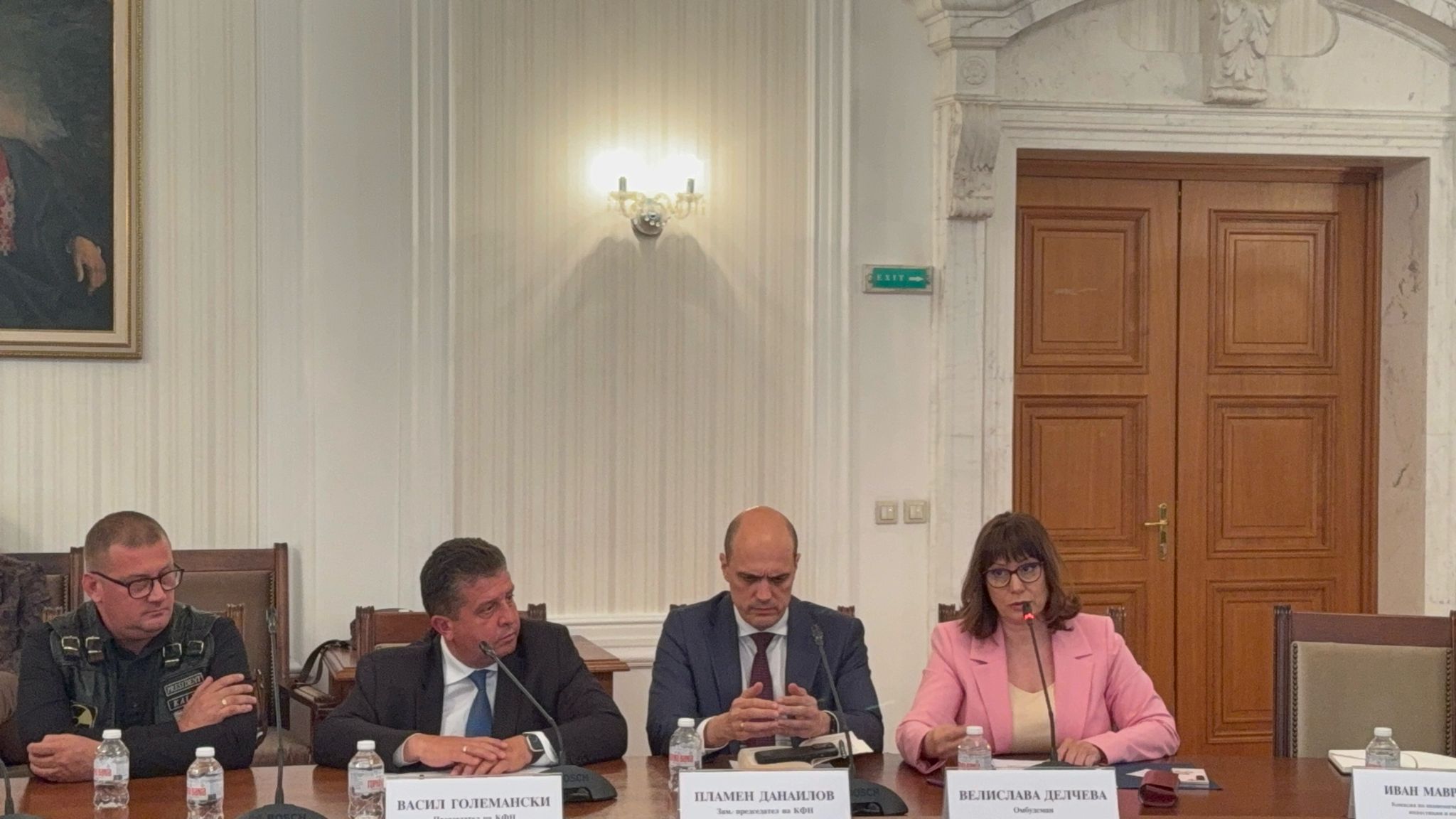
Ombudsman Velislava Delcheva participated today in a meeting of the Parliamentary Committee on Economic Policy, Innovation, and Industry to hear from all stakeholders regarding the increase in mandatory civil liability insurance for motorcyclists.
In her statement, she stressed the need for a balance between the interests of motorcycle owners and the insurance sector, as well as for greater transparency in the setting of insurance premiums.
“I believe it is important to fairly structure seasonal or term ‘Civil Liability’ insurance, such that, for example, a higher premium is paid during the active season, while insurance during the inactive season is offered at a lower price,” said the Ombudsman.
Delcheva noted that although the Financial Supervision Commission had provided information on the reasons for the price increase, a large part of motorcyclists’ concerns stemmed from the lack of prior explanations from the insurance companies. According to her, the Ombudsman Institution has received numerous complaints, and the actual reported increase in insurance prices for motorcyclists ranges between 60 and 80 per cent.
The Ombudsman also highlighted the issue of deferred insurance payments. In her view, solutions must be sought that allow citizens to fulfill their obligations without being put at risk of violations, while also safeguarding the interests of insurers.
To support the need for change, she cited best European practices that allowed for a fairer determination of insurance premiums based on the actual use of vehicles. In Germany, for example, there is seasonal registration for certain months of the year, and insurance is tied to that period; outside of that period, the vehicle cannot be driven. In the Netherlands, during the winter season, insurance covers only risks such as theft and fire, but not driving on public roads. In Italy, there is an option to temporarily “freeze” insurance coverage for a period ranging from 30 days to 10 months; during this time, the vehicle may not be driven on public roads. In Switzerland, there are two approaches: temporarily returning the registration plates, which automatically suspends the insurance policy, or maintaining the registration in exchange for a reduced annual premium and the option to use the vehicle under appropriate conditions.
According to the Ombudsman, these examples show that it is possible to find effective mechanisms that simultaneously protect the public interest, guarantee insurance coverage, and take into account the specific characteristics of the use of motorcycles and other Category L vehicles.
Lawmakers agreed on the idea of legislative changes that would provide for short-term (seasonal) insurance.
OMBUDSMAN'S RECEPTION-ROOM
- address: 22 George Washington str.,
1202, Sofia - phone: (+359 2) 810 6955; fax: (+359 2) 810 6963
- e-mail: priemna@ombudsman.bg
PRESS CENTER OF THE OMBUDSMAN
- phone: (+359 2) 810 6913
- e-mail: press@ombudsman.bg