News
The Ombudsman insists that the Energy and Water Regulatory Commission reconsider the increase in prices for water and sewerage services
2 December 2025
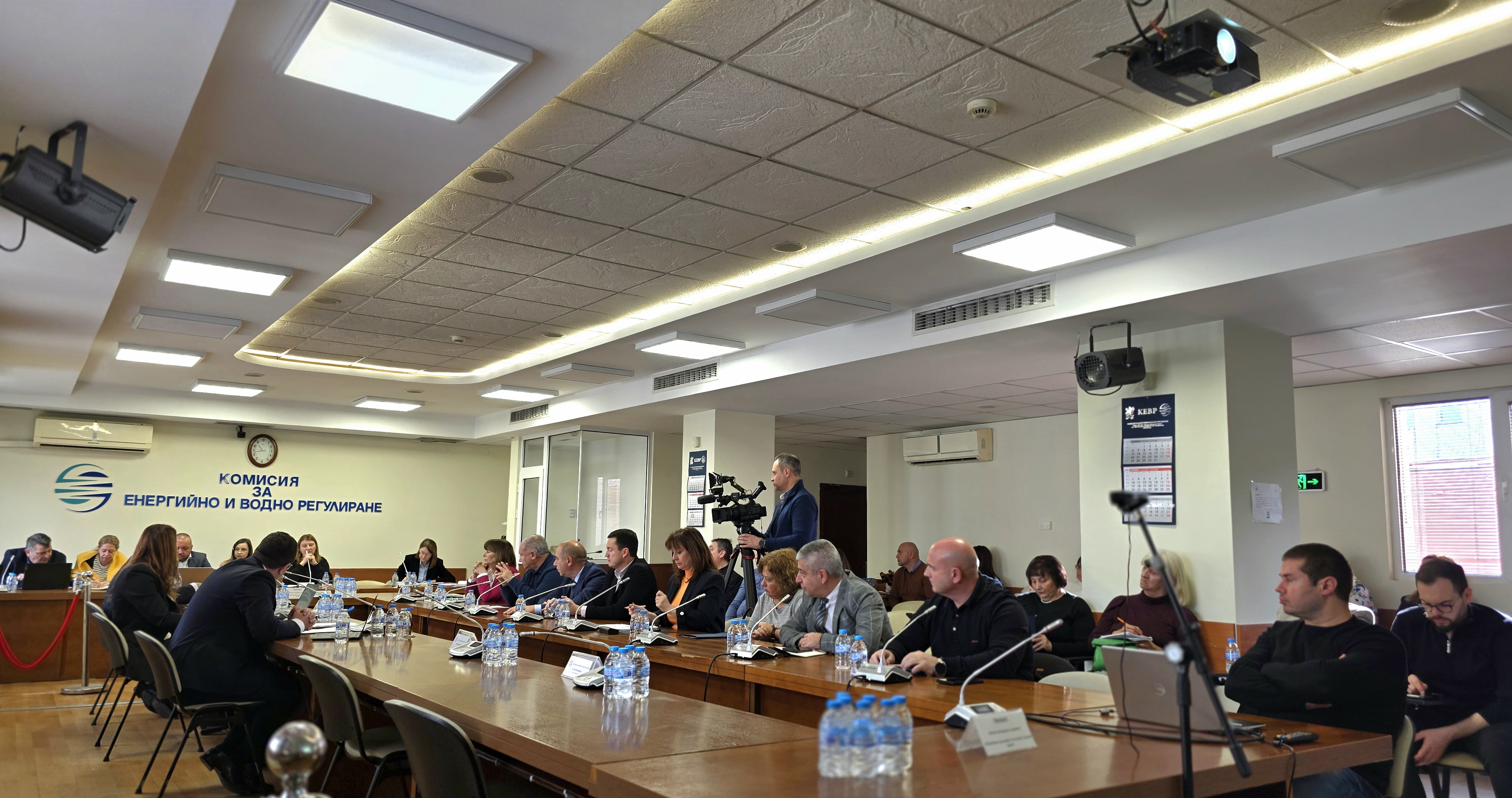
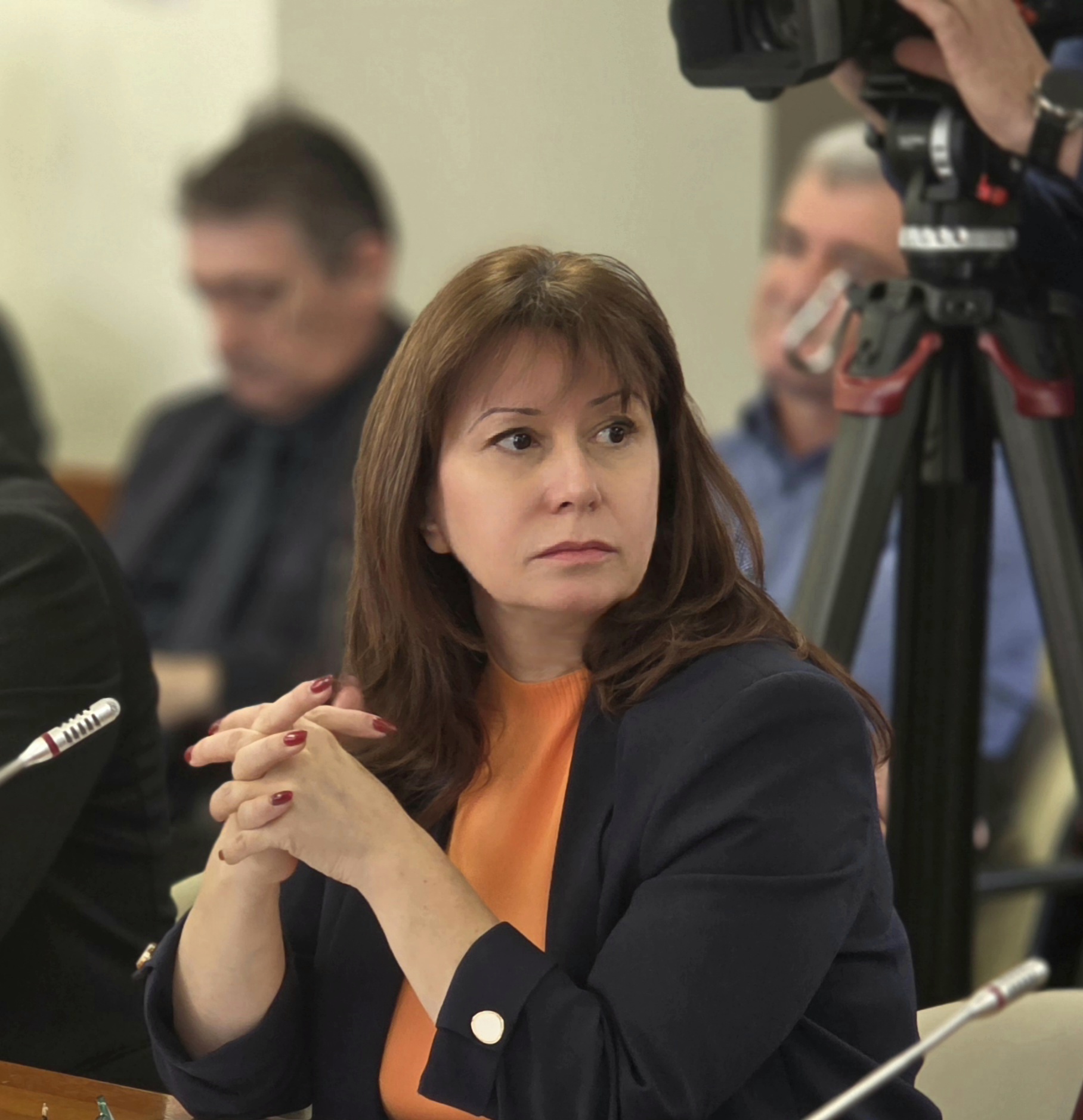
There has been no improvement in quality, but water prices continue to rise – this is unacceptable. Ombudsman Velislava Delcheva addressed the Energy and Water Regulatory Commission (EWRC) with this position during the public discussion of the Report and Draft Amendment to the approved prices of water and sewerage services for 2026.
Velislava Delcheva is adamant that the regulator must review the latest price increase, as despite increases of over 72% since 2020, the quality of the service has not improved.
She insists on a comprehensive expert analysis of the pricing model in the context of the new regulatory period and the draft of the new Water Supply and Sewerage Act.
The Ombudsman emphasizes that citizens in a number of towns and villages—Sliven, Omurtag, Shumen, Pleven, Veliko Tarnovo, Breznik, and many settlements in the Sofia region — have experienced severe water shortages. According to data from the Ministry of Regional Development and Public Works, more than 600,000 people were affected this summer, which makes any new increase particularly sensitive.
"Since the beginning of the year, we have received over 500 complaints at the Ombudsman Institution, more than 42% of which are related to poor quality water and sewerage services. Most of the reports come from Pernik, Pleven, Sofia region, Varna, and Dobrich," explained Delcheva.
For 2026, the largest increase is expected in Kardzhali – 13.19%, Sapareva Banya – 12.67%, Troyan – 12.03%, Blagoevgrad – 11.72%, Sofia – 9.26%, with the highest price expected in Silistra – BGN 6.42/cubic meter. These values will also increase with inflation for November.
Velislava Delcheva once again highlights the lack of public reporting data and transparency. According to her, interested parties cannot engage in a real debate if they do not have access to the methodology and information on which the calculations are based.
The Ombudsman expressed concern that nine water operators are not fulfilling their investment programmes, 32 are not meeting their performance targets, and despite more than BGN 532 million in investments, water losses remain above 60% – with no improvement since 2020. At the same time, prices have risen on average by 72.35%.
According to Delcheva, there is no convincing evidence that the new increase will lead to higher quality, better accessibility and reliability, or reduced water losses.
"I do not accept the proposed increase in water and sewerage service prices by over 2.62% on average for the country as of 1 January 2026," concludes Velislava Delcheva.
The Chairman of the Energy and Water Regulatory Commission Plamen Mladenovski for his part underlines that he understands the Ombudsman's arguments from a moral and human point of view, but the Commission must comply with the regulatory framework and that there are no regulatory instruments in place that could influence the price.
"The legislator has left us no room for discretion," said Mladenovski, adding that by 22 December 2025, the Energy and Water Regulatory Commission will issue a decision.
After the meeting, the Ombudsman told the media that the vicious circle we had been witnessing for many years must change – lack of sufficient investment, poor quality, high prices, which in turn does not lead to improvement of the service. "Whether through new legislation, which has already been submitted to the National Assembly, or by finding a new pricing mechanism, but this cannot continue," Delcheva concluded.
OMBUDSMAN'S RECEPTION-ROOM
- address: 22 George Washington str.,
1202, Sofia - phone: (+359 2) 810 6955; fax: (+359 2) 810 6963
- e-mail: priemna@ombudsman.bg
PRESS CENTER OF THE OMBUDSMAN
- phone: (+359 2) 810 6913
- e-mail: press@ombudsman.bg