News
Deputy Ombudsman: Balanced public debate on the impact of social networks on children is needed
.jpg)
20 November 2025
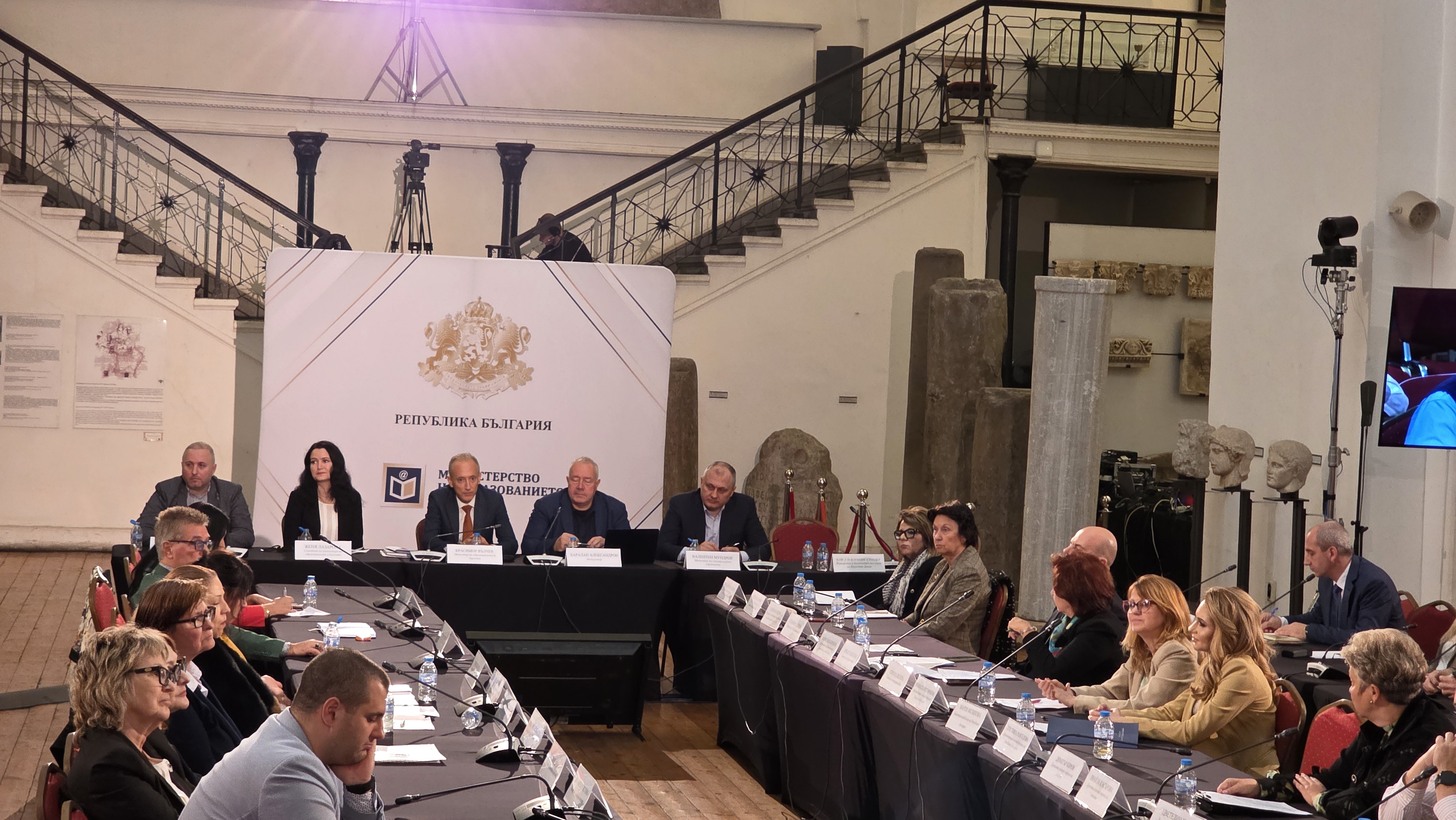
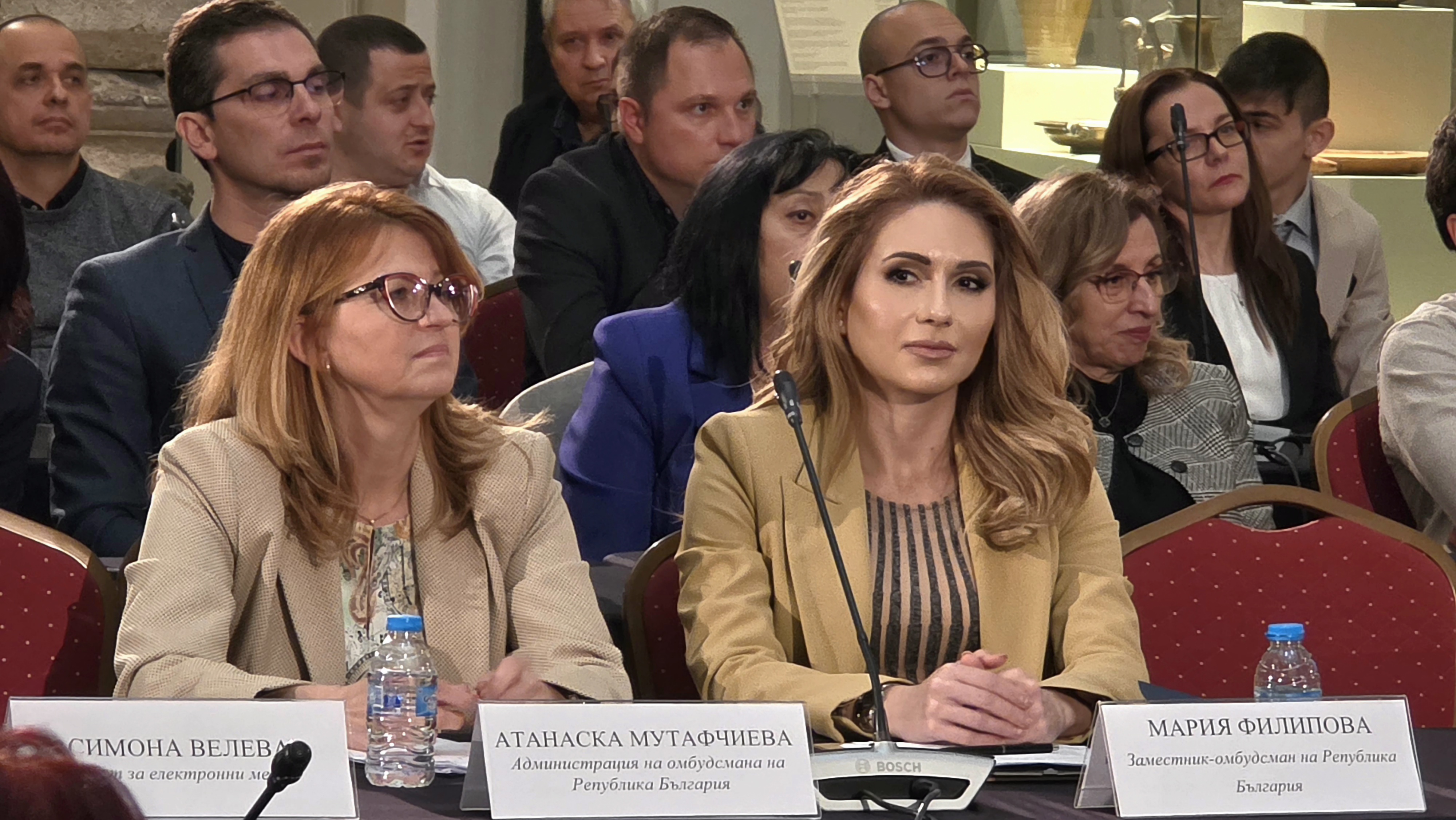
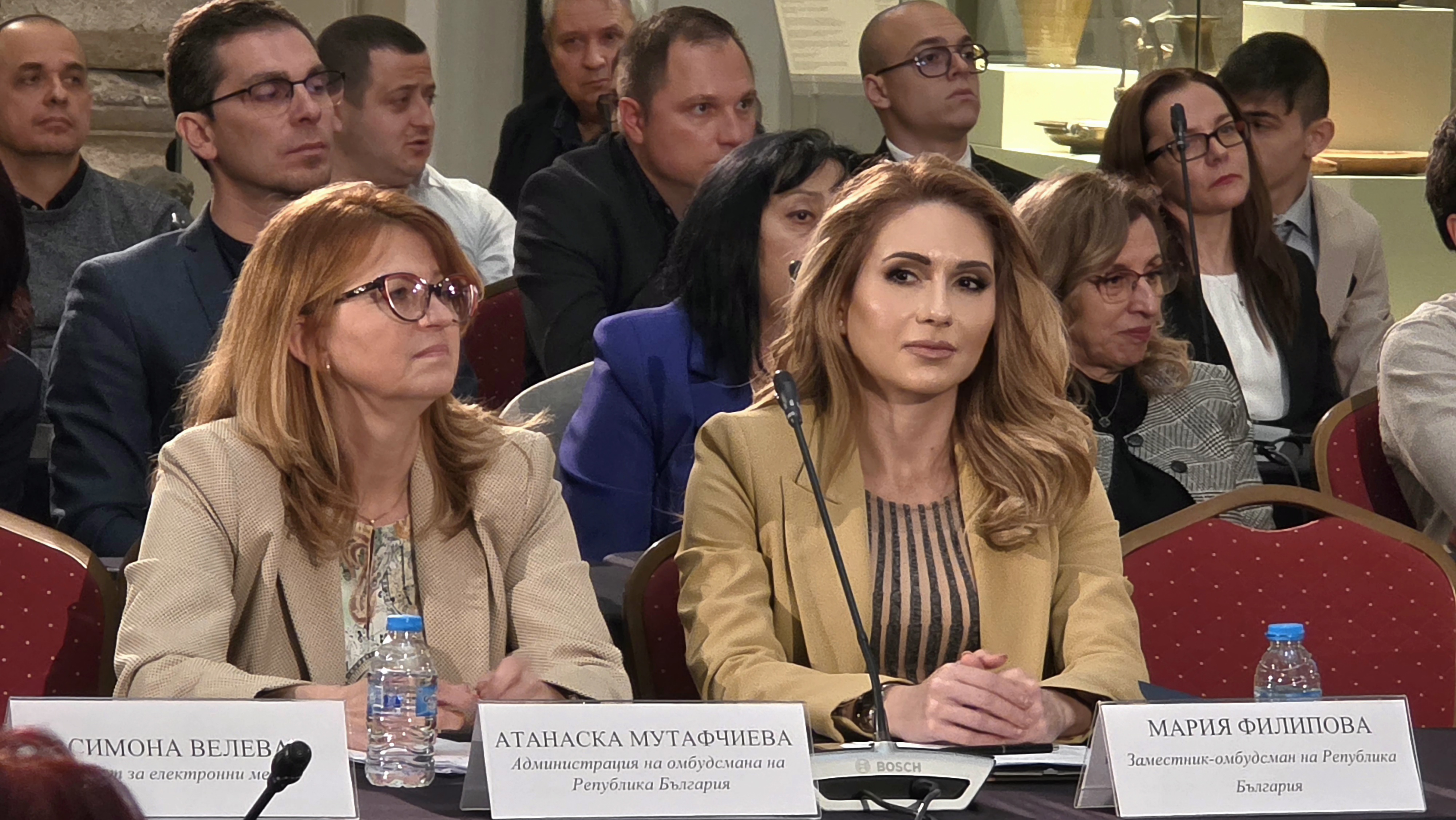
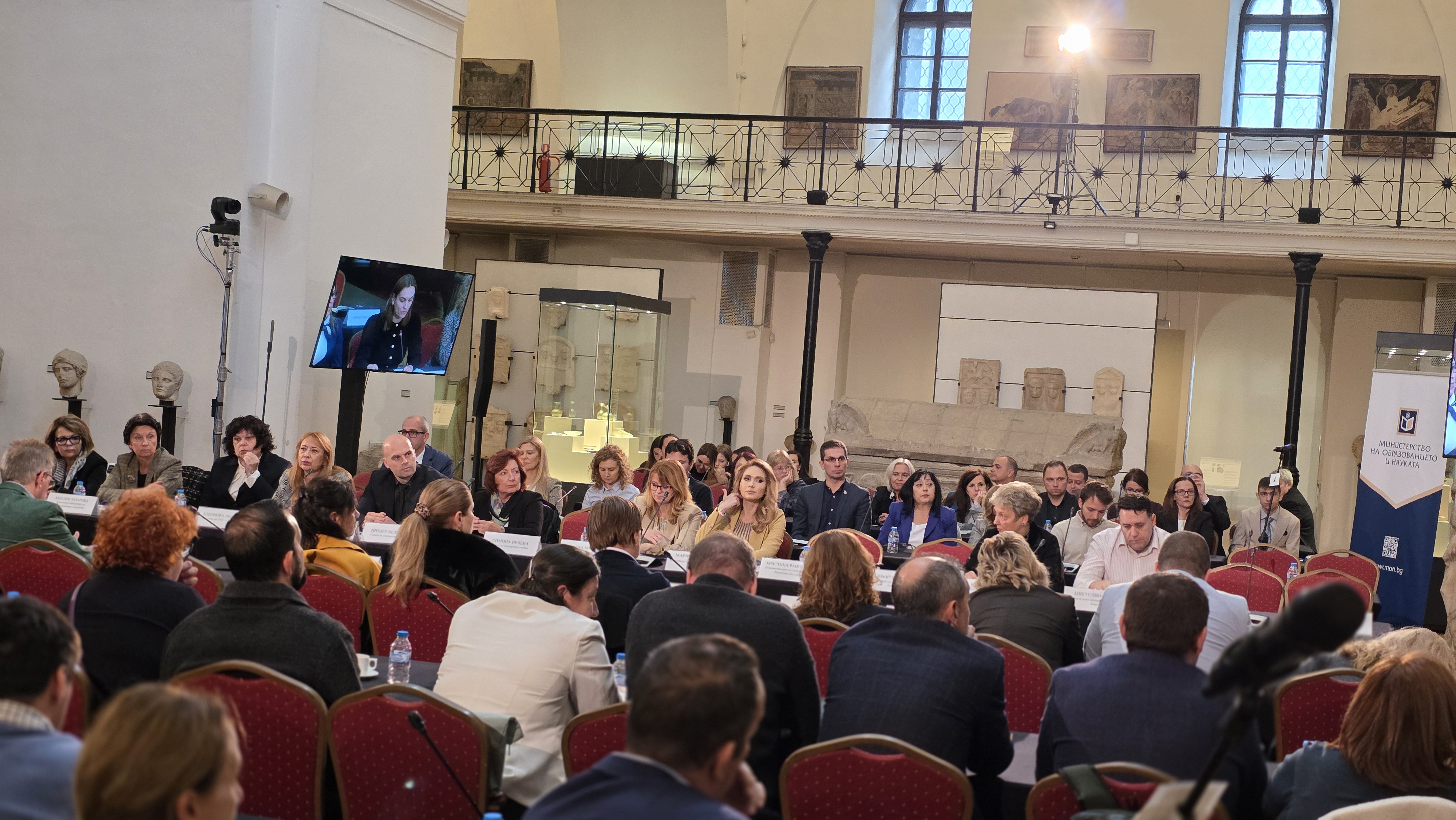
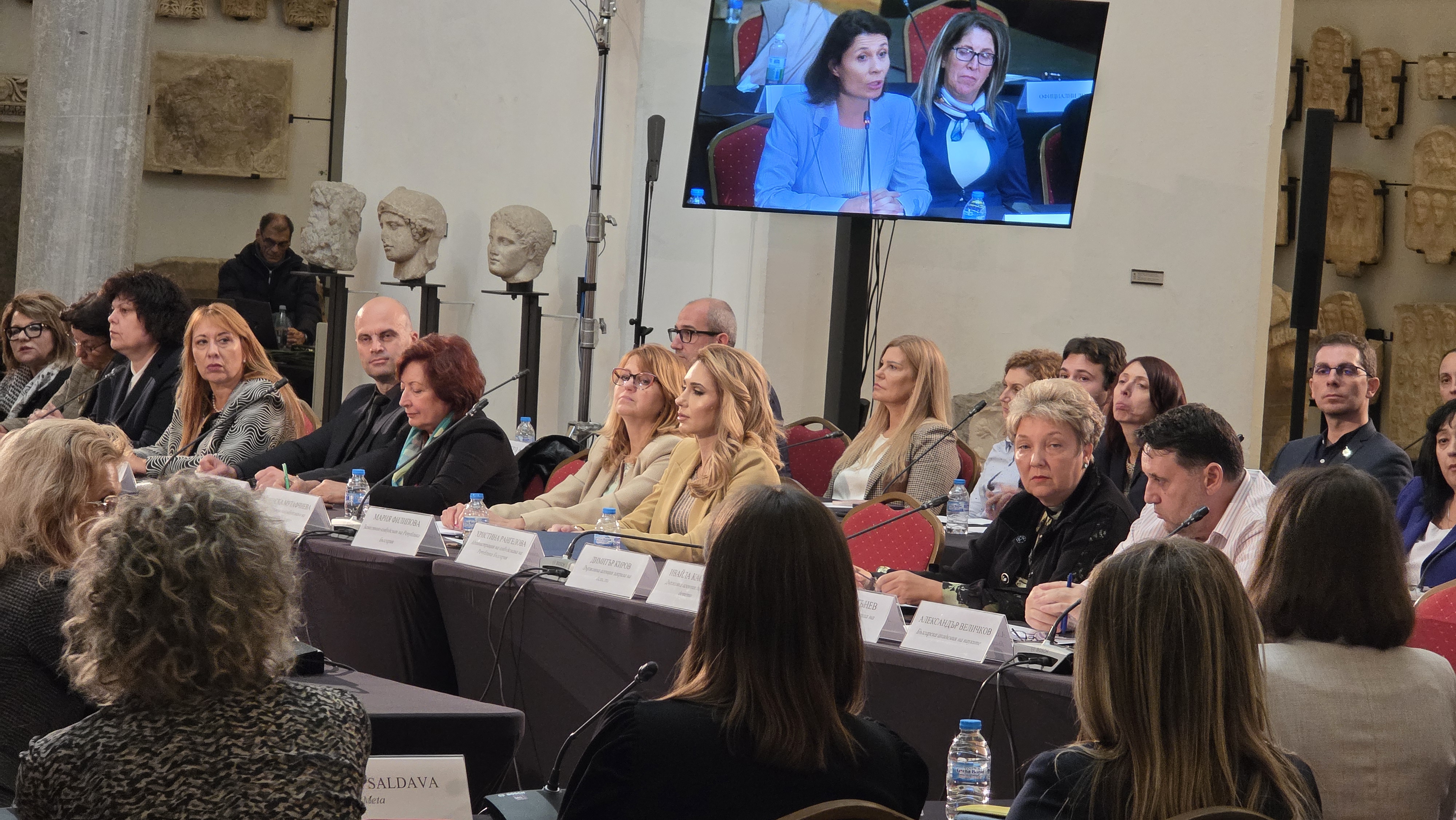
“Undoubtedly there is a need for regulations, undoubtedly there is a need to improve digital literacy not only for our children. Here we must initiate a debate to show whether there are benefits from the use of social networks for our children and for us and whether there exist harmful consequences and risks. Both questions, unfortunately, for better or for worse, are positive. And precisely because they are positive, we must correctly identify the pros and the cons and build on the self-education skills in the social groups that our children approach.” This is what Deputy Ombudsman Maria Filipova said at the round table on “Are Restrictions on Children’s Access to Social Networks Needed”. The forum was initiated by the Ministry of Education in partnership with four parliamentary committees as follows: education and science; demographic policy, children and family; healthcare; labor and social policy.
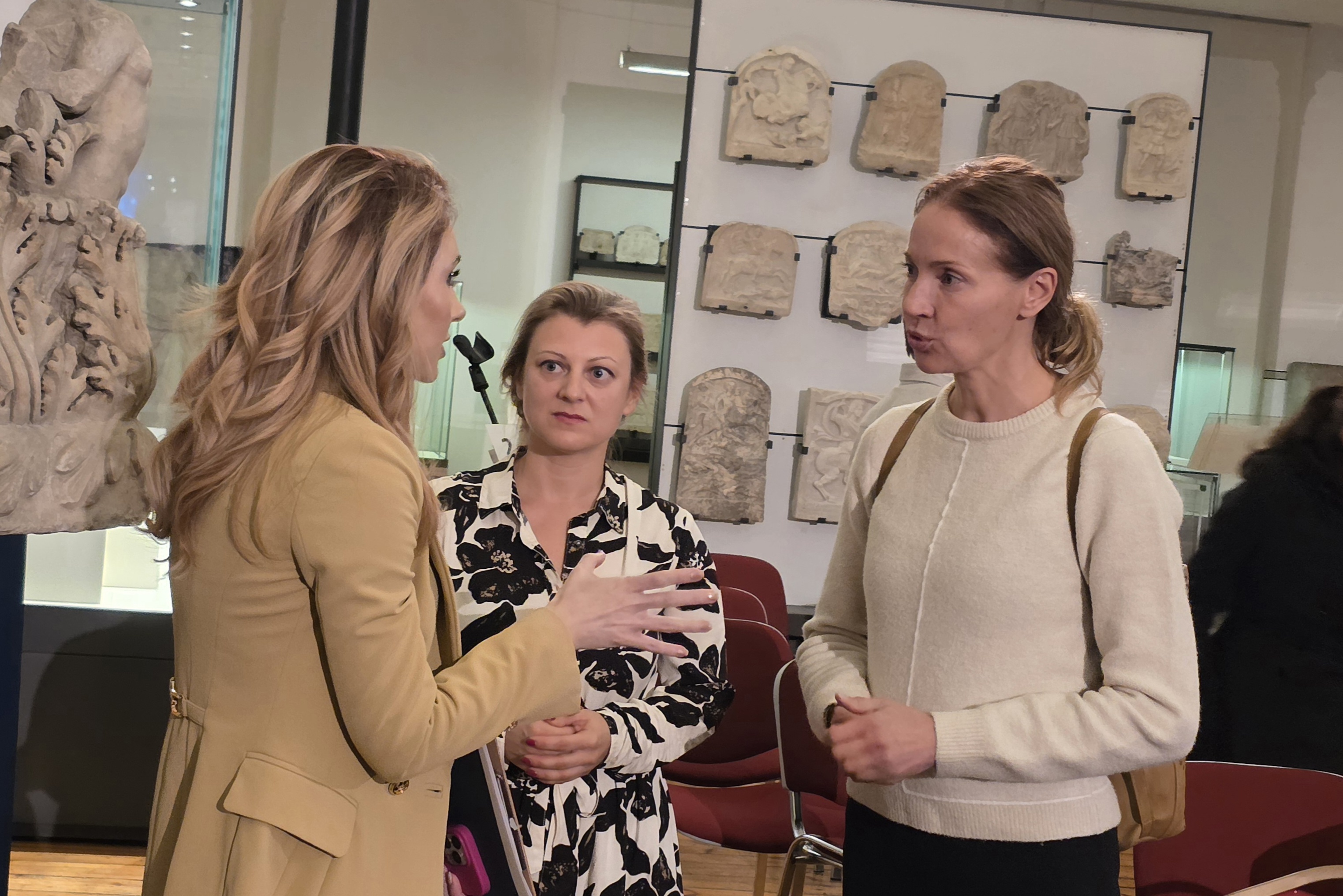
The Deputy Ombudsman called on adults to start talking openly with children, not only as experts but also as parents. As she said, there is no talk about the care for children to explain to them what personal information is – children should know that by posting their location or a photo with their family on holidays, actually they provide personal information. Further she said that gaming is a major problem leading to addiction which needs regulations accordingly.
“Let’s seek a constructive balance to realize clearly that the childhood of our children should not be the childhood that we had; it should be far better, so let’s work towards that and the Ombudsman Institution is committed to cooperate fully,” Maria Filipova concluded.
In the course of three hours, Members of Parliament, officials from institutions, media, educational experts, psychologists, school principals, teachers, NGOs, scientists and university lecturers discussed the impact of social networks on children and pupils – on their habits, education, communication and safety online and the possibilities for their regulation.
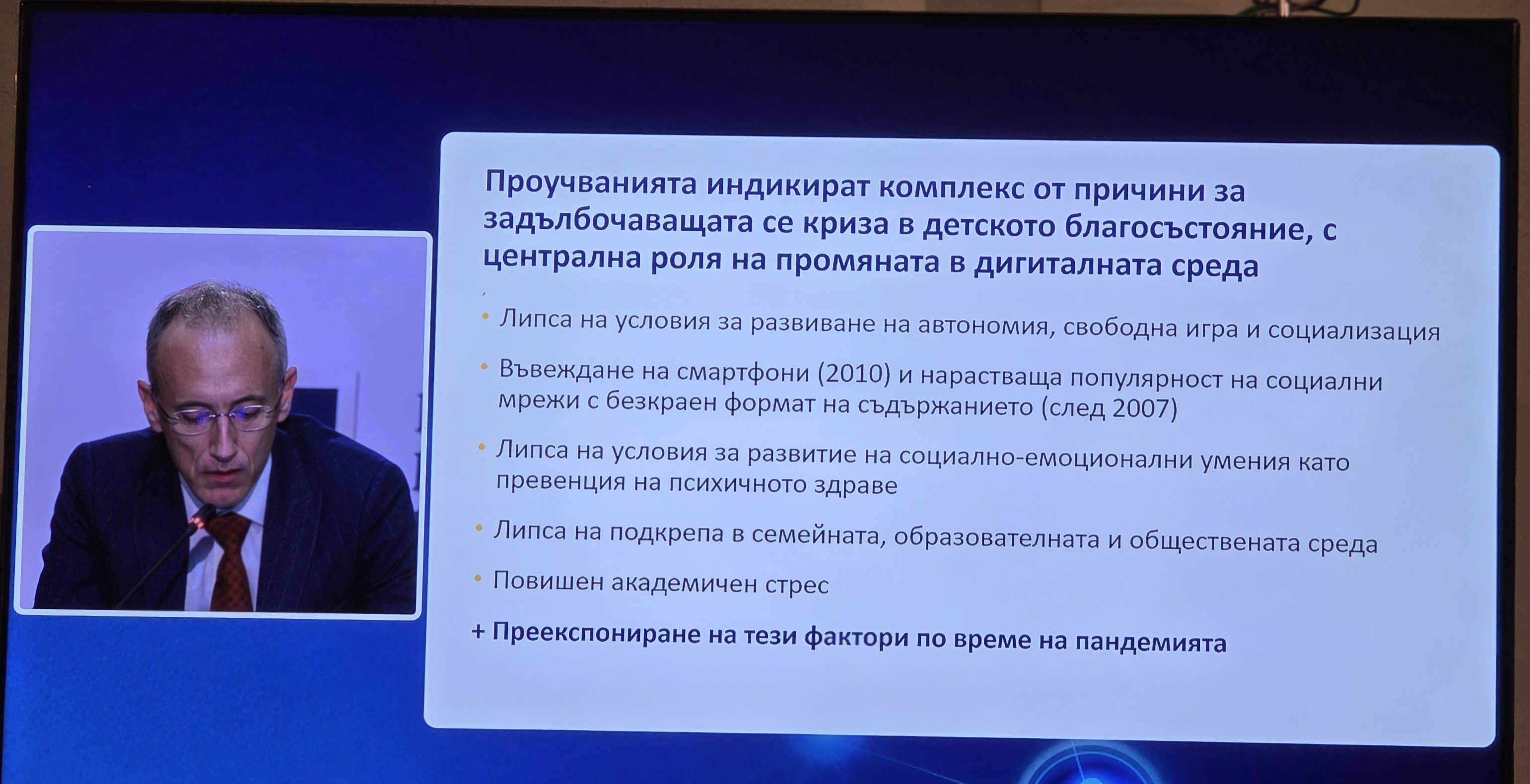
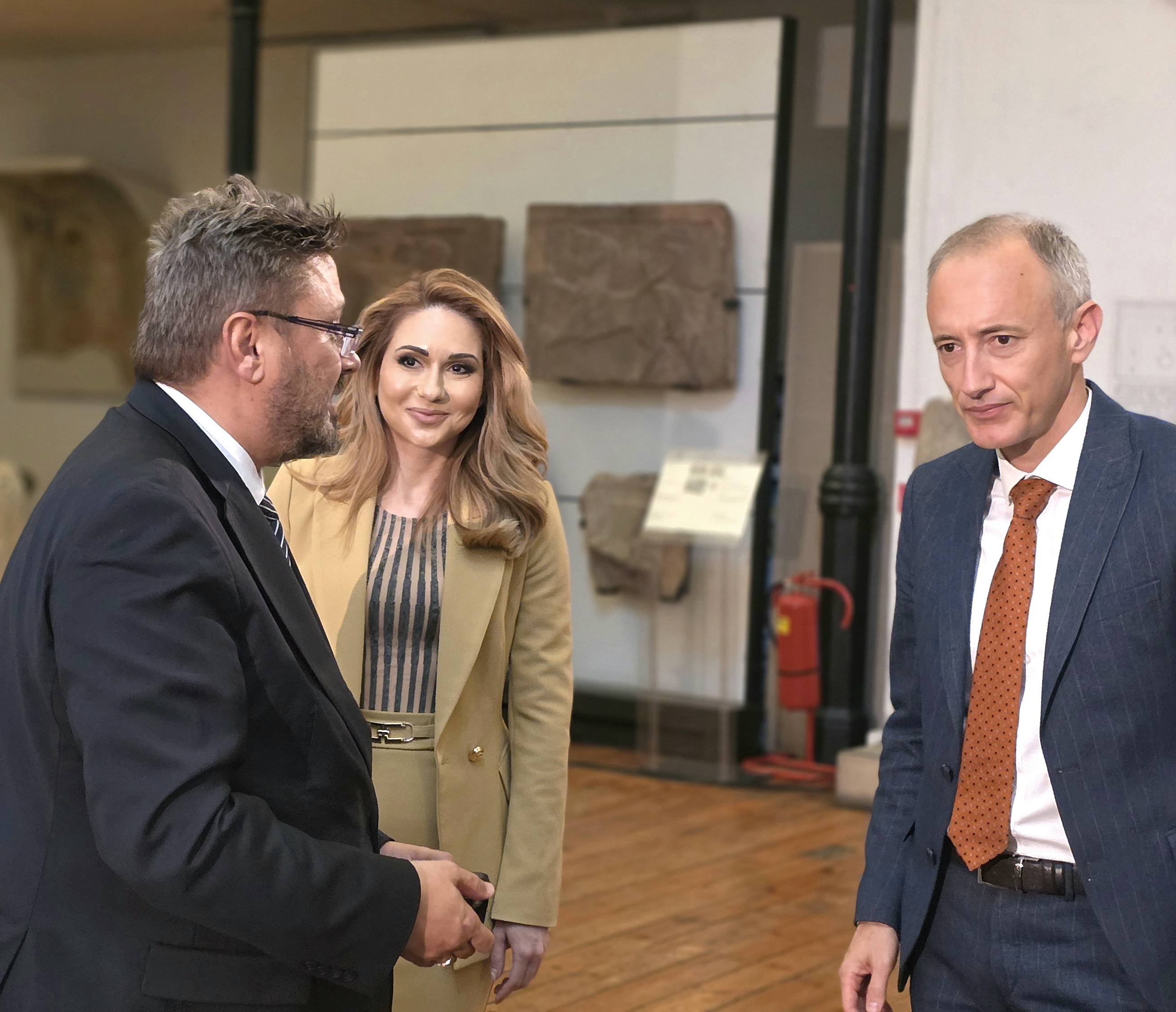
Studies were presented on the risks and the time that children spend in the social networks. The Minister of Education Krasimir Valchev reported that it is almost two hours, i.e. more than 10% of the time when they do not sleep. He added that a large percentage of the online networks have seducing elements built into them.
“If we know that something is harmful to children, as parents it is our duty to regulate and talk about this issue,” Krasimir Valchev stressed.
The Minister of e-Government Valentin Mundrov informed that a national digital identity wallet will become available before the end of 2026 to verify the age in the use of digital services that are restricted to minors, including in the event of restrictions, if any such, in social networks.
Denmark’s Ambassador H.E. Flemming Stender said that that the minimum age to visit social networks in Denmark is 15 and that it was introduced two weeks ago. He emphasized that online safety is one of the priorities of the Danish Presidency of the Council of the EU.
OMBUDSMAN'S RECEPTION-ROOM
- address: 22 George Washington str.,
1202, Sofia - phone: (+359 2) 810 6955; fax: (+359 2) 810 6963
- e-mail: priemna@ombudsman.bg
PRESS CENTER OF THE OMBUDSMAN
- phone: (+359 2) 810 6913
- e-mail: press@ombudsman.bg


.jpg)