News
Health Minister Katya Ivkova and Ombudsman Velislava Delcheva are joining forces for reform in psychiatric care
.jpg)
19 June 2026
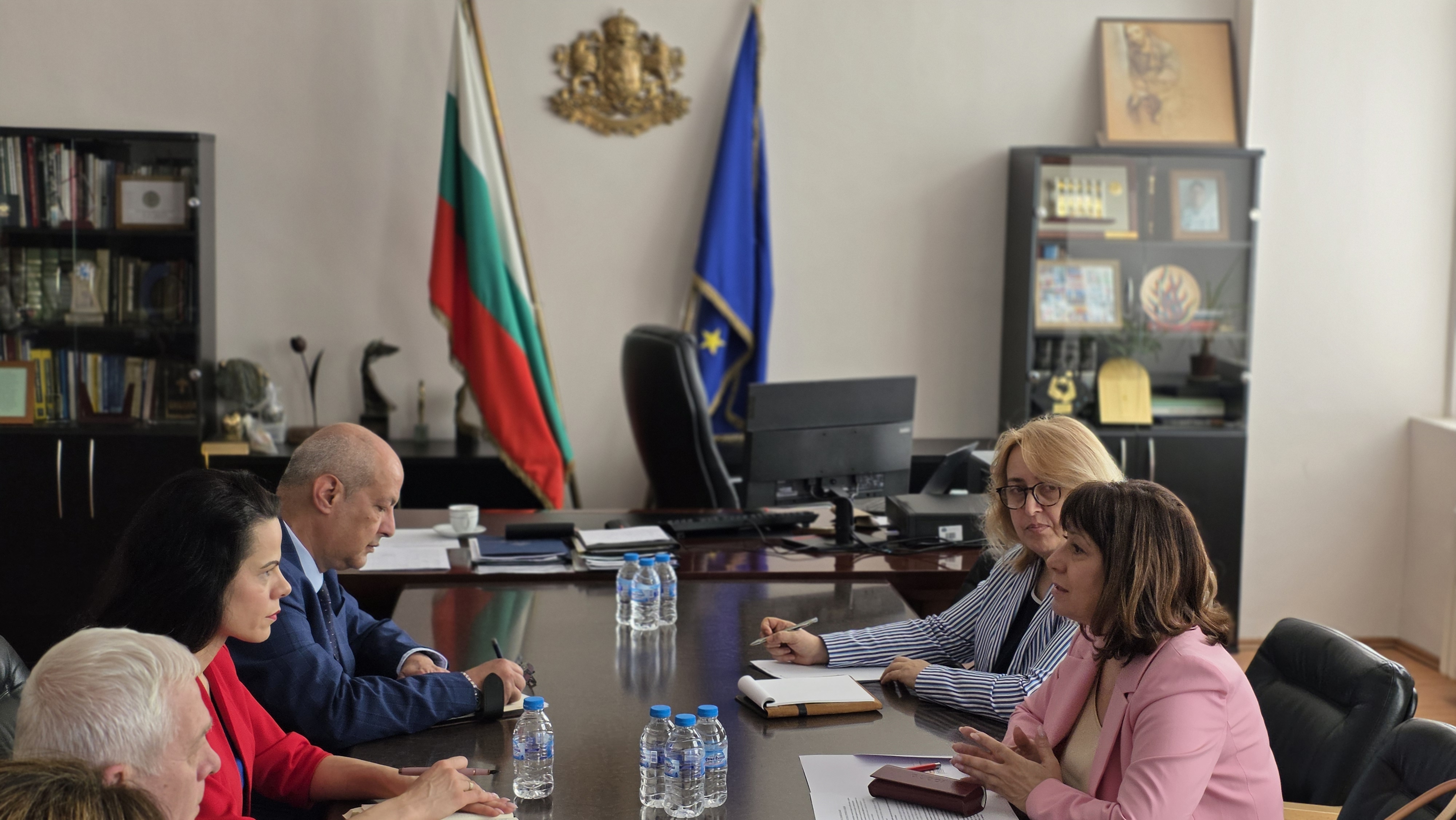
Improving psychiatric care, the role of healthcare professionals in preventing domestic violence, and the accumulated case files with the decisions of the Medical Expert Commission (TELK) were the focus of a working meeting between Health Minister Katya Ivkova and Ombudsman Velislava Delcheva. Also participating in the discussion were Deputy Health Ministers Prof. Petko Salchev and Dr. Ivian Benishev.
A key focus of the discussion was the conditions in state psychiatric hospitals. The discussion was prompted by the Ombudsman’s opinion, based on the extraordinary inspections conducted under the National Preventive Mechanism (NPM), as well as the recommendations made to strengthen oversight of construction and installation activities in the sector. The Ombudsman underscored the need to improve the physical infrastructure by installing fire alarm systems, implementing video surveillance, and providing elevators for patients with limited mobility.
The Ombudsman states that there are proposals for regulatory changes aimed at better protecting the rights of patients in psychiatric care.
First, she highlights the need to clarify the regulatory framework regarding the use of physical restraint measures (restraints) on patients in psychiatric hospitals. According to her, the Ombudsman Institution has been pointing out the lack of sufficiently clear rules regarding the maximum duration and conditions for applying these measures for years. The current provisions allow for different interpretations and create a risk of patients being restrained multiple times within a single 24-hour period without clearly defined safeguards to protect their rights.
Among the issues raised is the need to expand access to legal protection for people admitted to psychiatric hospitals. The Ombudsman calls for the creation of more effective mechanisms to ensure legal assistance and support, including the ability for patients to appeal actions or inactions of the administration and medical professionals during their stay.
The lack of sufficiently developed psychosocial rehabilitation for people with mental disorders has also been identified as a systemic problem. According to the Ombudsman, there is a need to expand community-based services and ensure more active participation by the social services system in the process of patient recovery and support. The issue of the gradual development of deinstitutionalisation policies has also been raised, combined with measures to raise public awareness and support for both people with mental illnesses and their families.
Velislava Delcheva also notes that the institution receives numerous complaints from both directors of psychiatric facilities and patients’ relatives. These complaints raise concerns not only about material conditions but also about staffing levels, the organisation of care, and the quality of care provided—issues primarily related to the shortage of medical staff and nursing caregivers.
Minister Ivkova and Ombudsman Delcheva have agreed that overcoming the long-standing problems in psychiatric care requires consistent, coordinated, and sustainable action from all institutions involved. In this context, they also discussed the possibility of holding a joint European conference with the participation of leading international experts to support the process of modernising and reforming the sector.
Among the key topics discussed at the meeting were the role of the healthcare system in preventing domestic violence, as well as the more active involvement of doctors in identifying and reporting such cases. The Ministry of Health announced that official guidelines had been sent to all regional health inspectorates (RHI) regarding the more active involvement of medical professionals in the national prevention mechanism. The aim is for healthcare professionals to use their professional expertise to more effectively identify high-risk cases and signs of abuse. According to the ministry, the implementation of the new guidelines is already yielding initial positive results.
During the meeting, issues related to the decisions of the Medical Expert Commission (TELK) and signals received from citizens were also discussed. The team from the Ministry of Health has assured the Ombudsman that all the cases raised are being actively addressed with the necessary attention. According to the health minister, sustainable and effective solutions are already being sought to ensure the protection of citizens’ rights and interests.
OMBUDSMAN'S RECEPTION-ROOM
- address: 22 George Washington str.,
1202, Sofia - phone: (+359 2) 810 6955; fax: (+359 2) 810 6963
- e-mail: priemna@ombudsman.bg
PRESS CENTER OF THE OMBUDSMAN
- phone: (+359 2) 810 6913
- e-mail: press@ombudsman.bg