News
In a statement to MPs, Ombudsman Velislava Delcheva calls for greater support for children, families, and vulnerable groups
26 November 2025
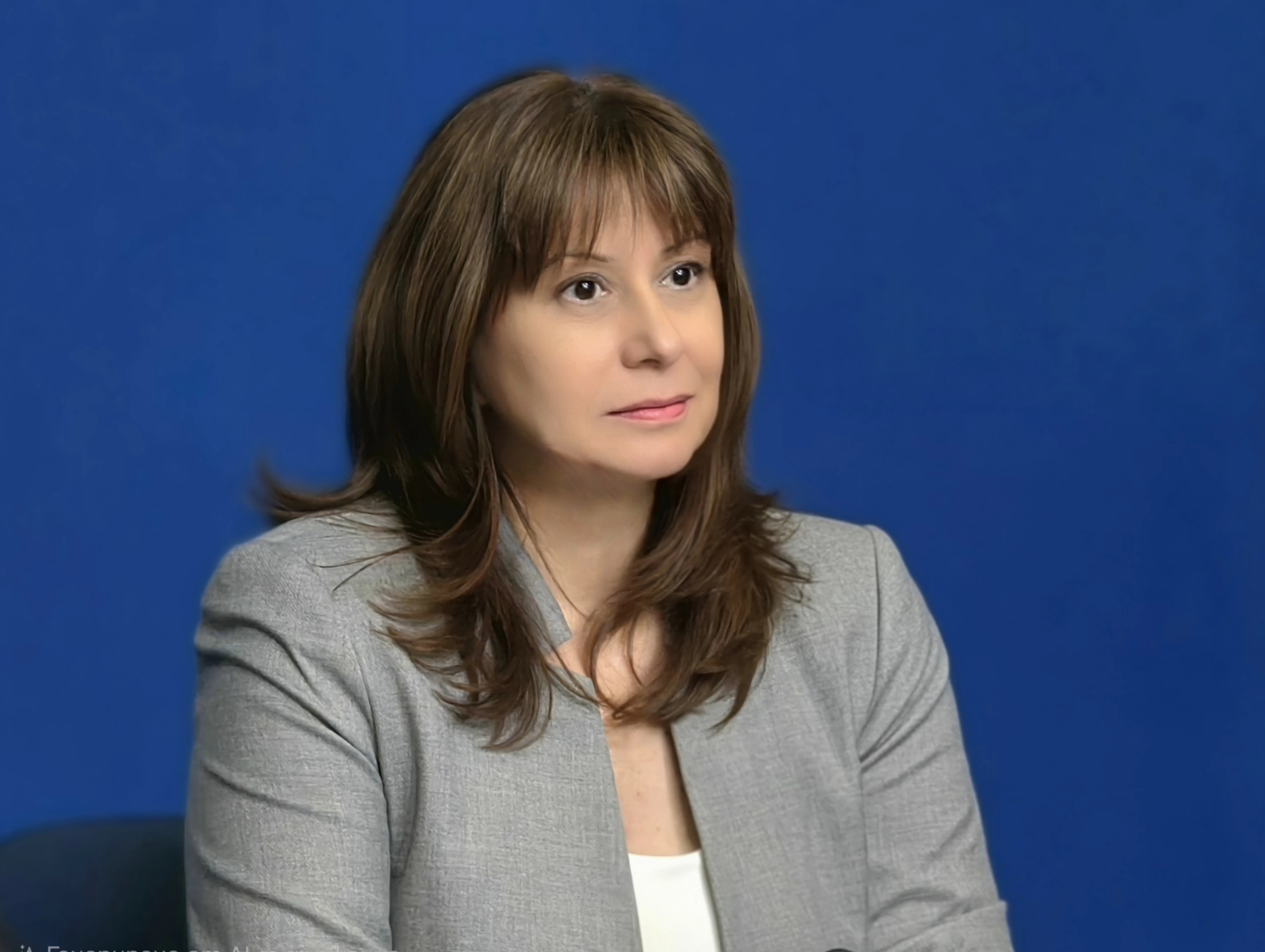
Ombudsman Velislava Delcheva sent a statement to the chairpersons of the parliamentary committees on labor, social and demographic policy Denitsa Sacheva and budget and finance Delian Dobrev regarding the Bill for amendment and supplement to the State Social Security Budget Act for 2026 and the Bill for the State Budget of the Republic of Bulgaria for 2026 submitted to the National Assembly.
The Ombudsman emphasizes that the first budget after Bulgaria's entry into the eurozone must strike a balance between stable public finances and effective social protection. Delcheva supports the increase in the minimum amount of all pensions, but raises a number of considerations regarding social payments.
Velislava Delcheva points out that the allowance for raising a child up to 2 years of age is again below the minimum wage.
She supports the increase from BGN 780 to BGN 900, as well as the incentive for mothers to return to work by receiving 75% of the allowance in the second year, but nevertheless points out that BGN 900 remains below the minimum wage (BGN 1,077), which continues to cause difficulties for families.
The Ombudsman emphasizes that the Institution receives numerous complaints from mothers, including those who were insured at high salaries, who, due to a lack of nurseries, health reasons, or other objective circumstances, cannot return to work and are forced to live on an income below the minimum wage.
She also highlighted the particular difficulties faced by parents of twins.
Delcheva insists that the compensation under Article 53 of the Social Security Code should be equal to the minimum wage, as had been discussed before the budget was presented.
Another focus in the Ombudsman's statement is the unchanged and extremely insufficient government support for children.
She points out that the amount of state maintenance support for children whose parents do not pay the awarded maintenance remains at BGN 100 (EUR 51.2), which is grossly insufficient to cover basic needs; it remains significantly below the minimum set out in Article 142 of the Family Code – ¼ of the minimum wage. The Ombudsman therefore insists that state support be updated.
Delcheva emphasizes that benefits for children with disabilities have remained unchanged for three years now and insists that they be updated annually.
The Ombudsman points out that the monthly allowances under Article 8d of the Family Allowances for Children Act have not been increased for three years, despite inflation and the dynamics of key social indicators, and that these are the only monthly cash allowances for children with disabilities, which provide crucial support for rehabilitation, treatment, and the provision of medication.
According to the Ombudsman, the lack of annual updates creates inequality for adults with disabilities, whose benefits increase annually based on the poverty line.
In her opinion, Velislava Delcheva expresses concerns about the expanded powers of the National Social Security Institute (NSSI) and access to health data.
The Ombudsman expresses serious concern about the proposed changes through transitional provisions that expand access to electronic health records and give the National Social Security Institute extra powers to initiate a review of expert decisions that have already come into effect.
According to Delcheva, these changes, adopted without public debate, constitute a disproportionate interference in the personal and health-related lives of people with disabilities. She emphasizes that control over medical expertise cannot be exercised at the expense of the rights of vulnerable groups.
In conclusion, the Ombudsman calls on MPs to review the controversial texts so that the 2026 budget guarantees real, adequate, and timely support for families, children, and people with disabilities.
OMBUDSMAN'S RECEPTION-ROOM
- address: 22 George Washington str.,
1202, Sofia - phone: (+359 2) 810 6955; fax: (+359 2) 810 6963
- e-mail: priemna@ombudsman.bg
PRESS CENTER OF THE OMBUDSMAN
- phone: (+359 2) 810 6913
- e-mail: press@ombudsman.bg