News
In an opinion on the Health Act: The Ombudsman called for strict regulations and control over how, when, and whether mentally ill patients should be tied down
22 January 2026
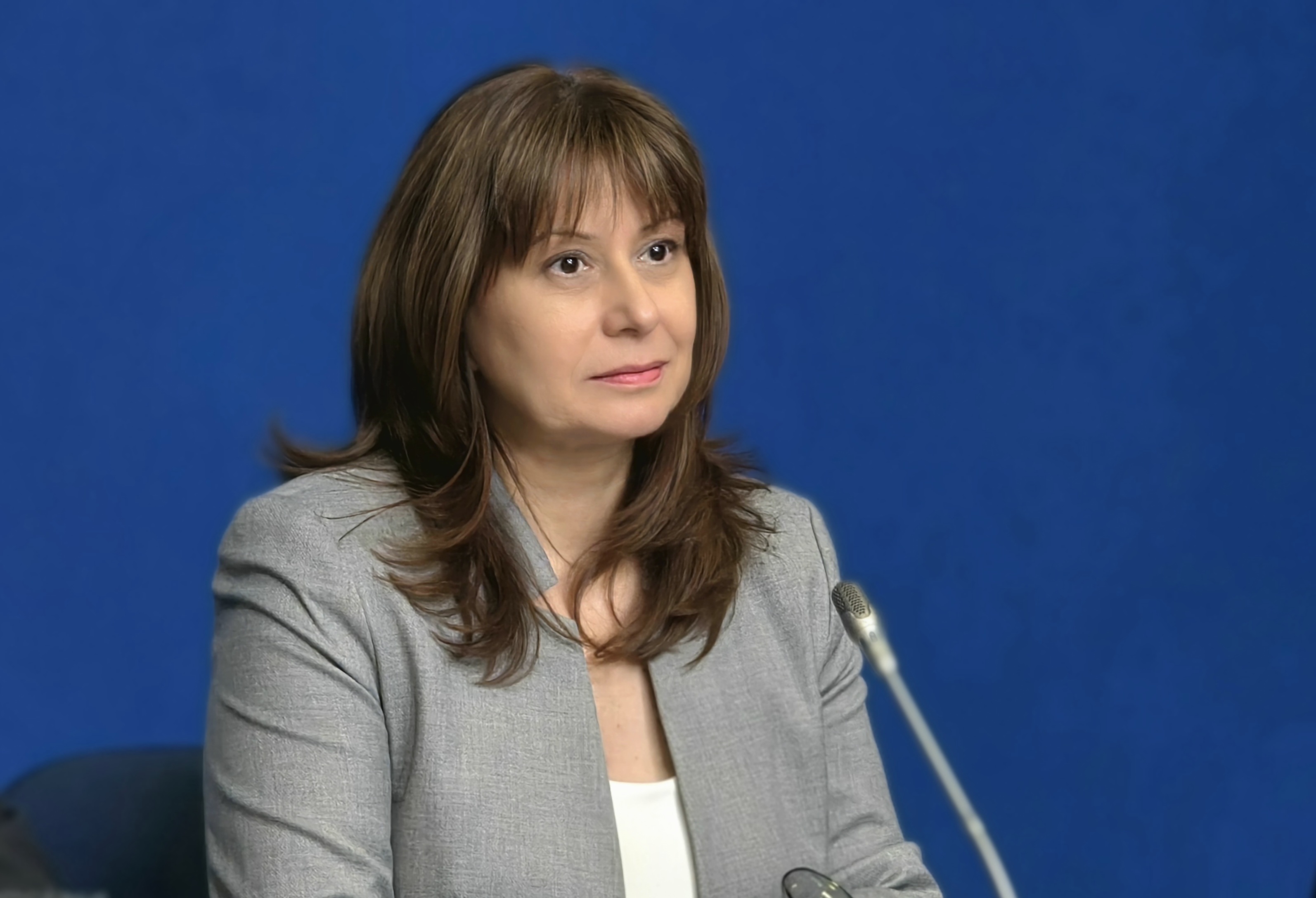
Ombudsman Velislava Delcheva sent her opinion on the bill amending and supplementing the Health Act to the Health Care Committee of the National Assembly in connection with problems concerning the rights of patients with mental illnesses.
In her opinion, Delcheva points out that, based on numerous inspections carried out by the Ombudsman over the years, a number of systemic problems have been identified in relation to the application of extreme coercive measures against patients with mental illnesses, without an adequate control mechanism.
The Ombudsman emphasises that Ordinance No. 1 of 28 June 2005 does not comply with international standards and allows for prolonged isolation and immobilisation, i.e. the tying up of patients, without clear grounds, limits and consistency.
Delcheva is adamant that the proposed new Article 92a of the Draft Act introduces general regulation of measures for temporary physical restraint, but leaves key issues to be settled by a subordinate act. The Ombudsman emphasises that the right to personal freedom and bodily integrity ("habeas corpus") is a fundamental human right and requires clear, detailed and legal regulation.
In this regard, the public mediator recommends that the new act explicitly regulate the grounds, procedure, duration, and frequency of isolation and immobilisation measures. She also insists that the creation of a unified national information system be discussed, in which every measure of "isolation" and "immobilisation" in all psychiatric hospitals be registered in real time, with guaranteed protection of personal data and public monthly reporting by the Ministry of Health.
The Ombudsman's position is that these proposals are in line with the critical opinions of the European Committee for the Prevention of Torture (CPT) issued in 2021 and 2023, which define violence and degrading treatment in psychiatric institutions as a systemic failure.
In her opinion, Delcheva highlights as particularly positive the introduction of the new Article 149a and related provisions, which prohibit any form of cruel, inhuman, or degrading treatment and introduce a clear mechanism for judicial protection in cases of violation of patients' rights, which has been a long-standing recommendation of the Ombudsman Institution and a key instrument for the effective protection of the rights of persons with mental disorders.
Velislava Delcheva notes that a key recommendation of the Institution has been implemented with the inclusion of a requirement for mandatory pathological autopsies, including chemical-toxicological analysis, in cases of patient deaths in inpatient psychiatric care facilities. The lack of such a practice to date precludes the possibility of an objective analysis of the causes of death and the prevention of future treatment failures.
In her opinion, the public defender also emphasises that the Ombudsperson's inspections and the findings of the CPT show a serious lack of psychosocial rehabilitation, a shortage of staff and inadequate therapeutic opportunities. She therefore recommends that state policy clearly prioritise the development of community services and support for the families of people with mental disorders.
The Ombudsman supports the establishment of municipal mental health committees (Article 148a), recommending that the procedure for nomination and the requirements for their members be clearly regulated, as well as the expansion of integrated health and social support in accordance with the Social Services Act.
Delcheva is adamant that the proposed joint instruction between the ministries of health, labour and social policy, and internal affairs is an important step, but that the participation of the judiciary and municipalities should also be envisaged.
The Ombudsman also expresses serious reservations about assigning special social assessments to the Social Assistance Directorates, which do not have the necessary expert capacity.
With regard to the rights of minors, the Ombudsman supports the proposed amendments to strengthen procedural and substantive guarantees when placing minors in psychiatric institutions.
"The proposed bill takes into account most of the suggestions made by the Public Defender's Office over the years with a view to protecting the rights of people with mental illnesses. As an Ombudsman defending the rights of all citizens, I believe that for its adoption, it is necessary to take into account the opinions and positions of all interested parties, both the authorities and institutions directly concerned, as well as those working in the country's psychiatric care system, in order to sufficiently protect the rights of patients with mental disorders and preserve their human dignity, as enshrined in the Constitution of the Republic of Bulgaria, the country's legislation, and international treaties," Delcheva concludes.
OMBUDSMAN'S RECEPTION-ROOM
- address: 22 George Washington str.,
1202, Sofia - phone: (+359 2) 810 6955; fax: (+359 2) 810 6963
- e-mail: priemna@ombudsman.bg
PRESS CENTER OF THE OMBUDSMAN
- phone: (+359 2) 810 6913
- e-mail: press@ombudsman.bg