News
Ombudsman: Systematic violations of Roma rights continue to be a problem in Bulgaria
8 December 2025
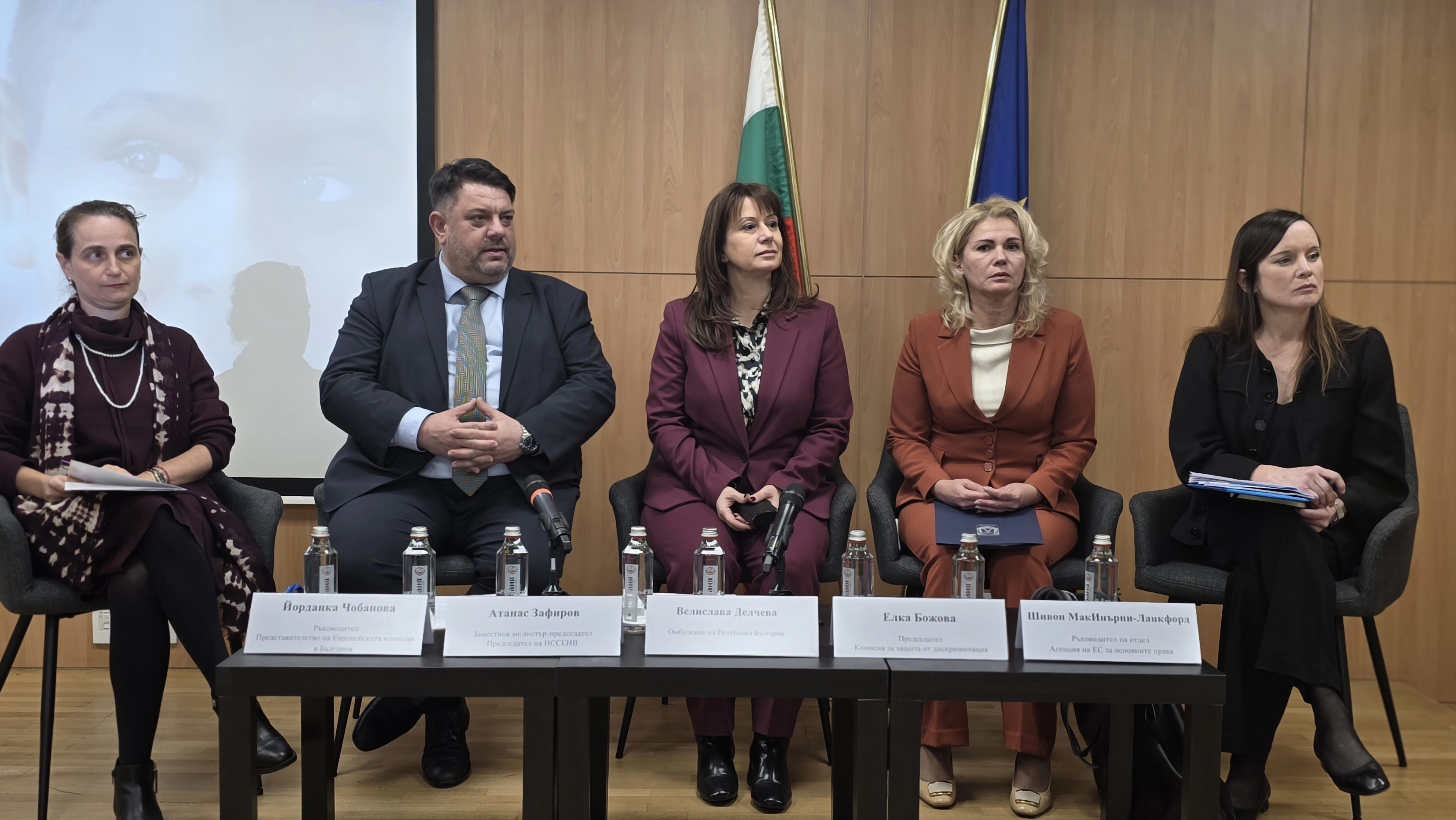
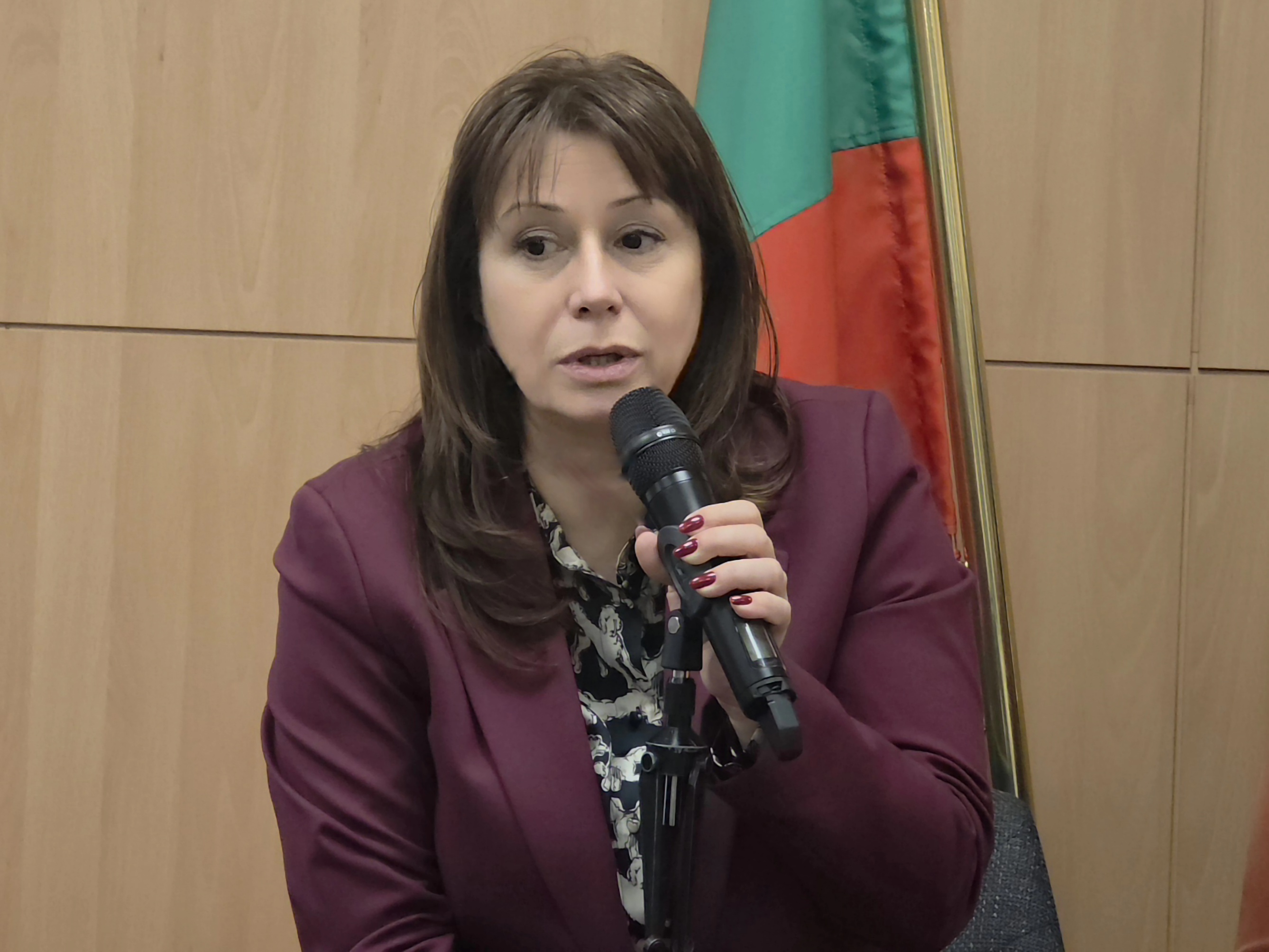
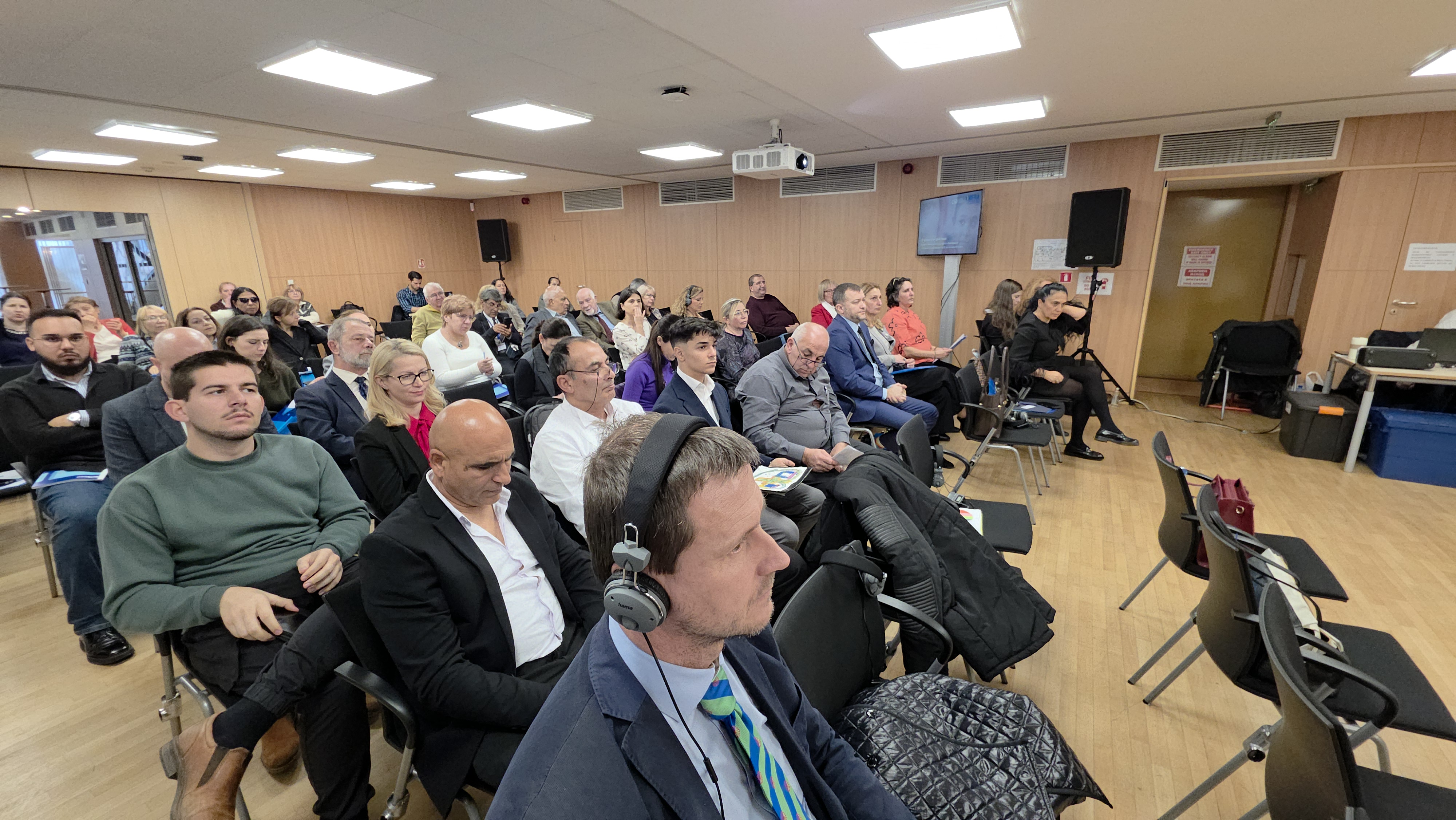
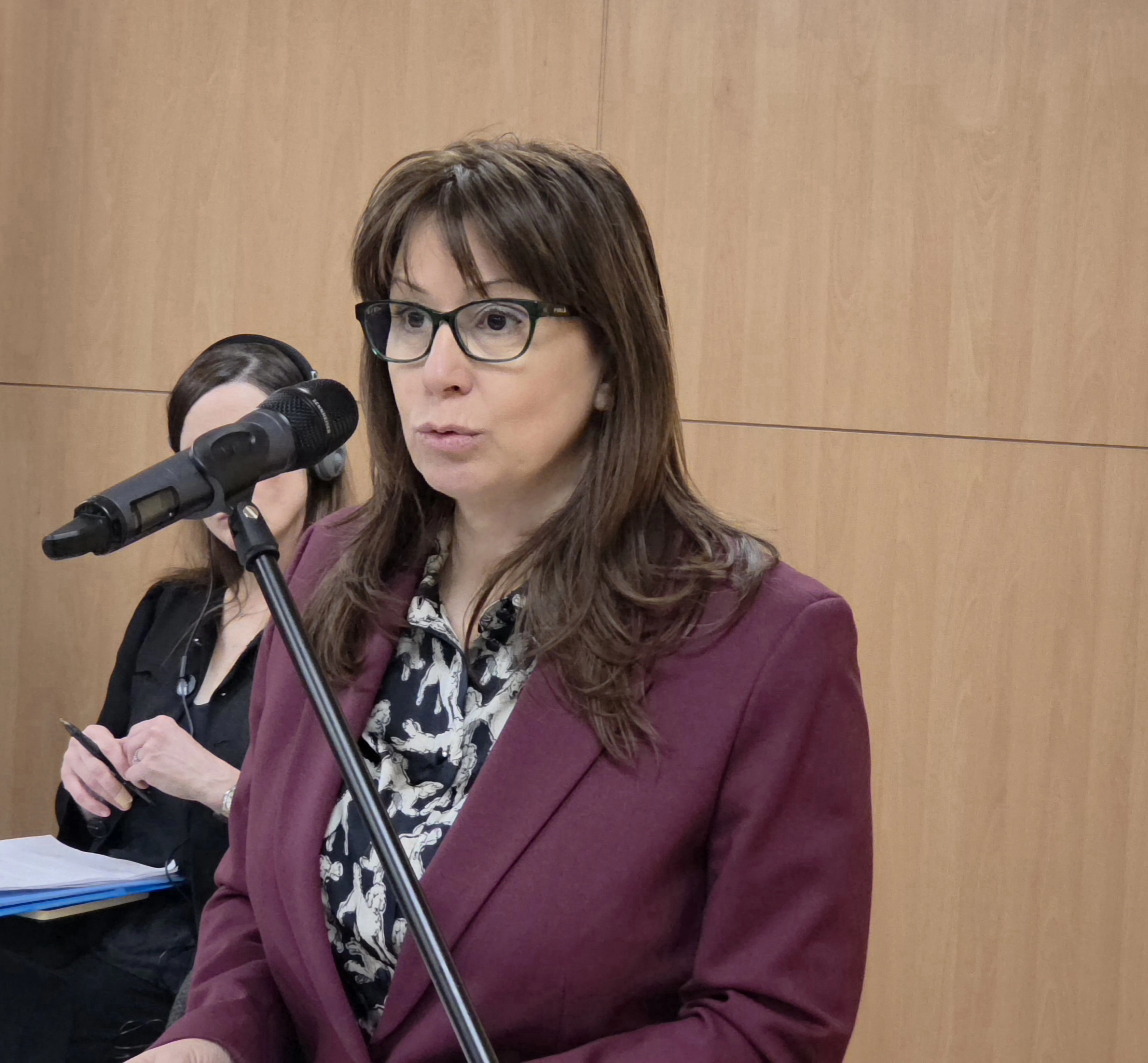
Evictions and lack of alternative accommodation, "invisible people" without documents and health rights, problems related to education, employment, and social prejudice. These were the points highlighted by Ombudsman Velislava Delcheva in her speech at the National Round Table: "From data to action: conclusions on the situation of Roma in Bulgaria from the EU Agency for Fundamental Rights study."
Delcheva emphasised that the forced eviction of Roma families was one of the most serious systemic problems, often leading to restrictions on their access to education, healthcare and social services. She pointed out that the Ombudsman Institution consistently demanded that municipalities apply their measures proportionally and in accordance with human rights, including by providing alternative housing.
As a positive example, Velislava Delcheva cited the procedure in Stara Zagora in September 2023, in which families with young children were temporarily accommodated and all institutions were activated and coordinated.
In connection with the problem of so-called "invisible citizens," i.e. people without documents and health insurance rights, the Ombudsman reports that the Institution is increasingly encountering cases of homeless people without personal documents who are excluded from all systems, with Roma women, including pregnant women, without medical supervision being particularly affected.
The data is alarming – over 105,000 women in Bulgaria do not have health insurance, around 60,000 of them (40%) are Roma women, and 75% of uninsured women (78,750) have not undergone medical examinations during pregnancy.
"Following the intervention of the Ombudsman, Ordinance No. 26 of 2007 was amended, and now all pregnant women without health insurance are entitled to at least two free check-ups," the Ombudsman said.
Delcheva also pointed out that Roma women continued to be among the most vulnerable groups of citizens in the labour market, with an employment rate twice as low as that of men from the same community.
In support of access to education, the Ombudsman announced that the institution had launched a national campaign called "No Fees in Kindergartens," which led to the elimination of all fees for kindergartens and compulsory preschool education (as of 1 April 2022).
She added that the Institution was also insisting that food costs be covered by the state so as not to burden poor families.
With regard to support for educational and health mediators, the Ombudsman emphasised that the Institution has repeatedly insisted on ensuring sustainable funding for educational and health mediators, which is a key element for Roma families' access to services and information.
"As a national human rights institution with "A" status under the Paris Principles, the Ombudsman Institution ensures the accurate and timely application of international human rights standards in Bulgaria. Thus, in its statement to the 75th session of the UN Committee on the Elimination of All Forms of Discrimination, the Ombudsman specifically emphasized that one of the main challenges facing Bulgaria was to ensure equal opportunities for Roma women and to encourage their increasingly active role in public and political life. Measures must be implemented to support this process and empower women in the Roma community to make them active members of the community and better inform them about their human rights," said the public defender.
"Improving the lives of Roma communities requires sustainable partnerships, dialogue, and active participation by the people themselves. The Ombudsman Institution will continue to be their advocate and ally," said Velislava Delcheva.
OMBUDSMAN'S RECEPTION-ROOM
- address: 22 George Washington str.,
1202, Sofia - phone: (+359 2) 810 6955; fax: (+359 2) 810 6963
- e-mail: priemna@ombudsman.bg
PRESS CENTER OF THE OMBUDSMAN
- phone: (+359 2) 810 6913
- e-mail: press@ombudsman.bg