News
Ombudsman to the Energy and Water Regulatory Commission: It is unacceptable for another increase in heating costs to be passed on to citizens
2 April 2026
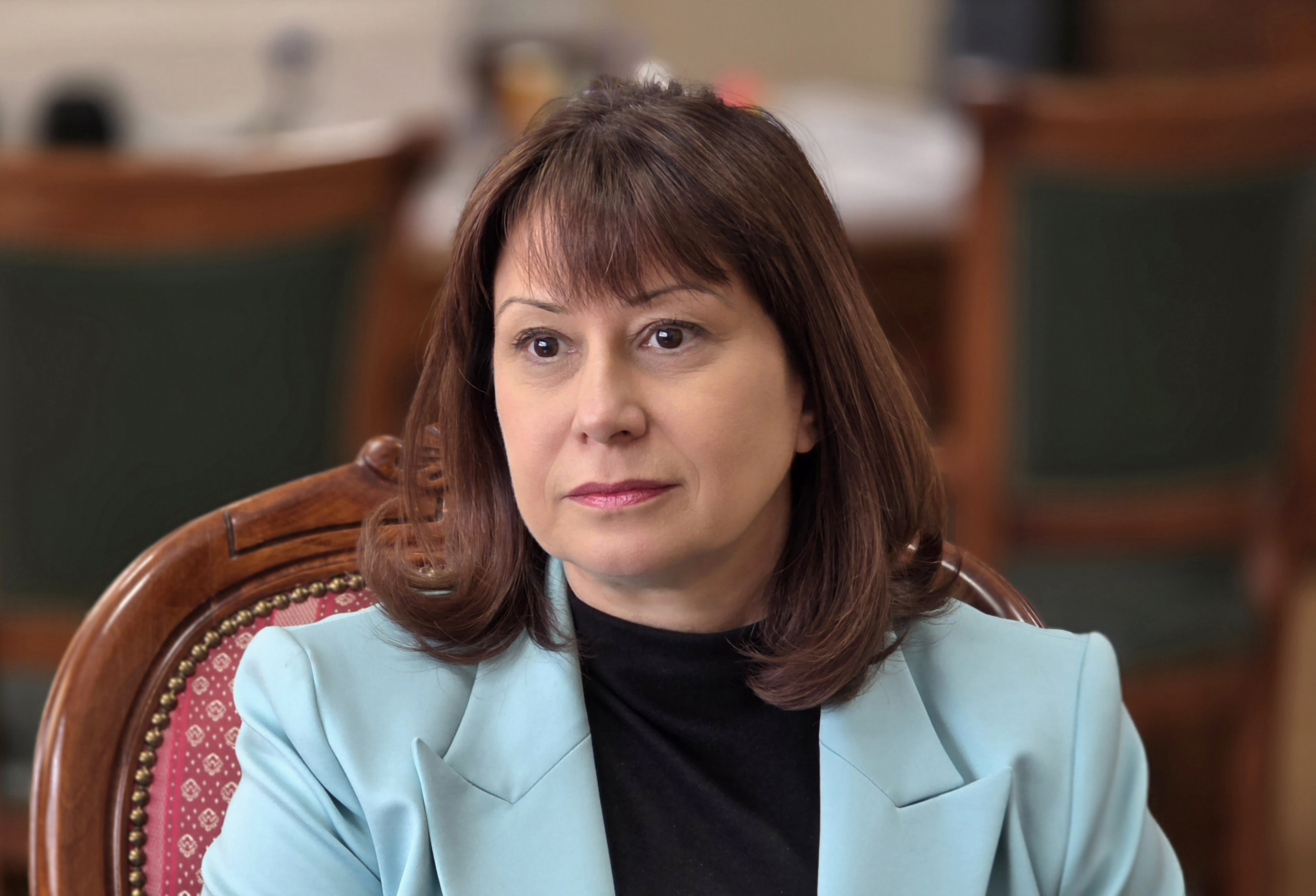
The Ombudsman Institution strongly opposes the sharp increase in heating prices—nearly 30%—proposed by Toplofikacia Sofia EAD.
“Such an increase is unaffordable for thousands of households that are already under serious financial pressure,” writes Ombudsman Velislava Delcheva to Plamen Mladenovski, Chairman of the Energy and Water Regulatory Commission (EWRC).
The Public Defender emphasises that, given the ongoing instability and tension in the Middle East—which affects energy prices—every price increase cannot automatically and uncritically be passed on to end consumers.
“It is unacceptable that, in a situation where people’s incomes are not growing at the same rate, the costs of basic services should rise sharply and without regard for social balance. Energy security cannot be built at the expense of households’ financial insecurity,” Delcheva states categorically.
According to her, it is particularly alarming that this proposal comes amid serious public discontent over the quality of service provision, high heating bills, a lack of transparency in pricing, and the resulting sense of injustice.
“The Ombudsman Institution continues to receive reports from citizens who are struggling to cover their electricity and heating costs, and every new increase puts them at risk of indebtedness and energy poverty,” adds the Public Defender.
Velislava Delcheva points out that, even during the current pricing period, the district heating company Toplofikacia Sofia has stopped publishing data on whether it has collected excess or insufficient revenue resulting from the forecasts incorporated into the current regulated prices.
Furthermore, for 7 of the past 10 months of the pricing period, the company has actually paid for natural gas at a lower price than that set in the forecast for the current price of heat energy for consumers.
For this reason, the Ombudsman urges EWRC to determine, in a concrete, objective, and precise manner, the amount of any excess revenue collected by Toplofikacia Sofia during the 2025–2026 pricing period and to reflect this result in the prices effective 1 July 2026.
“It is also of great importance that, when determining heat energy prices, the quality of heat supply services and the actual implementation of the declared repair and investment programmes of Toplofikacia Sofia EAD and other companies in the heat supply sector be taken into account,” adds Delcheva.
She further urges EWRC to conduct an exceptionally thorough and transparent analysis of all components of the proposed price, to refrain from automatically approving any increase without clear and publicly substantiated arguments, and to protect the public interest by ensuring that any burden is fairly distributed rather than placed entirely on citizens.
“I expect the Energy and Water Regulatory Commission to promptly publish the applications for new prices submitted by all district heating companies, ensuring maximum publicity and transparency during their review,” the Ombudsman concludes.
OMBUDSMAN'S RECEPTION-ROOM
- address: 22 George Washington str.,
1202, Sofia - phone: (+359 2) 810 6955; fax: (+359 2) 810 6963
- e-mail: priemna@ombudsman.bg
PRESS CENTER OF THE OMBUDSMAN
- phone: (+359 2) 810 6913
- e-mail: press@ombudsman.bg