News
Ombudsman Velislava Delcheva has referred the matter of the ‘freeze’ on the minimum wage and the changes to the calculation of length of service to the Constitutional Court
5 August 2026
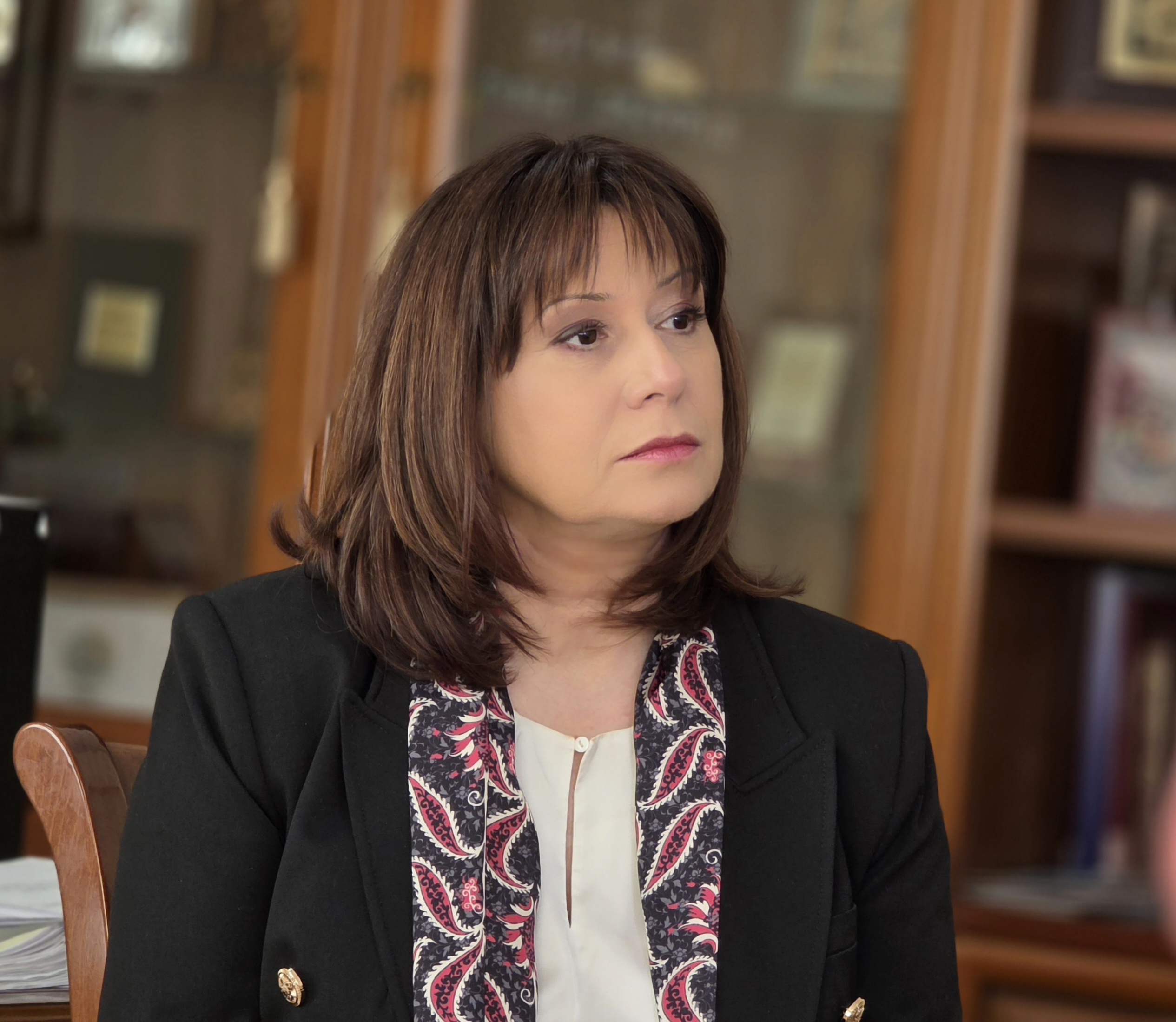
Ombudsman Velislava Delcheva has referred the matter to the Constitutional Court, requesting a ruling that the provisions of §11, points 1–4, and §46 of the Transitional and Final Provisions of the 2026 State Budget of the Republic of Bulgaria Act are unconstitutional.
According to the request, points 1–4 of §11 amend the mechanism for calculating length of service, replacing the current system, based on days worked, with one based on hours worked. The new wording of Article 355(2) of the Labour Code introduces a strictly proportional calculation of length of service for part-time work, repealing the current rule under which a full day’s length of service is recognised as the time during which at least half of the statutory working hours have been worked. The request states that this represents the most significant change to the length-of-service regime since the adoption of the Labour Code to date.
The wording of §46 is also being challenged, as it abolishes the mechanism for the annual setting of the minimum wage in 2026 without simultaneously proposing an alternative model, a deadline for its adoption, or guarantees for its updating.
According to the Ombudsman, the challenged provisions directly affect the way in which length of service is recognised – a legal fact to which the accrual, exercise or extent of a number of employment and social rights are linked. The request states that the new regulations have a particularly adverse effect on people working part-time – parents of young children, people with permanent disabilities or health impairments, students, pensioners, people caring for family members, as well as citizens for whom part-time employment is the only realistic option for participating in the labour market.
“For these persons, the new regime is not merely a matter of accounting for or administratively recording length of service; it delays the accrual of, and may reduce the amount of, rights directly linked to employment – paid annual leave, additional leave, additional remuneration for length of service and professional experience, and benefits whose amount or entitlement depends on the length of service, as well as the opportunity to hold positions for which the law requires a specific length of service or professional experience,” the request states.
With regard to the minimum wage, the Ombudsman points out that suspending the statutory mechanism for determining it and replacing it with a system dependent on a future and uncertain legislative development has a direct impact on the rights of workers and employees. According to the request, the abolition of the current mechanism without a clear and effective alternative creates a risk of legal and economic uncertainty and deprives a significant number of workers of the necessary predictability and protection.
The request maintains that the challenged provisions are contrary to the principles of the rule of law and the welfare state, to the constitutional protection of labour, to the right to work, and to the right to a minimum wage and paid annual leave. It is further pointed out that the amendments create a risk of indirect discrimination against part-time workers, placing this category of workers in a permanently less favourable position solely because of the organisation of their working hours.
The Ombudsman also draws attention to the manner in which the challenged texts were adopted. The request states that the amendments to the Labour Code were included in the transitional and final provisions of the State Budget Act without the procedures laid down in the Law on Normative Acts being followed, without the necessary prior impact assessment, and without a separate bill or discussion in the National Council for Tripartite Cooperation.
According to the request, the provisions of §46 also create legal uncertainty, as they simultaneously provide for the inapplicability of the current mechanism for setting the minimum wage in 2026 and for maintaining its level until future legislative changes are adopted, without specifying a deadline for this.
In her request, Ombudsman Velislava Delcheva asks the Constitutional Court to initiate constitutional proceedings and to declare the provisions of §11, points 1–4 and §46 of the Transitional and Final Provisions of the 2026 State Budget of the Republic of Bulgaria Act as being contrary to the principles of the rule of law and the welfare state, as well as to provisions of the Constitution guaranteeing the protection of labour, the right to work, the right to a minimum wage and the powers of the National Assembly as the legislative body.
OMBUDSMAN'S RECEPTION-ROOM
- address: 22 George Washington str.,
1202, Sofia - phone: (+359 2) 810 6955; fax: (+359 2) 810 6963
- e-mail: priemna@ombudsman.bg
PRESS CENTER OF THE OMBUDSMAN
- phone: (+359 2) 810 6913
- e-mail: press@ombudsman.bg