News
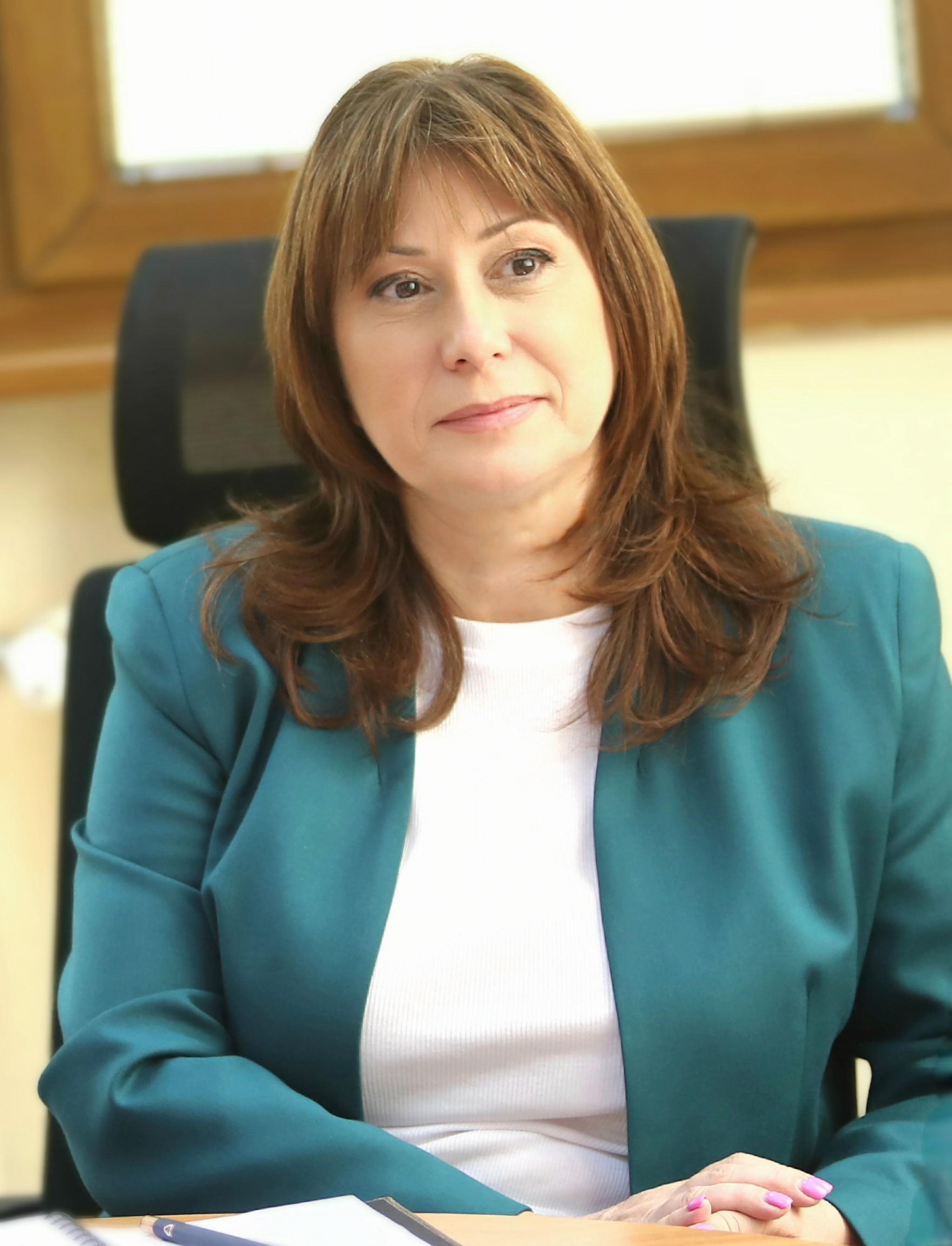
Ombudsman Velislava Delcheva: I do not accept the latest increase in the prices of water and sewerage services
28 November 2025
Ombudsman Velislava Delcheva categorically disagrees with the proposed increase in water and sewerage service prices by the Energy and Water Regulatory Commission (EWRC) from 1 January 2026, averaging over 2.62% for the country. According to the public defender, there are no convincing grounds to prove that higher prices will lead to a better quality, more reliable, and more efficient service for citizens.
In a statement to the chairman of the Energy and Water Regulatory Commission Plamen Mladenovski, which will also be presented at the regulator's meeting on Tuesday, the Ombudsman points out that the increase is being proposed against the backdrop of an extremely difficult year for thousands of consumers who have experienced water rationing. As of 25 November 2025, 32,259 people have been affected by water rationing, according to data from the Ministry of Regional Development and Public Works.
In 2025, more than half of the complaints to the Institution in the sector are related to poor service quality – especially from the regions of Pleven, Varna, Pernik, Sofia, and Shumen: drastic regimes, poor-quality drinking water, delayed repair of breakdowns, low pressure, etc.
According to the regulator's report on price changes, the largest increases are expected for VIK Kardzhali (13.19%), VIK Panichishte – Sapareva Banya (12.67%), VIK Steneto – Troyan (12.03%), VIK Blagoevgrad (11.72%), and Sofiiska Voda (9.26%). The highest price remains in Silistra – BGN 6.42/cubic meter. These prices are not final, as inflation for November 2025 will be added to them.
The Ombudsman points out that public discussion cannot be effective because some of the basic accounting data on which prices are calculated—investments, electricity costs, compensation, efficiency indicators—are not publicly available.
An example is given of VIK Haskovo, for which the report notes non-compliance with three key indicators, without, however, providing the data on which the calculations are based. According to the Ombudsman, this does not allow interested parties to give an informed opinion.
The report shows that nine water operators failed to meet their investment plans, while 32 failed to meet key performance indicators. Despite this, prices continue to rise.
The annual report of the Energy and Water Regulatory Commission for 2024 shows that total water losses remain above 60% for the fifth consecutive year, despite investments of over BGN 532 million. At the same time, the average price increase for the period 2020-2026 amounts to 72.35%. "The logical question arises as to why citizens do not see an improvement in service despite rising costs," the Ombudsman emphasizes.
Delcheva's position is that, given the new Water Supply and Sewerage Act being prepared in the National Assembly and the start of a new regulatory period, it is necessary for the Energy and Water Regulatory Commission to conduct a comprehensive analysis of the current pricing mechanism, which has been in place since 2016.
She notes that over the years, the regulator has implemented some of the Ombudsman's recommendations, such as including compensation received for electricity in price calculations, but high prices continue to have no impact on improving the service.
The Ombudsman also recalls the series of water crises over the past three years – in Sliven, Omurtag, Shumen, Pleven, Breznik, as well as in numerous settlements in the Sofia region – which reveal systemic weaknesses in the management of the sector.
"Given these figures, I cannot reasonably conclude that a further increase from 1 January 2026 will lead to a better service for citizens," Delcheva stated categorically.
OMBUDSMAN'S RECEPTION-ROOM
- address: 22 George Washington str.,
1202, Sofia - phone: (+359 2) 810 6955; fax: (+359 2) 810 6963
- e-mail: priemna@ombudsman.bg
PRESS CENTER OF THE OMBUDSMAN
- phone: (+359 2) 810 6913
- e-mail: press@ombudsman.bg