News
Ombudsman Velislava Delcheva in Lovech: Reforms and effective oversight are needed in the care of people with mental disorders
9 April 2026
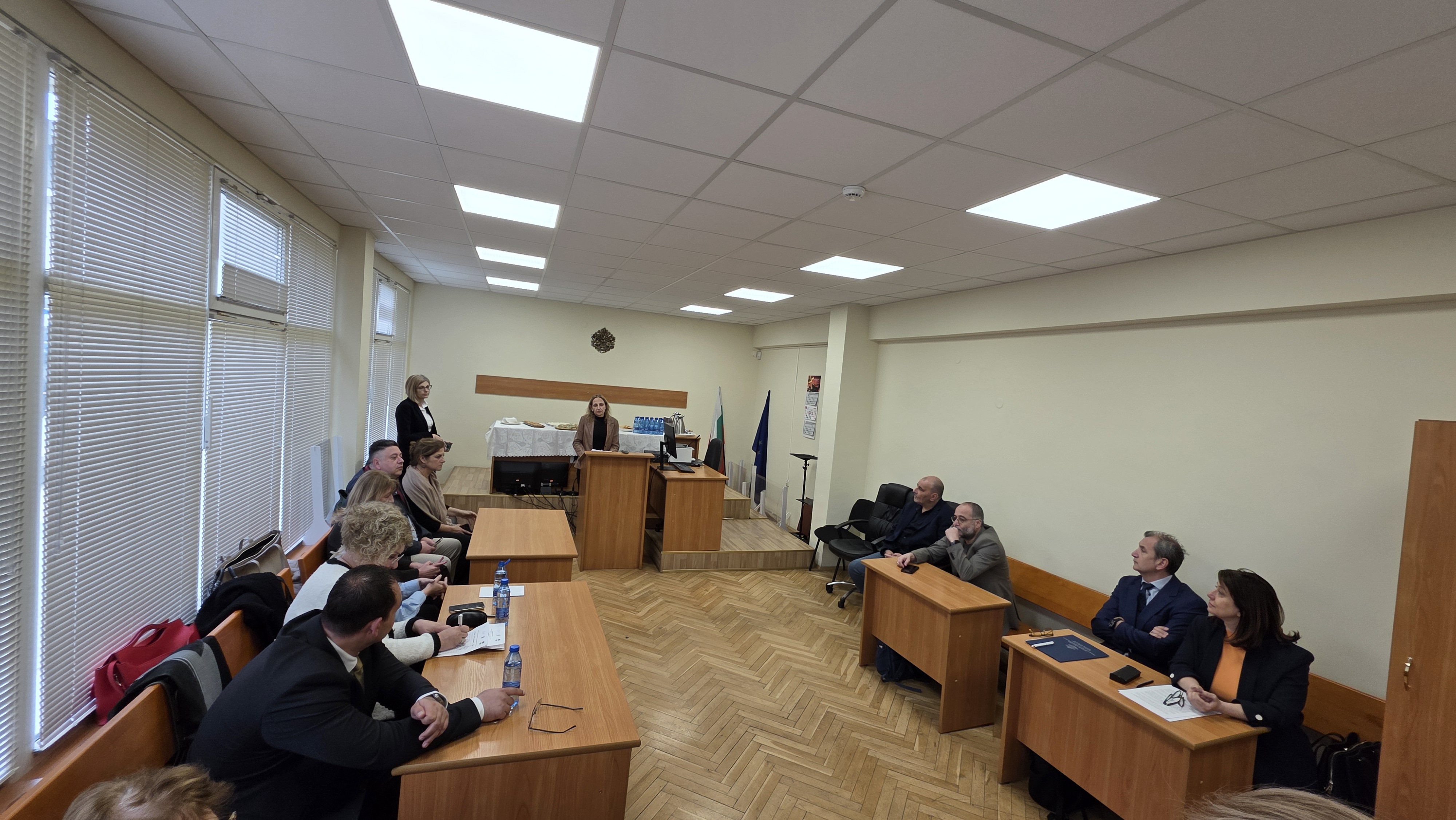
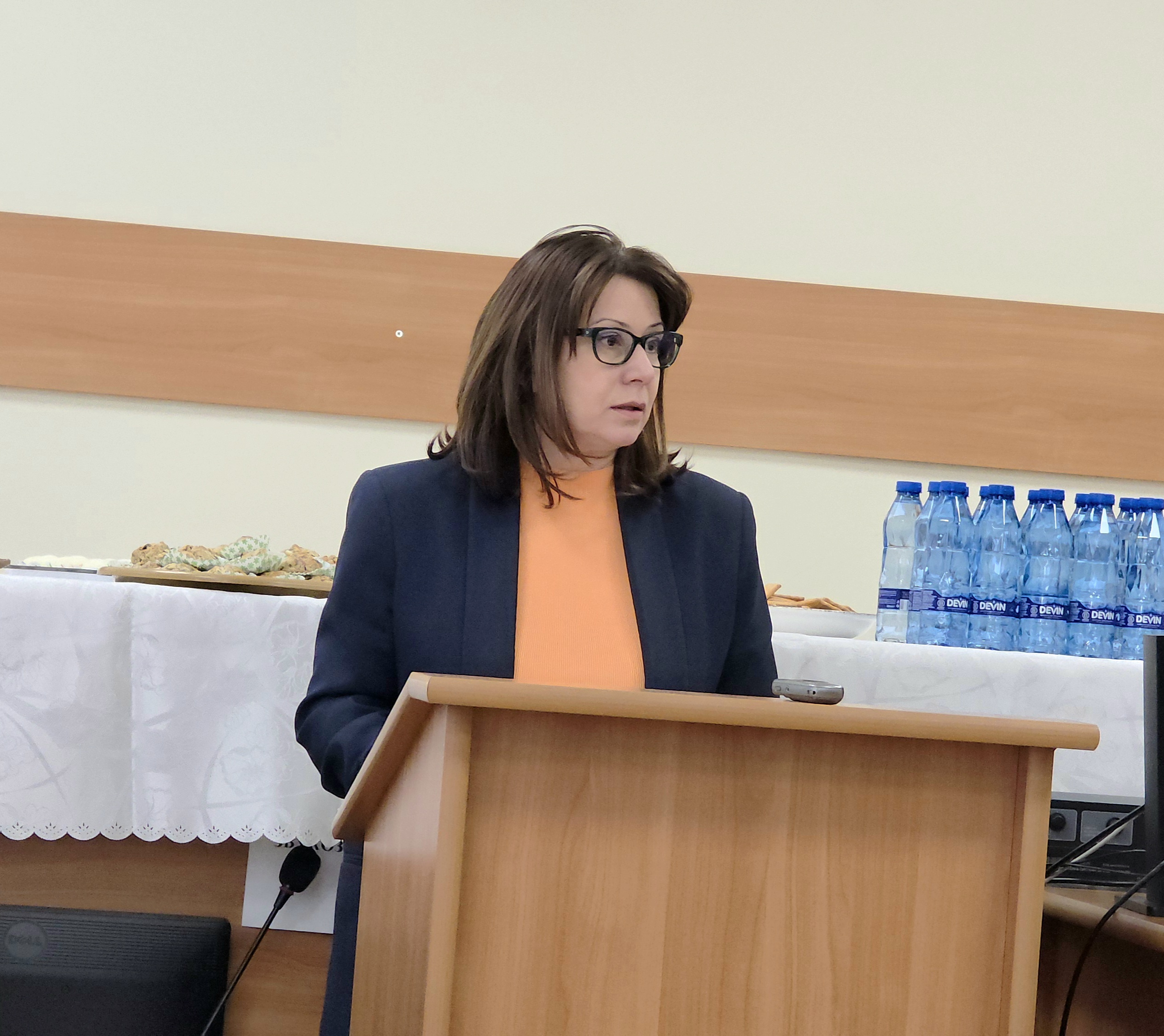
“Thank you for inviting me to this event, because I can see that there are people here—sparks that are burning.” With these words, Ombudsman Velislava Delcheva began her address in Lovech while participating in the roundtable discussion: “Inter-institutional Cooperation in Support of People with Mental Disorders at the Local Level—Challenges and Solutions,” organised at the Lovech District Court.
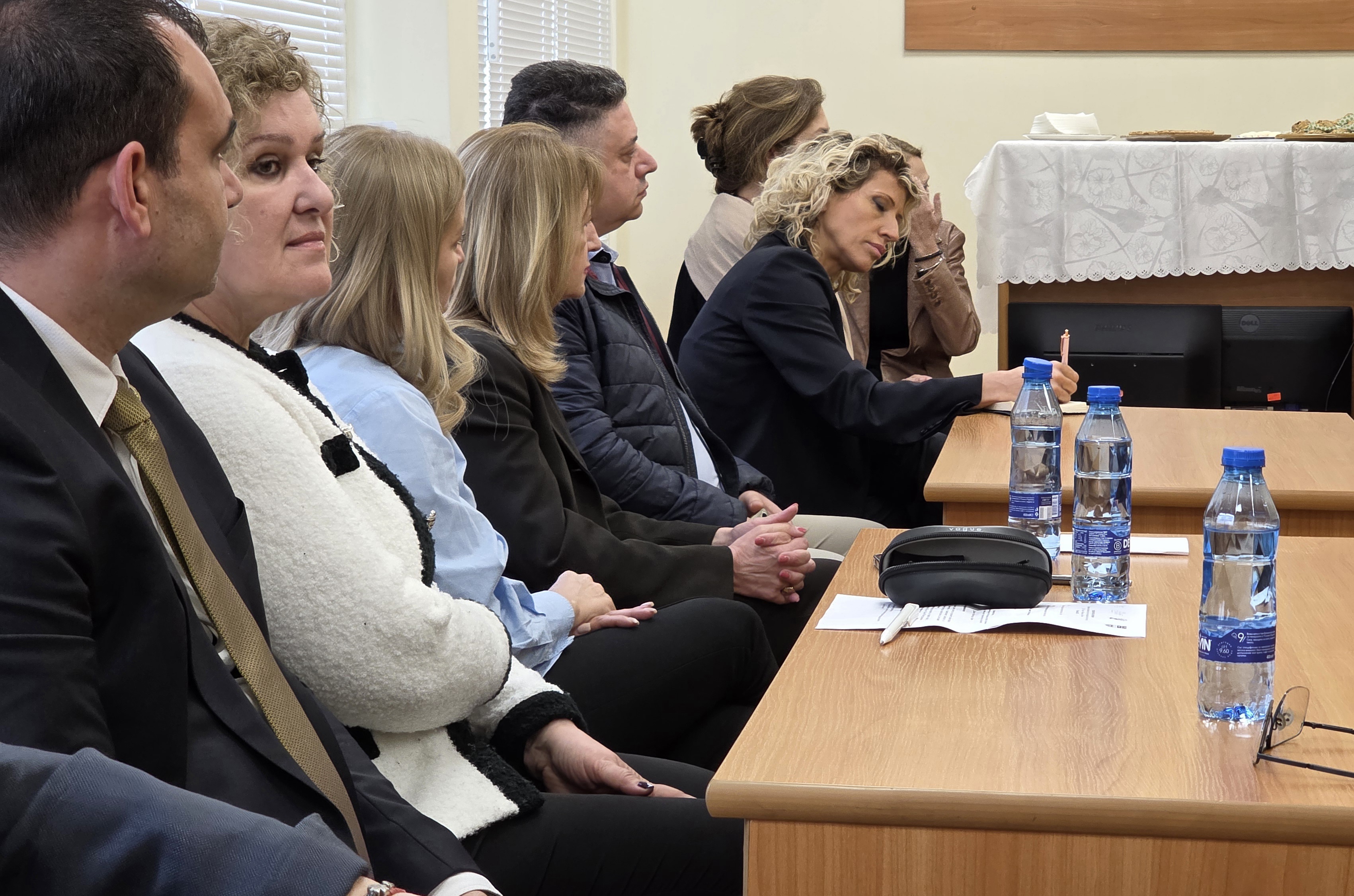
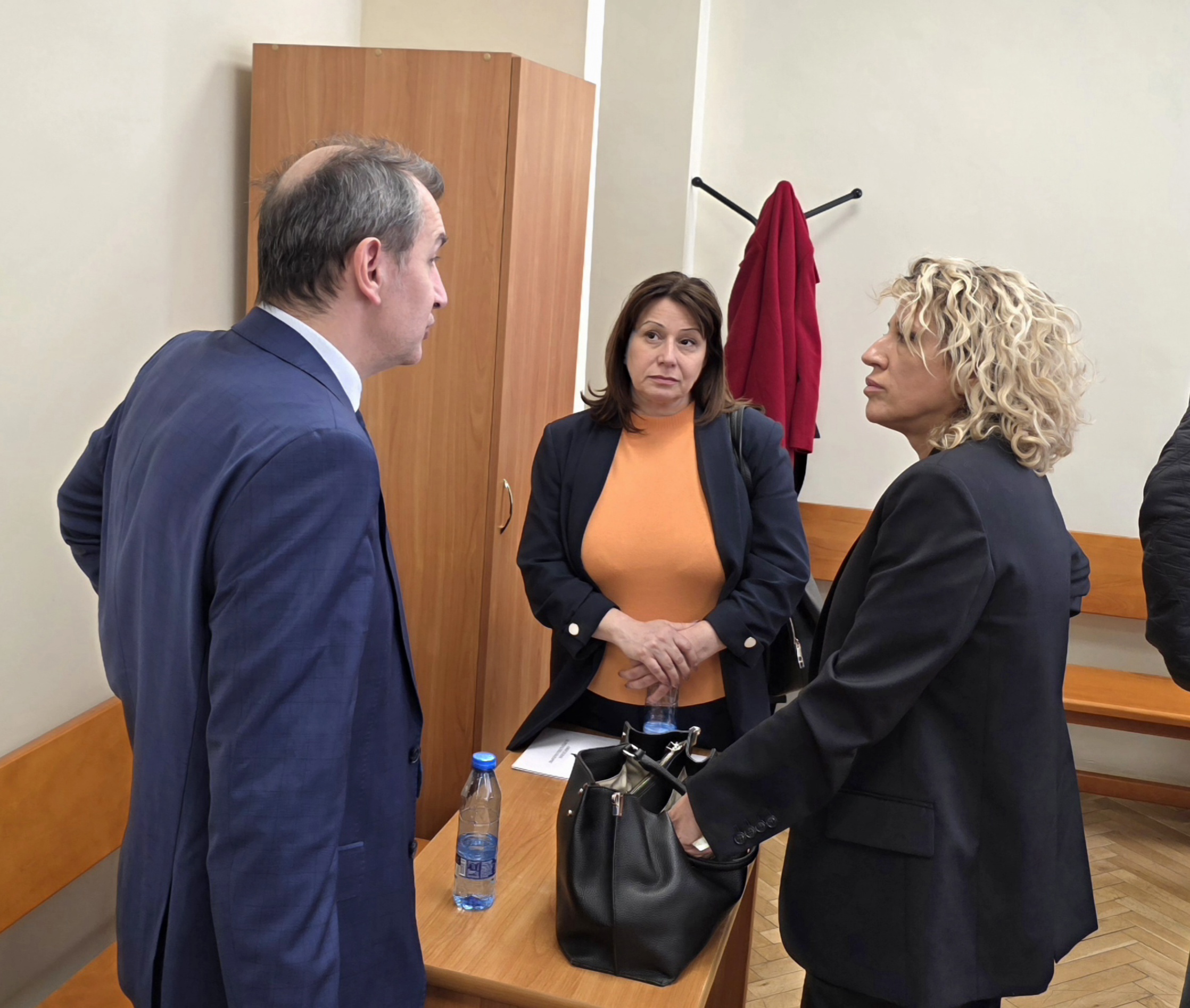
The event was attended by representatives of state institutions, including the Minister of Health, Assoc. Prof. Mihail Okoliyski, as well as local government officials and members of the professional community.
Velislava Delcheva highlighted the role of the Ombudsman as a National Preventive Mechanism, annually monitoring state psychiatric hospitals, mental health centres, and social services for people with mental illnesses.
She emphasised that in the period 2024–2025, numerous unannounced and scheduled inspections were carried out at psychiatric facilities and residential social services, including at the State Psychiatric Hospital in Lovech. She recalled that early in her term, she had submitted an opinion to the National Assembly regarding the Health Act, calling for legislative changes related to psychiatric care, in which long-standing systemic problems were highlighted.
One of the main points in her speech was the issue of the use of coercive measures against patients with mental disorders and the lack of effective oversight over such measures. As a particularly alarming example, she cited the tragic incident on 2 October 2023 at the psychiatric hospital in Lovech, in which a patient lost his life in a fire after he had been isolated and immobilised (restrained) for an extended period of time. The case has been identified as one of the most serious identified by the Ombudsman in the course of her work as a National Preventive Mechanism.
The Public Defender drew particular attention to the need to review the current regulatory framework, specifically Ordinance No. 1 of 28 June 2005, which, according to the Institution, contains serious shortcomings and contradicts international standards.
Delcheva stressed that the lack of clearly defined restrictions regarding the duration and frequency of “isolation” and “restraint” measures creates conditions conducive to violations of fundamental human rights.
In her statement, the Ombudsman highlighted the need for clear protocols for the application of restrictive measures, as well as for the creation of effective mechanisms for monitoring and legal protection of patients.
As a positive example, she noted that following recommendations from the Institution of the Ombudsman, the State Psychiatric Hospital in Lovech took concrete steps to improve conditions and practices. Improvements were noted in the oversight of the application of restrictive measures, the introduction of internal rules, staff training, better documentation, and continuous monitoring of patients. Progress was also reported in the facility’s infrastructure, as well as the opening of the first child and adolescent day hospital affiliated with a state psychiatric hospital, which expands access to specialised care.
Despite this progress, however, the Ombudsman stressed that a number of chronic problems continued to exist within the system, including unsatisfactory living conditions, a shortage of qualified staff, limited access to social services, and the absence of an effective state policy for the reintegration of people with mental disorders into society.
In conclusion, Velislava Delcheva stated that the Institution of the Ombudsman would continue to be an active partner in efforts to improve policies and practices in the field of mental health and the protection of the rights of vulnerable groups, expressing her readiness to cooperate with all stakeholders.
“The Ombudsman can serve as a bridge and mediator between institutions, something I believe you need. Although the Ombudsman’s recommendations are not binding, they are heeded by institutions and are largely taken into account. Make use of this authority of mine as well. And last but not least—I have no legislative initiative, but I use every opportunity, both during and prior to public discussions, to send my opinions to the National Assembly and to participate in parliamentary committees. So make use of the Ombudsman in this matter that is so important to you. You have a partner in my person,” Delcheva concluded.
OMBUDSMAN'S RECEPTION-ROOM
- address: 22 George Washington str.,
1202, Sofia - phone: (+359 2) 810 6955; fax: (+359 2) 810 6963
- e-mail: priemna@ombudsman.bg
PRESS CENTER OF THE OMBUDSMAN
- phone: (+359 2) 810 6913
- e-mail: press@ombudsman.bg