News
Ombudsman Velislava Delcheva: The Constitution is a living social pact that requires accountability and the protection of trust in institutions
16 April 2026
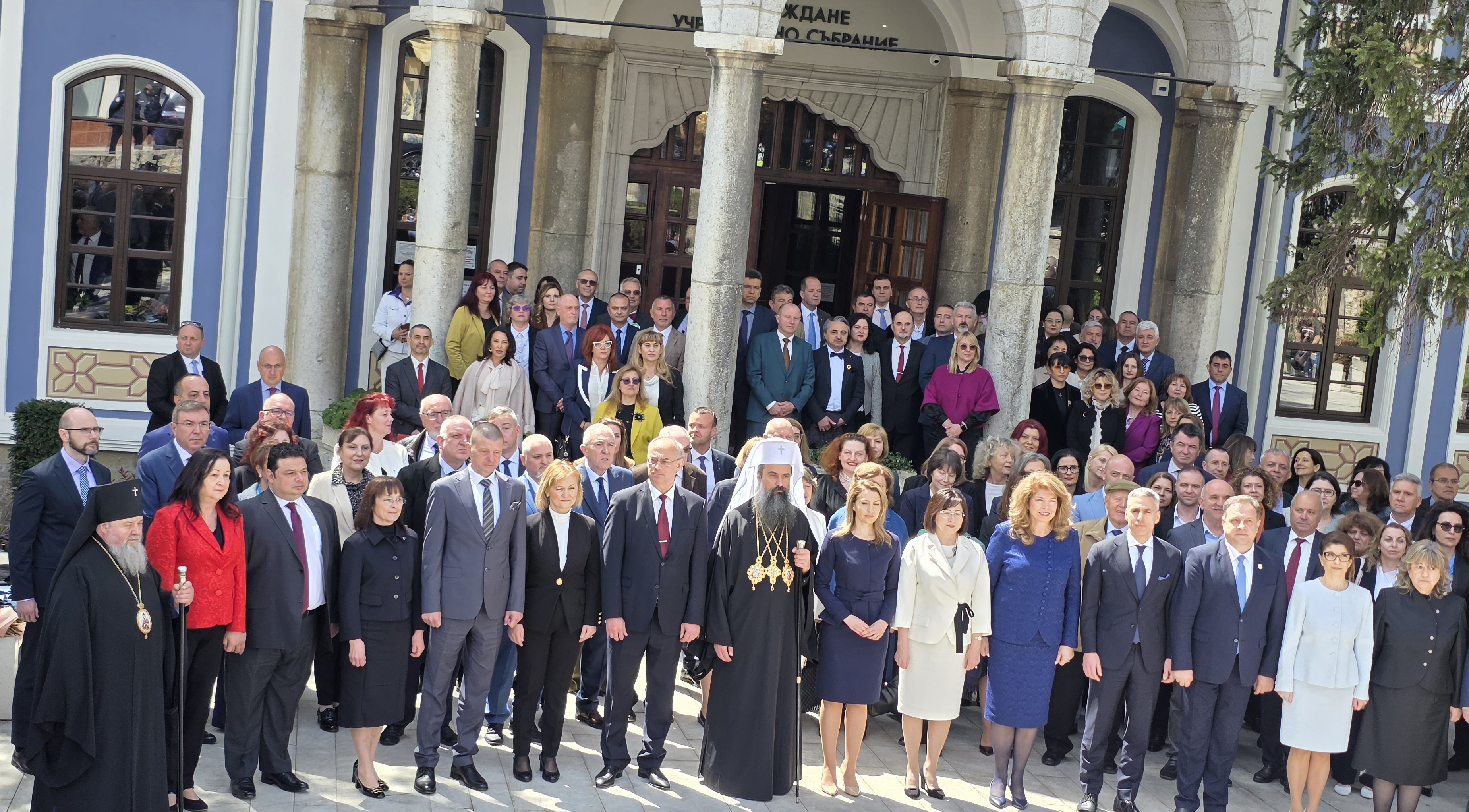
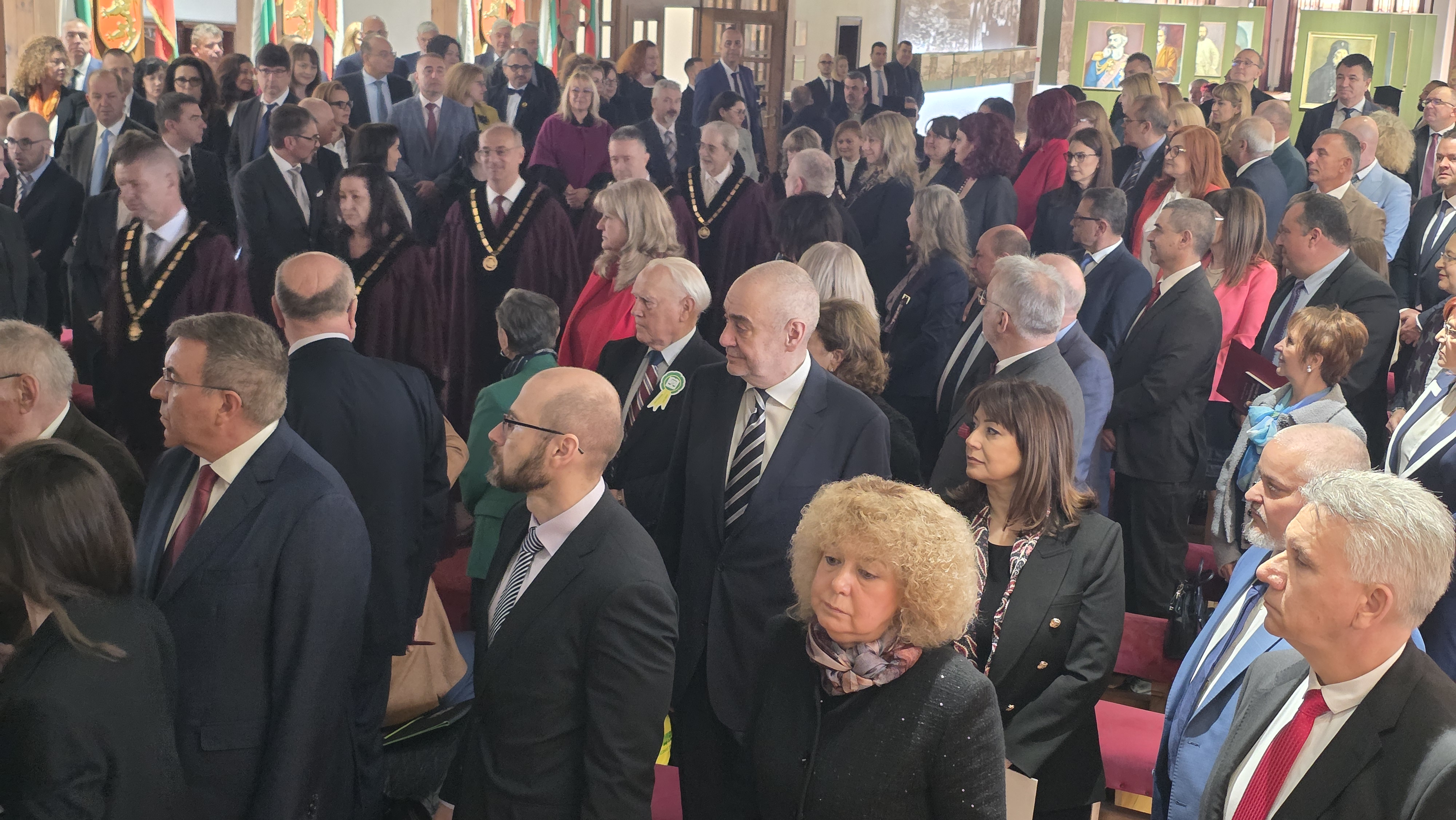
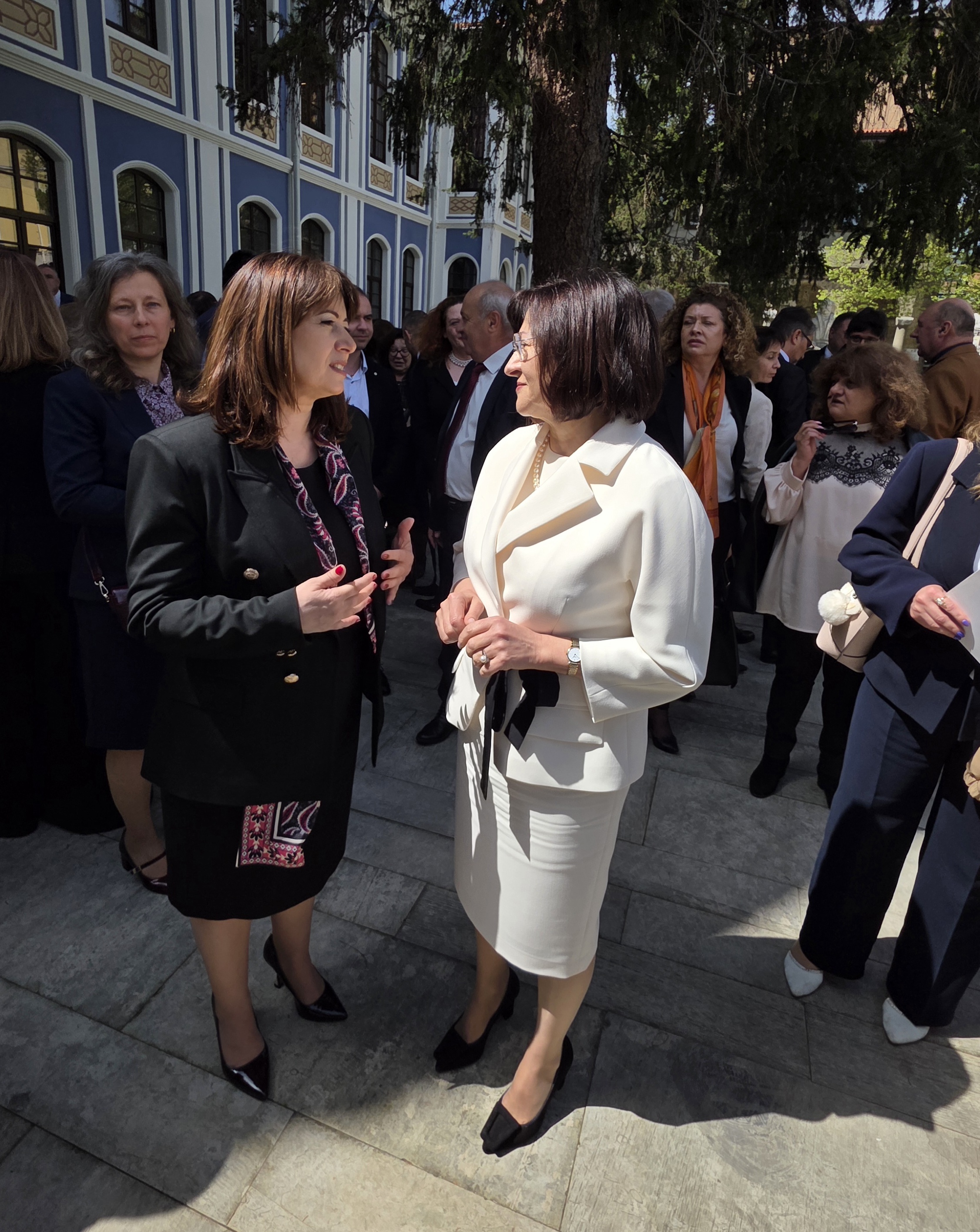
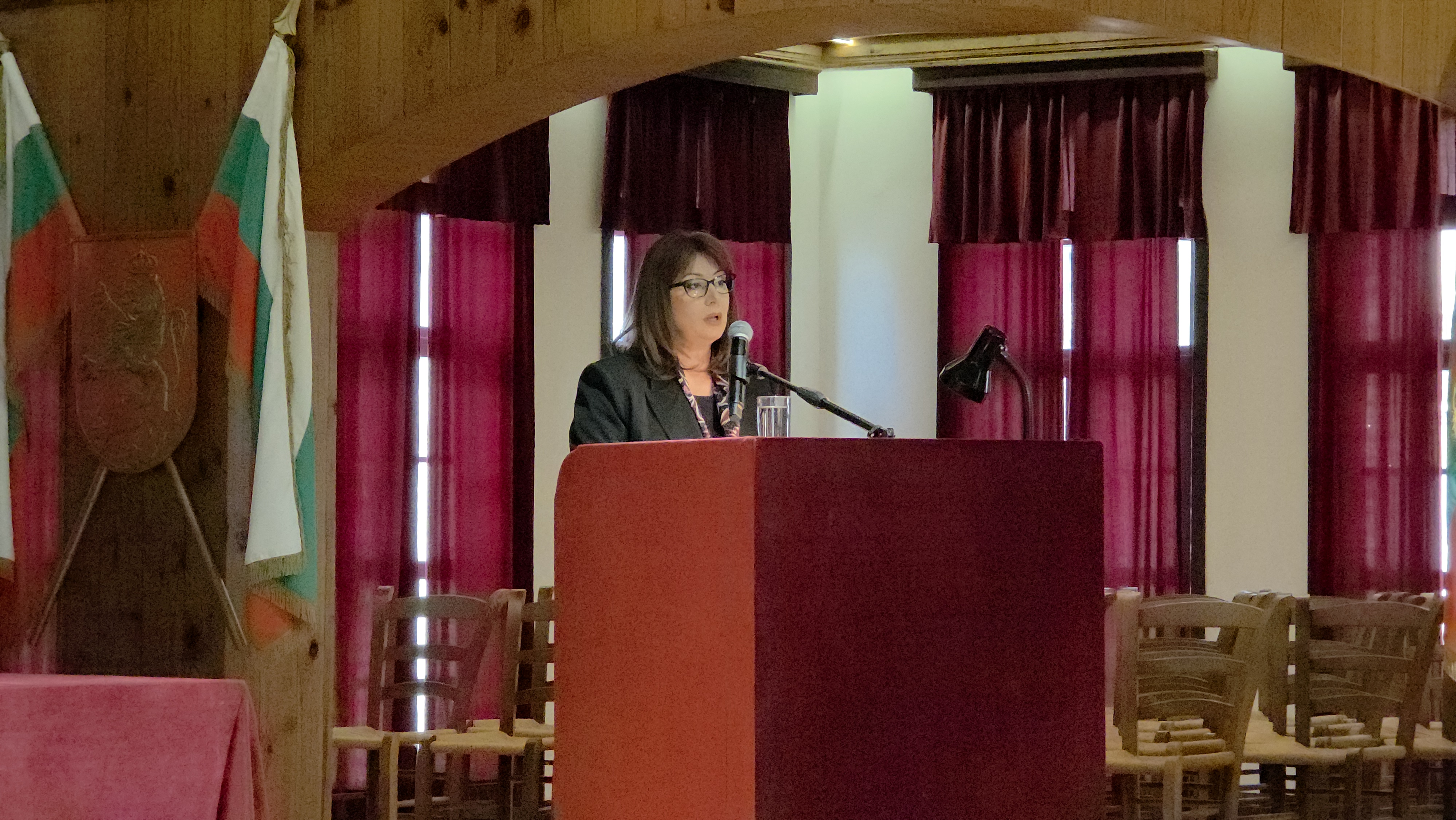
“The Constitution is a living social pact that requires accountability and the protection of trust in institutions.” This was stated by Ombudsman Velislava Delcheva in Veliko Tarnovo during the official celebration of the 35th anniversary of the Constitutional Court and Bulgarian Constitution Day.
In her speech, Delcheva stressed the importance of the Constitution as the foundation of the democratic order and the guarantor of citizens’ rights.
She emphasised that the 1991 Constitution was the result of a deep public consensus and a clash of ideas aimed at building a democratic state based on freedom, human rights, and the rule of law.
“It is the result of the desire of a vast majority of society to dismantle the totalitarian state and lay the foundations for democracy, freedom, and respect for the human personality, ” the Ombudsman noted.
She placed particular emphasis on the need for a responsible approach to constitutional amendments. The Ombudsman expressed concern over the latest changes regarding the inclusion of the institution in the so-called “house register” for the selection of an interim prime minister.
“This places the Ombudsman in a contradictory—I would say bipolar—position, because the Ombudsman is called upon to act as a check on the executive branch, to protect citizens precisely from the actions or inactions of the administration. It is difficult to reconcile this role with the possibility that this very same Ombudsman could head the executive branch and then return to the position of its corrective body,” said Velislava Delcheva.
In her view, such a development raises questions about institutional balance and public trust. She called for the issue to be the subject of an in-depth and calm institutional debate, guided by the principles of sustainability, balance, and the protection of civil rights.
Delcheva also highlighted the key role of the Constitutional Court as the guarantor of constitutionality and the protection of fundamental rights. In this regard, she noted the importance of the power to refer cases to the Constitutional Court in instances of violations of fundamental rights, emphasising that over the years the Institution has consistently used this tool in the public interest.
The Ombudsman noted that over the past two decades, nearly 1,000 citizens had turned to the Institution with requests to refer matters to the Constitutional Court, resulting in 48 such requests on which the Court has already ruled. This, in her words, is proof of the Institution's role as an effective defender of civil rights.
In the context of the upcoming parliamentary elections, Velislava Delcheva drew a historical parallel with the Seventh Grand National Assembly, which adopted the Constitution amid an exceptionally high voter turnout of over 90%, a symbol of strong public trust and a clear mission to build a democratic Bulgaria.
In conclusion, Delcheva stressed that the Constitution should be viewed as a living social pact that requires not only respect but also constant accountability on the part of the institutions.
“We have a responsibility to prevent decisions that could undermine trust in the institutions tasked with protecting citizens,” said the Ombudsman.
OMBUDSMAN'S RECEPTION-ROOM
- address: 22 George Washington str.,
1202, Sofia - phone: (+359 2) 810 6955; fax: (+359 2) 810 6963
- e-mail: priemna@ombudsman.bg
PRESS CENTER OF THE OMBUDSMAN
- phone: (+359 2) 810 6913
- e-mail: press@ombudsman.bg