News
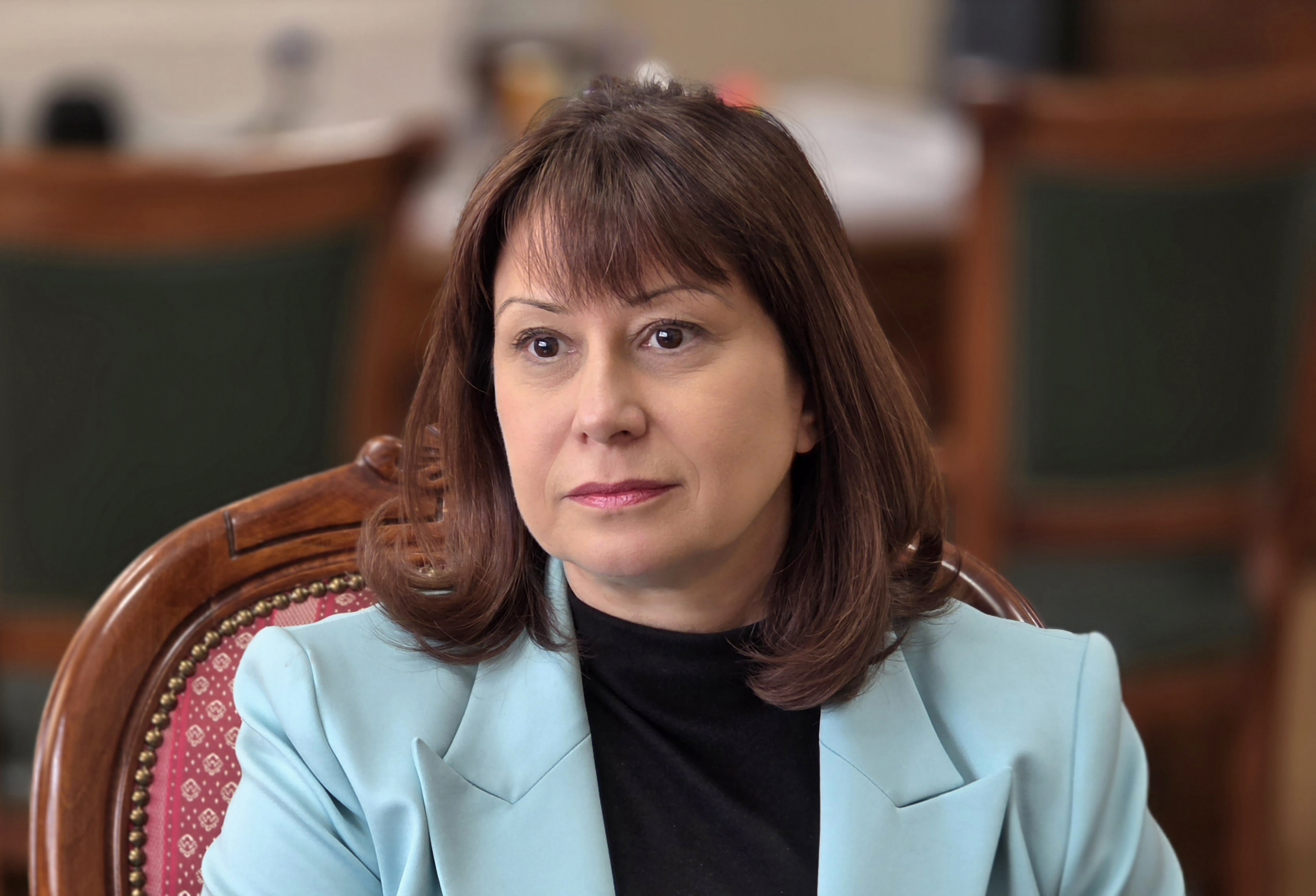
Ombudsman Velislava Delcheva: The digitalisation of TELK should not be a barrier for people with disabilities
24 June 2026
Ombudsman Velislava Delcheva sent an opinion to National Assembly Chair Mihaela Dotsova, the committees on health care, labour, and demographic and social policy, as well as to the relevant ministries regarding the bill amending and supplementing the Health Act. The bill provides for the introduction of electronic administrative procedures for medical examinations and the creation of a mechanism for automated risk assessment regarding the unlawful determination of permanently reduced work capacity or the type and degree of disability.
In her statement, the Ombudsman generally supports efforts to modernise administrative processes and digitise services in the healthcare sector, provided that these efforts lead to improved access to services for citizens, a reduction in the administrative burden, and shorter processing times for decisions by the competent authorities.
At the same time, she stresses that the proposed changes affect a procedure on which the exercise of a number of fundamental rights of people with disabilities and individuals with permanently reduced working capacity depends—social assistance, access to health care, employment, and full participation in public life.
“The digitalisation of health care services should be implemented in a way that does not restrict access to treatment and does not create new barriers for the most vulnerable groups of citizens,” Velislava Delcheva states firmly.
She points out that medical examination procedures involve the processing of a large volume of sensitive information, including data on citizens' health status.
She therefore instists that the bill must ensure a high level of protection for personal and health data, restricted access to information—limited solely to authorised persons—and traceability of access to electronic records, reliable cybersecurity mechanisms, and full compliance with national and European legislation on personal data protection.
“It should be explicitly stated that automated risk assessment cannot serve as a basis for restricting rights or for automatically calling into question the validity of an expert medical decision without a subsequent individual review by a competent authority,” writes Delcheva.
According to the Ombudsman, the proposed system must comply with the principles of transparency in the evaluation criteria, traceability and verifiability of the algorithms and indicators used, the prevention of discriminatory results, and the presence of human oversight over every decision based on automated analysis. The affected individual must also be guaranteed the opportunity to receive information regarding the grounds for the actions taken, as well as the right to object and to effective protection.
Velislava Delcheva also stressed the need to consult with nationally representative organisations of and for people with disabilities, patient organisations, and the medical community before the bill is finally adopted.
In conclusion, the Ombudsman supports the bill’s fundamental focus on digitalisation, improving the efficiency of administrative processes, and limiting opportunities for misuse in the medical examination system, while at the same time calling for additional safeguards to protect citizens’ rights.
“Only with sufficient legal and organisational safeguards can the bill’s objectives be achieved without creating a risk of restricting the rights of people with disabilities and citizens who use medical examination services,” Delcheva points out.
OMBUDSMAN'S RECEPTION-ROOM
- address: 22 George Washington str.,
1202, Sofia - phone: (+359 2) 810 6955; fax: (+359 2) 810 6963
- e-mail: priemna@ombudsman.bg
PRESS CENTER OF THE OMBUDSMAN
- phone: (+359 2) 810 6913
- e-mail: press@ombudsman.bg