News
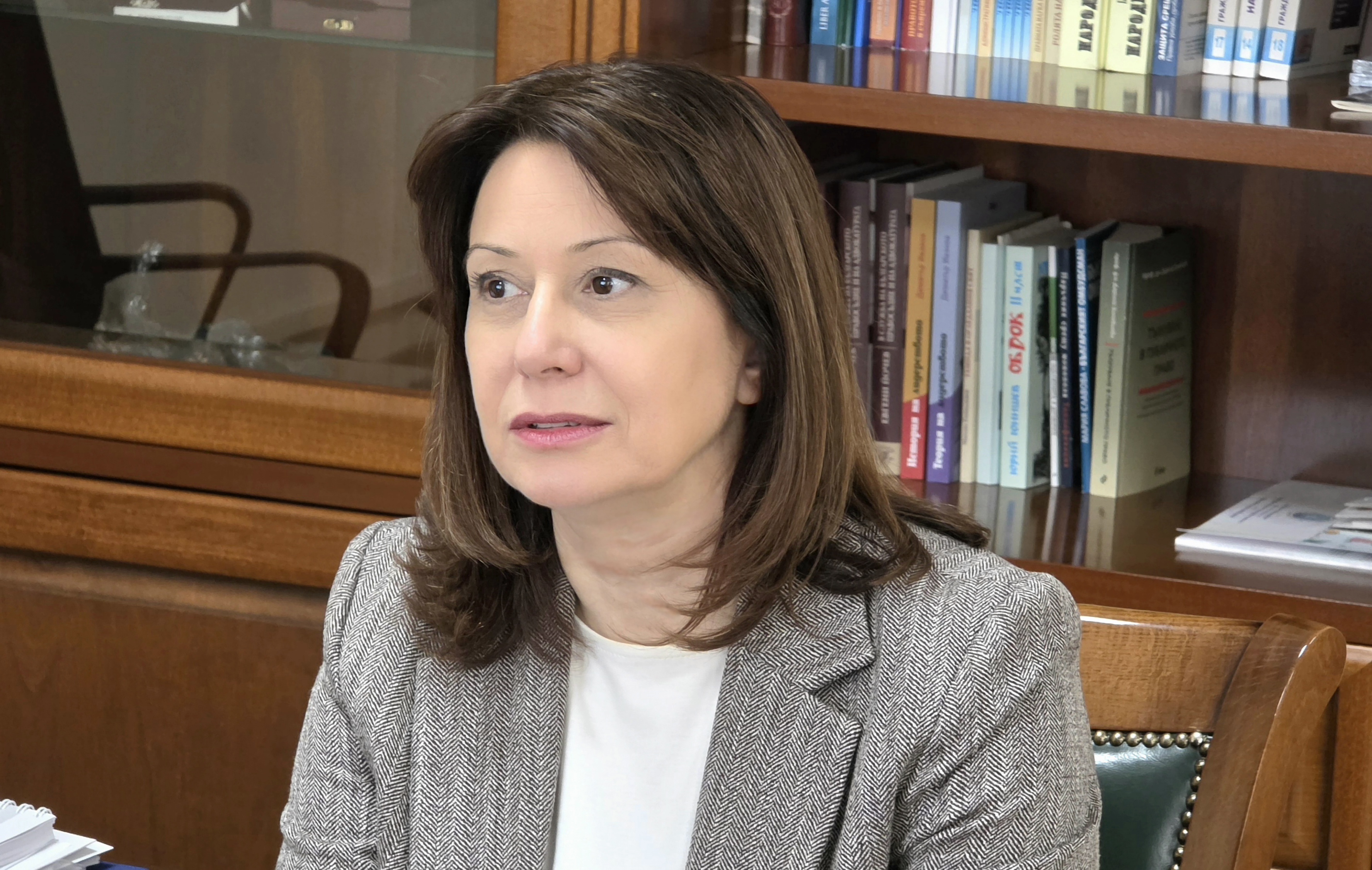
Ombudsman Velislava Delcheva: The draft of the new formula for heating systems in condominium buildings is a repeat of the old one
6 April 2026
Ombudsman Velislava Delcheva sent a opinion to the acting Minister of Energy, Traicho Traikov, regarding the draft amendment to the Ordinance on the formula for calculating building heating systems, which was published for public consultation on 13 March 2026.
In her opinion, the Ombudsman emphasises that a fundamental right of heat energy customers is to pay for actual measured and recorded consumption in their properties. Pursuant to Article 63, paragraph 2, item 2, subparagraph “bb” of the Ordinance, the amount of heat energy supplied by the building heating system can be accurately measured.
In this regard, the Ombudsman maintains her repeatedly stated position on the issue under discussion: if the amount of heat energy emitted by a building’s infrastructure can be measured accurately, it follows logically that all other methods for determining it should be discarded.
According to Velislava Delcheva, the proposed amendments essentially replicate the formula for calculating the heat energy emitted by the building’s heating system—which has already been suspended by the court—with only technical clarifications made to the parameters.
“There has been a formal change, but the identified problems have not actually been resolved,” the opinion states.
Delcheva points out that there is no convincing justification for key elements in the formula, including the equalisation of coefficients for different types of indoor heating systems, as well as the method for determining the adjustment values. In her words, this calls into question the accuracy and fairness of cost allocation among consumers.
The Ombudsman further emphasises that the draft does not sufficiently account for the effect of energy efficiency measures on actual consumption.
“In their current form, the proposals do not guarantee transparency and fair billing of individual consumption,” the opinion further states.
The proposed requirement to inform consumers monthly about the parameters used in the calculations is seen as a positive step, but according to the Ombudsman, this does not compensate for the draft’s fundamental weaknesses.
The opinion also calls for a change in the provisions that allow—but do not require—heat supply companies to reduce capacity when buildings’ energy efficiency improves, noting that this measure should be made mandatory in the interest of citizens.
In conclusion, Velislava Delcheva emphasises that the changes, while urgent, are insufficient and do not meet expectations for real consumer protection, including in light of the case law of the Court of Justice of the European Union.
OMBUDSMAN'S RECEPTION-ROOM
- address: 22 George Washington str.,
1202, Sofia - phone: (+359 2) 810 6955; fax: (+359 2) 810 6963
- e-mail: priemna@ombudsman.bg
PRESS CENTER OF THE OMBUDSMAN
- phone: (+359 2) 810 6913
- e-mail: press@ombudsman.bg