News
Ombudsman Velislava Delcheva: The right to vote for people with disabilities must be a genuine right, not just a facade
3 April 2026
Ombudsman Velislava Delcheva: The right to vote for people with disabilities must be a genuine right, not just a facade
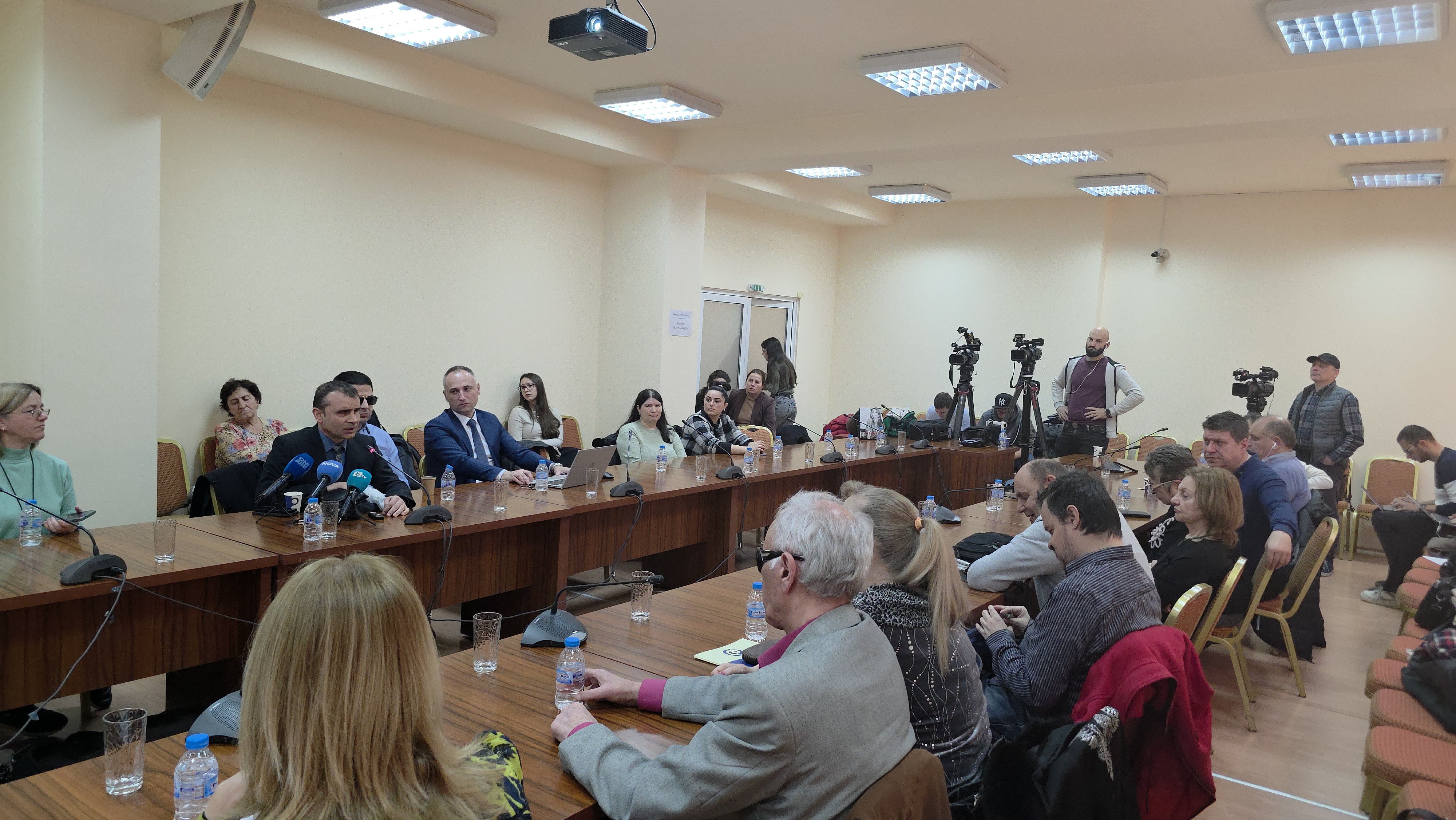
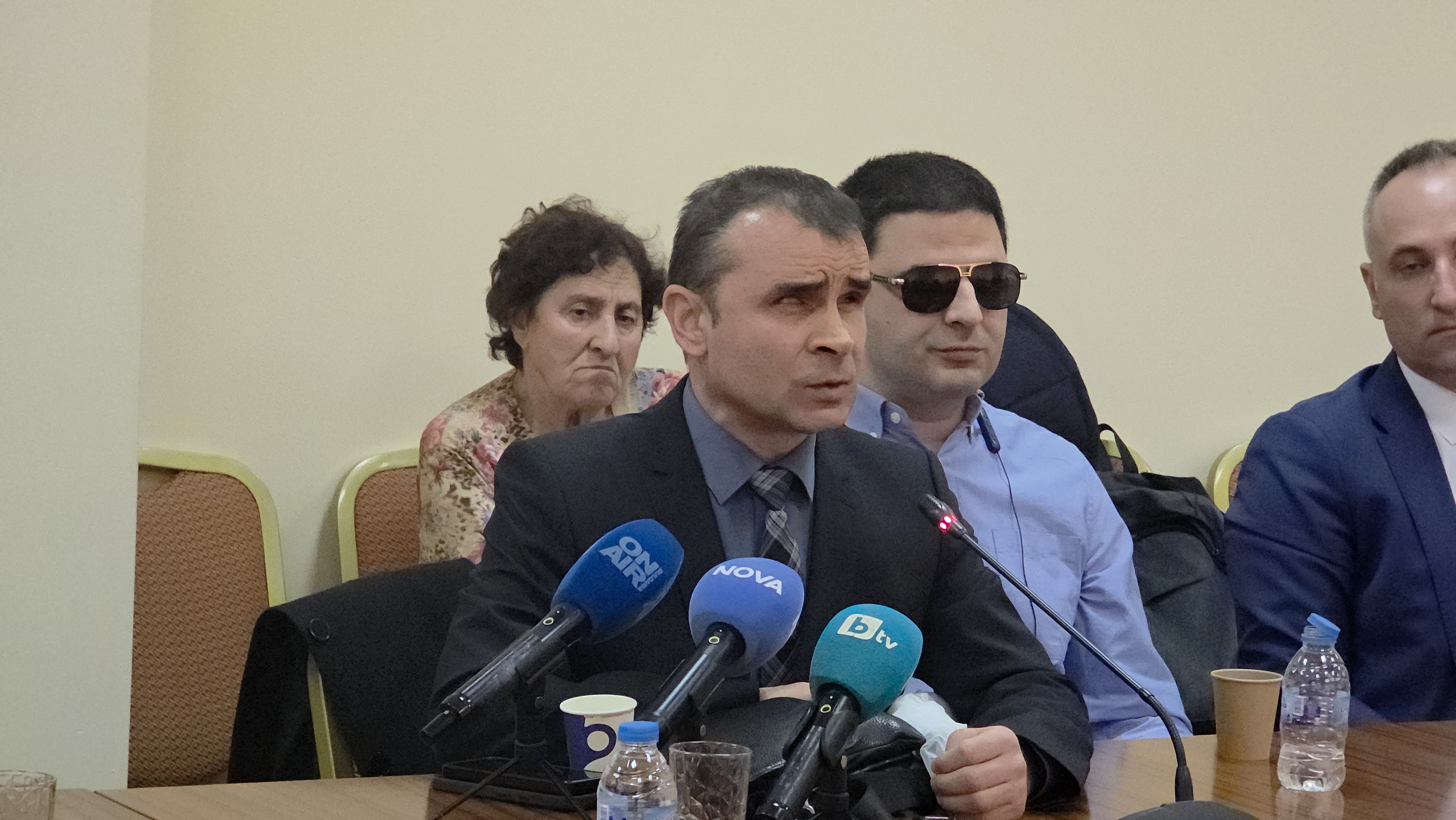
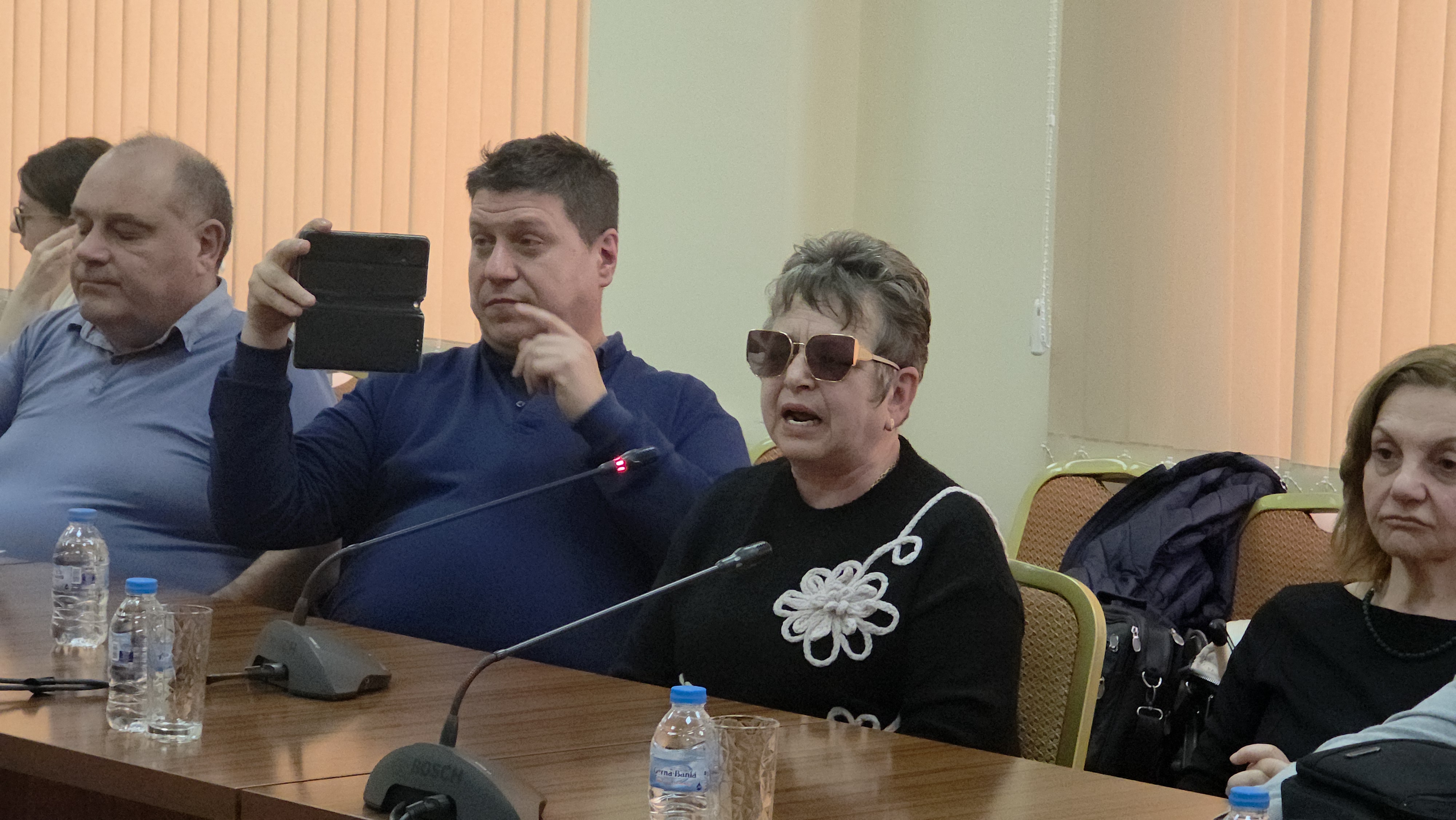
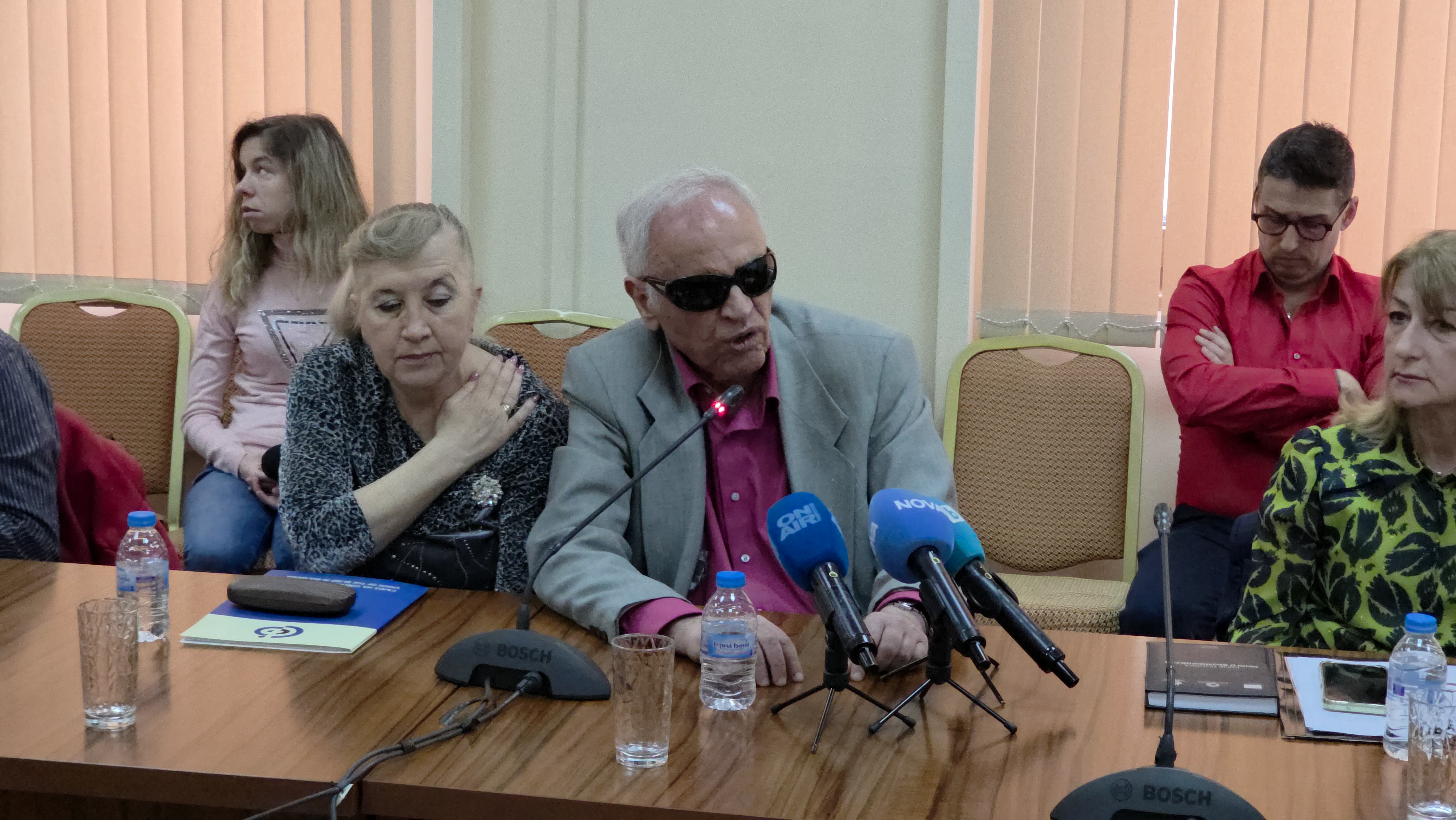
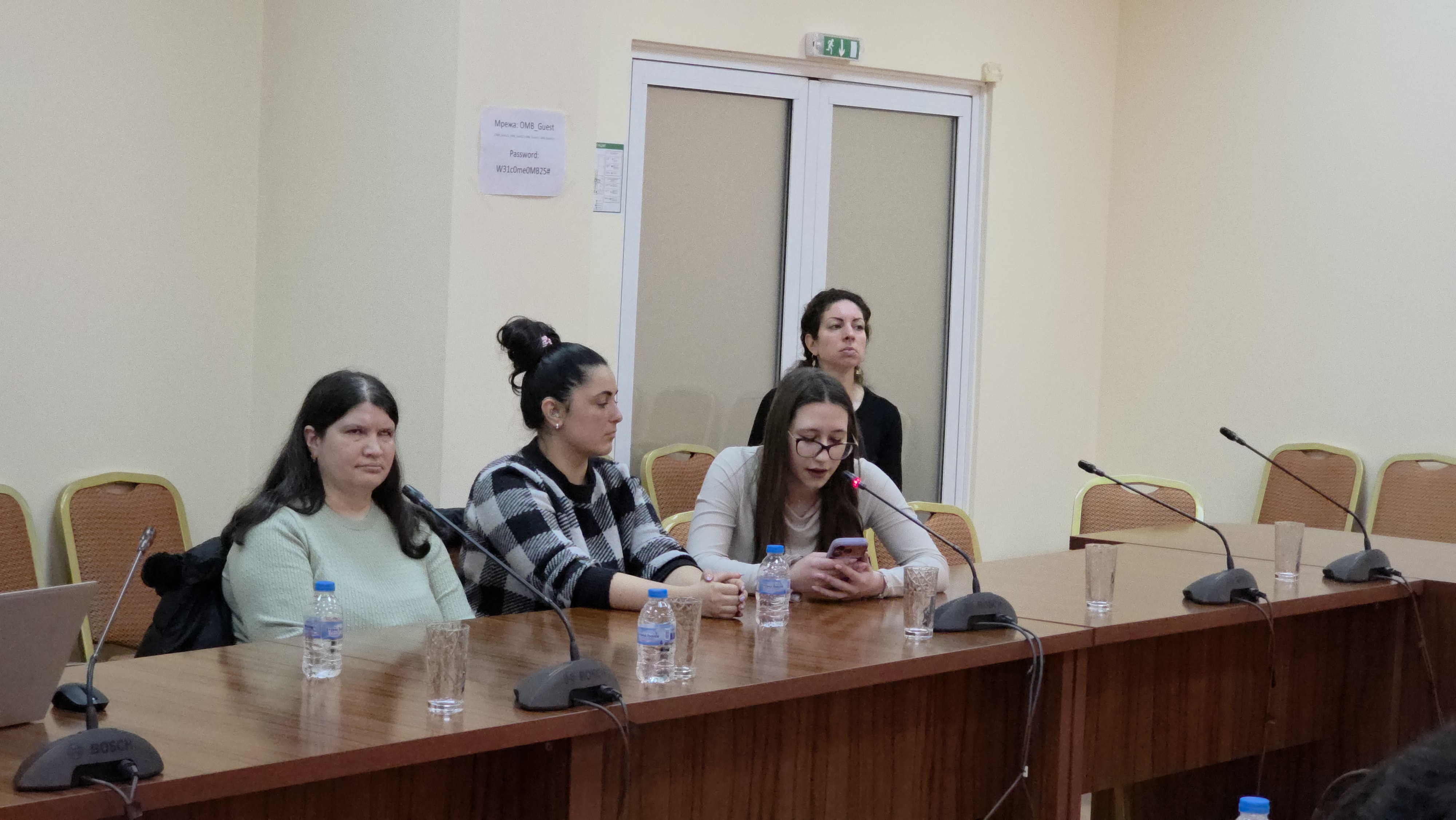
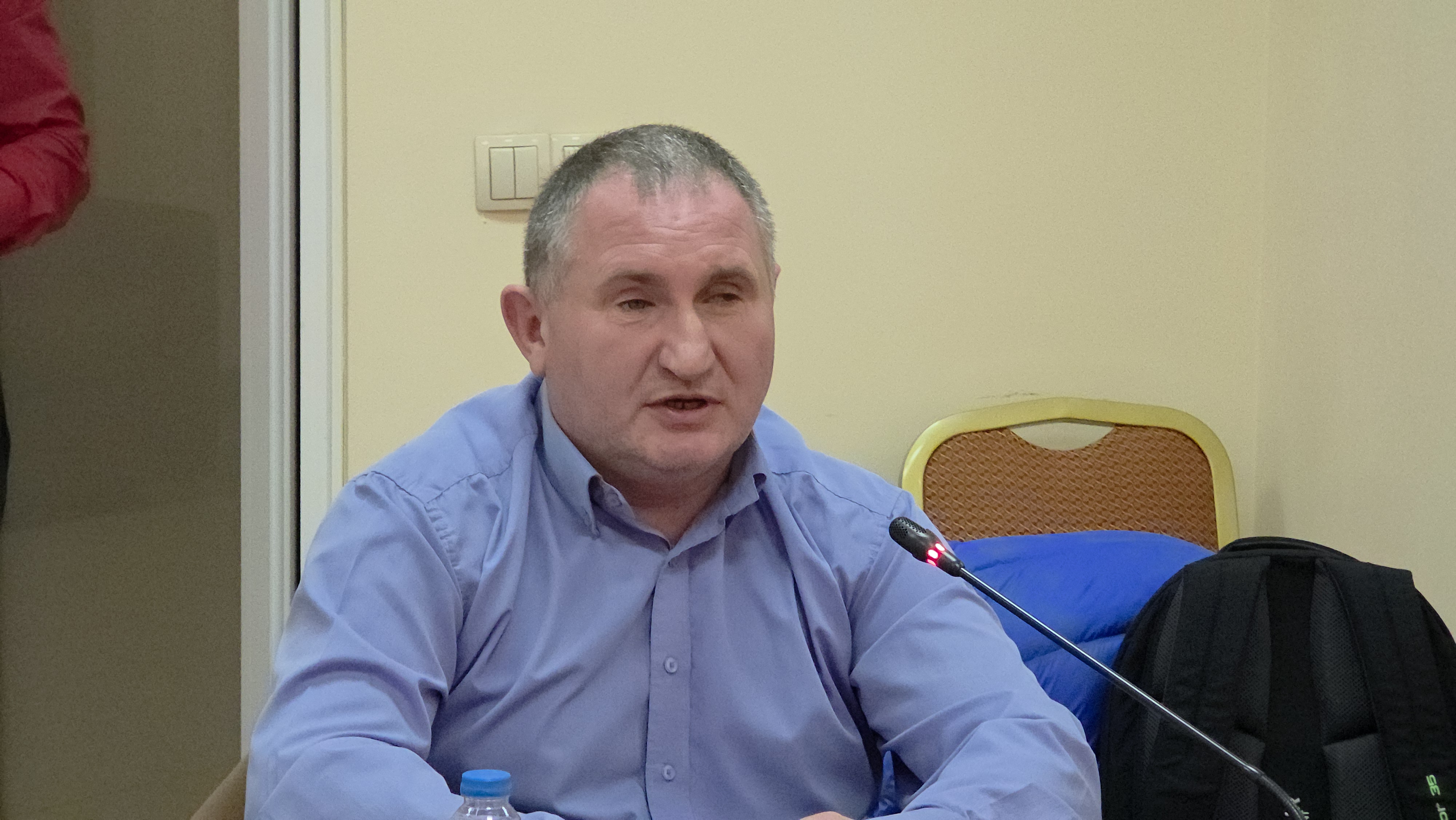
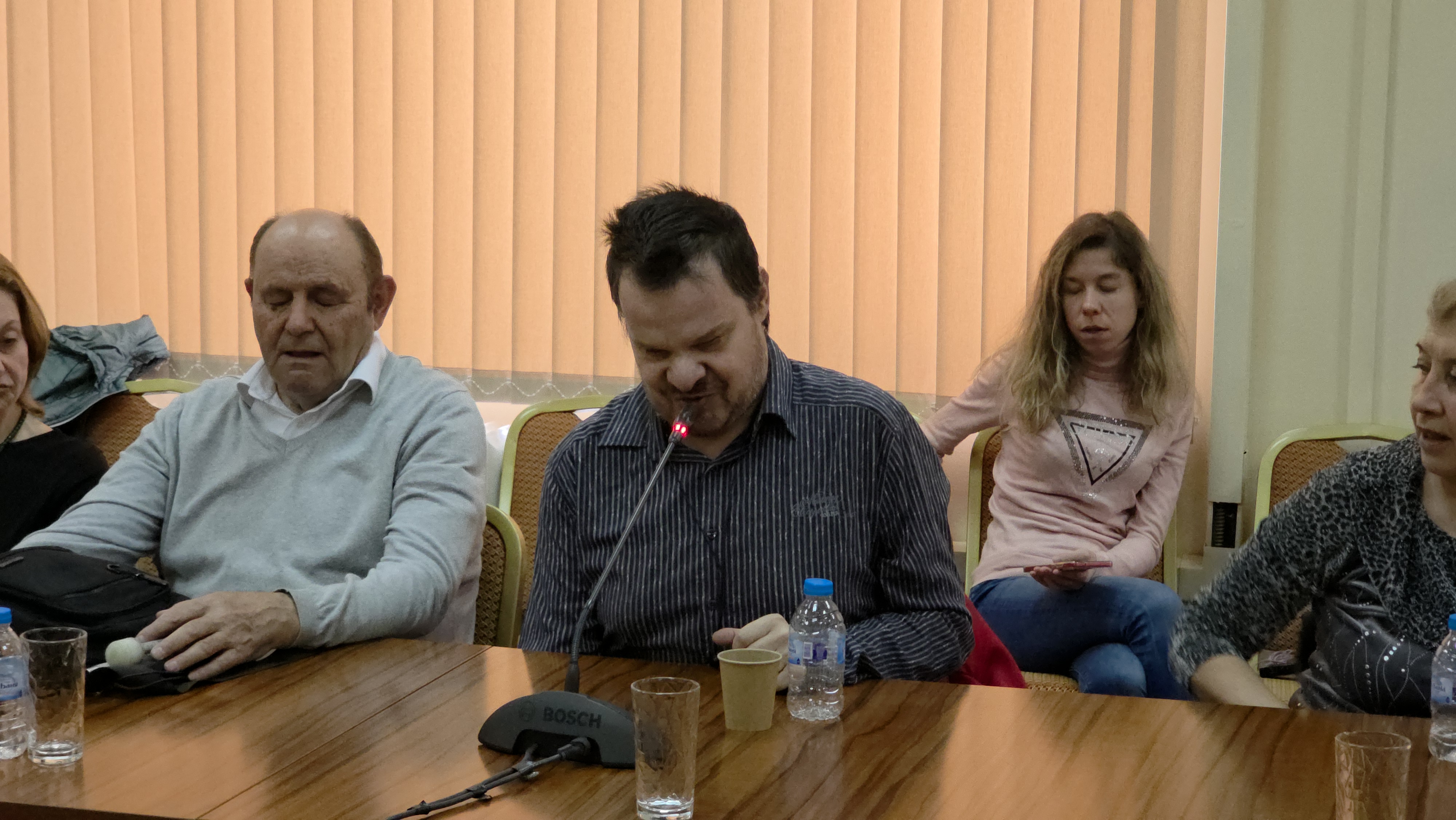
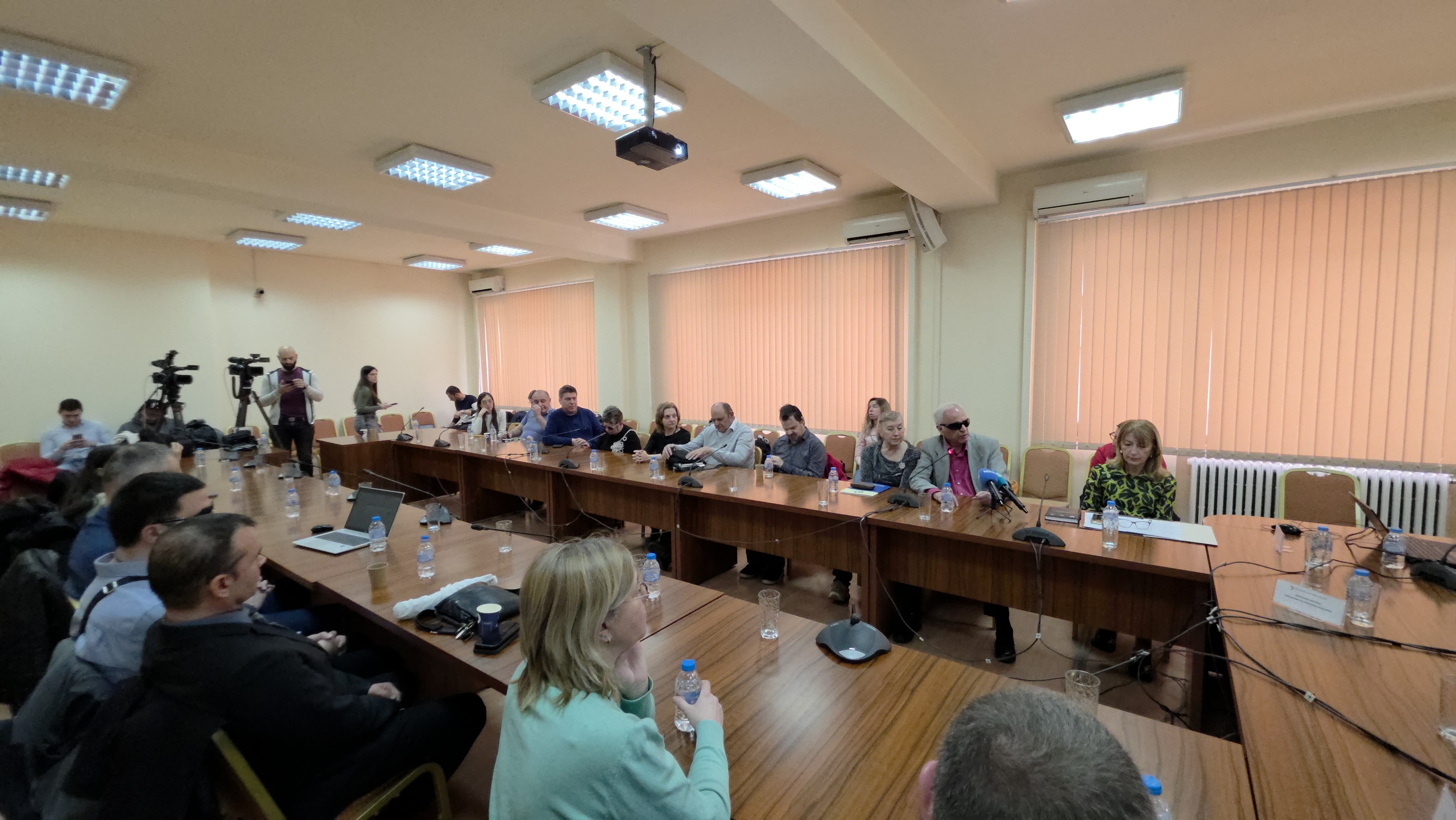
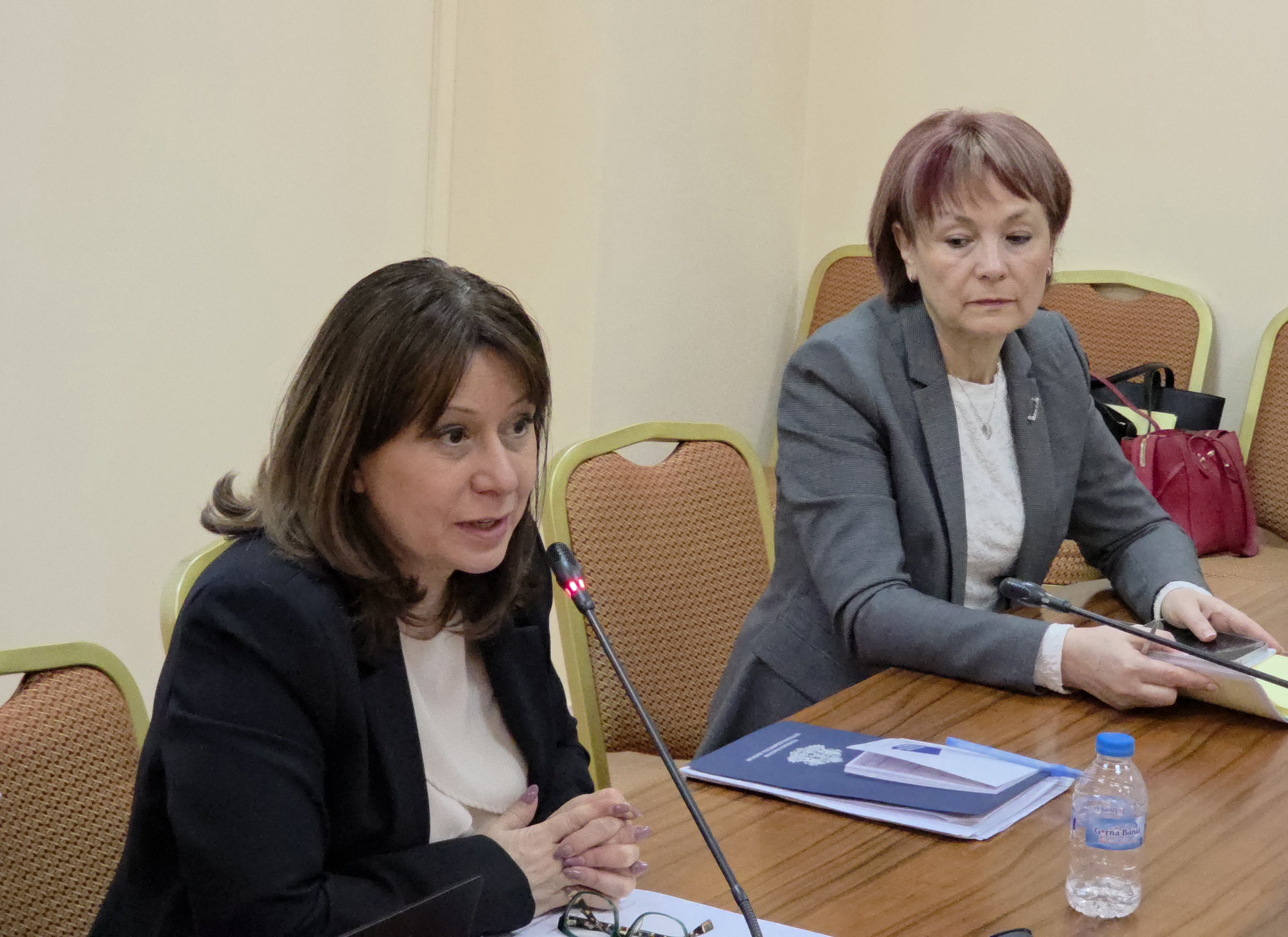
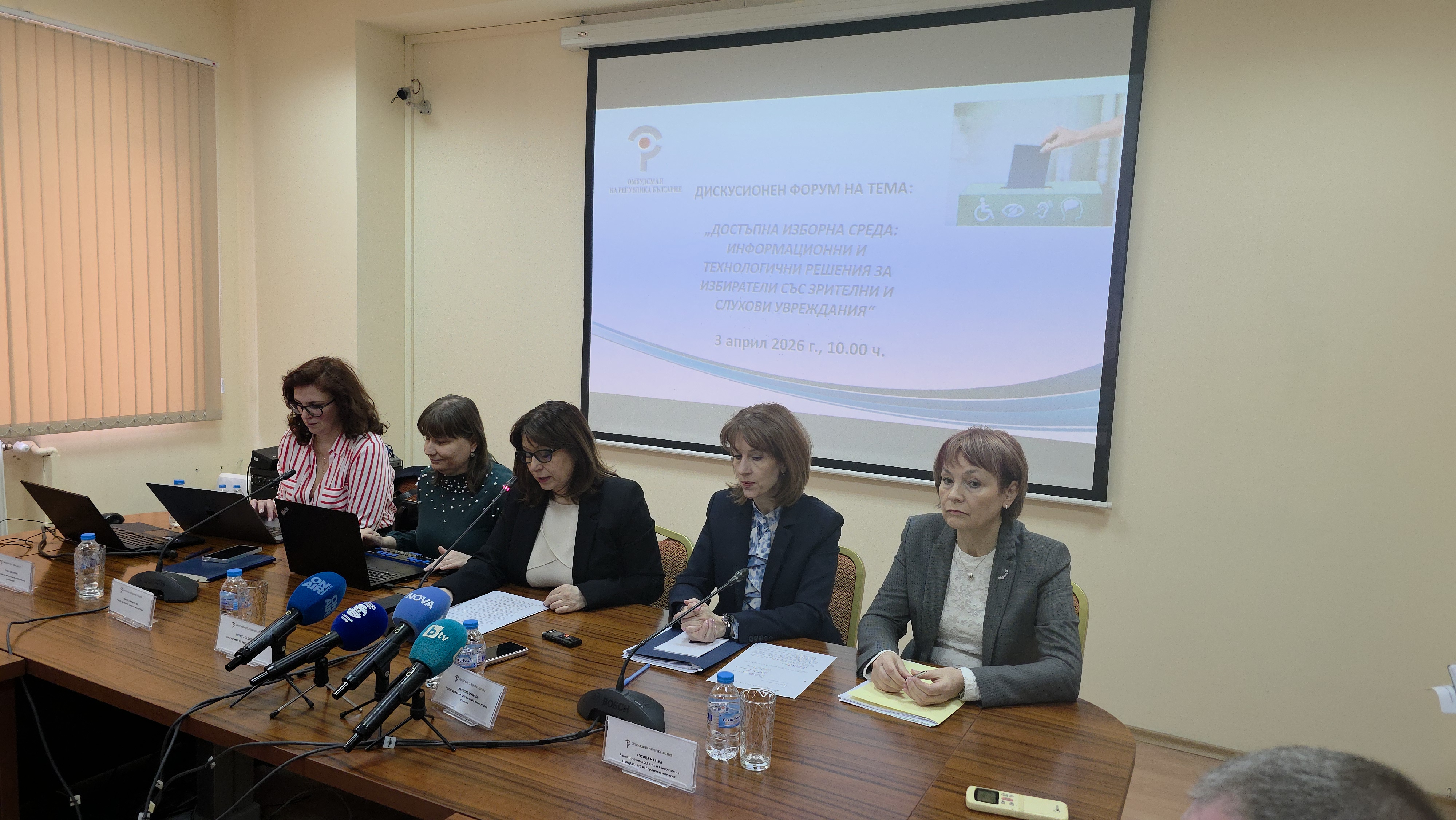
“The right of people with disabilities to vote must be a genuine one, whereas at present it is more of a formality—if not merely a facade.” With these words, Ombudsman Velislava Delcheva opened the forum “Accessible Electoral Environment: Information and Technology Solutions for Voters with Visual and Hearing Impairments,” organised by the Ombudsman Institution.
The purpose of the discussion was to assess, on the eve of the upcoming parliamentary elections, the readiness of government institutions and local authorities to ensure an accessible electoral environment and adequate voting conditions for people with disabilities. The focus was on the need for accessible information, digital solutions, and physical aids to guarantee the secrecy of the vote and the right to an informed and independent choice.
The discussion focused on options for accessible solutions for blind and visually impaired voters, including Braille templates and audio instructions for machine voting, providing sign language interpretation and video instructions for deaf and hard-of-hearing voters, as well as conducting information campaigns in accessible formats and training polling station election commissions.
Velislava Delcheva highlighted the fact that the Ombudsman Institution had been raising these issues for years—through recommendations, opinions, and reports to the relevant institutions—with her most recent recommendation, dated 25 February, addressed to the Central Election Commission and the acting Prime Minister, in which she insisted on concrete measures.
In her statement, she emphasised that the issue of voting rights for people with sensory disabilities remained sensitive and long overdue. Although the Constitution and the law guarantee every citizen the right to participate in elections, in practice the conditions have not yet been created for this right to be exercised with dignity, independently, and on an equal footing.
Delcheva expressed her hope that concrete and effective measures would be taken to improve this situation as early as the next election.
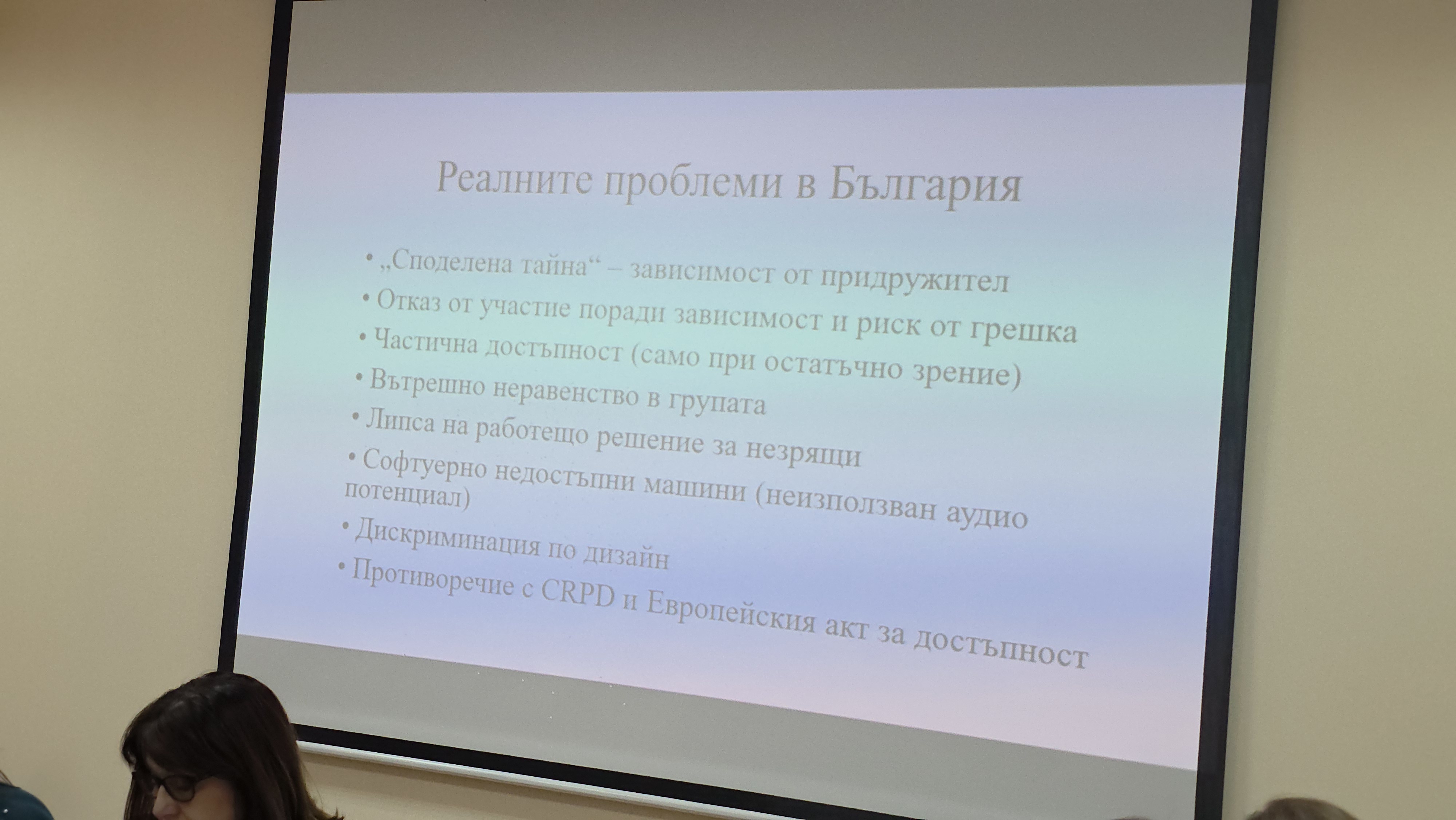
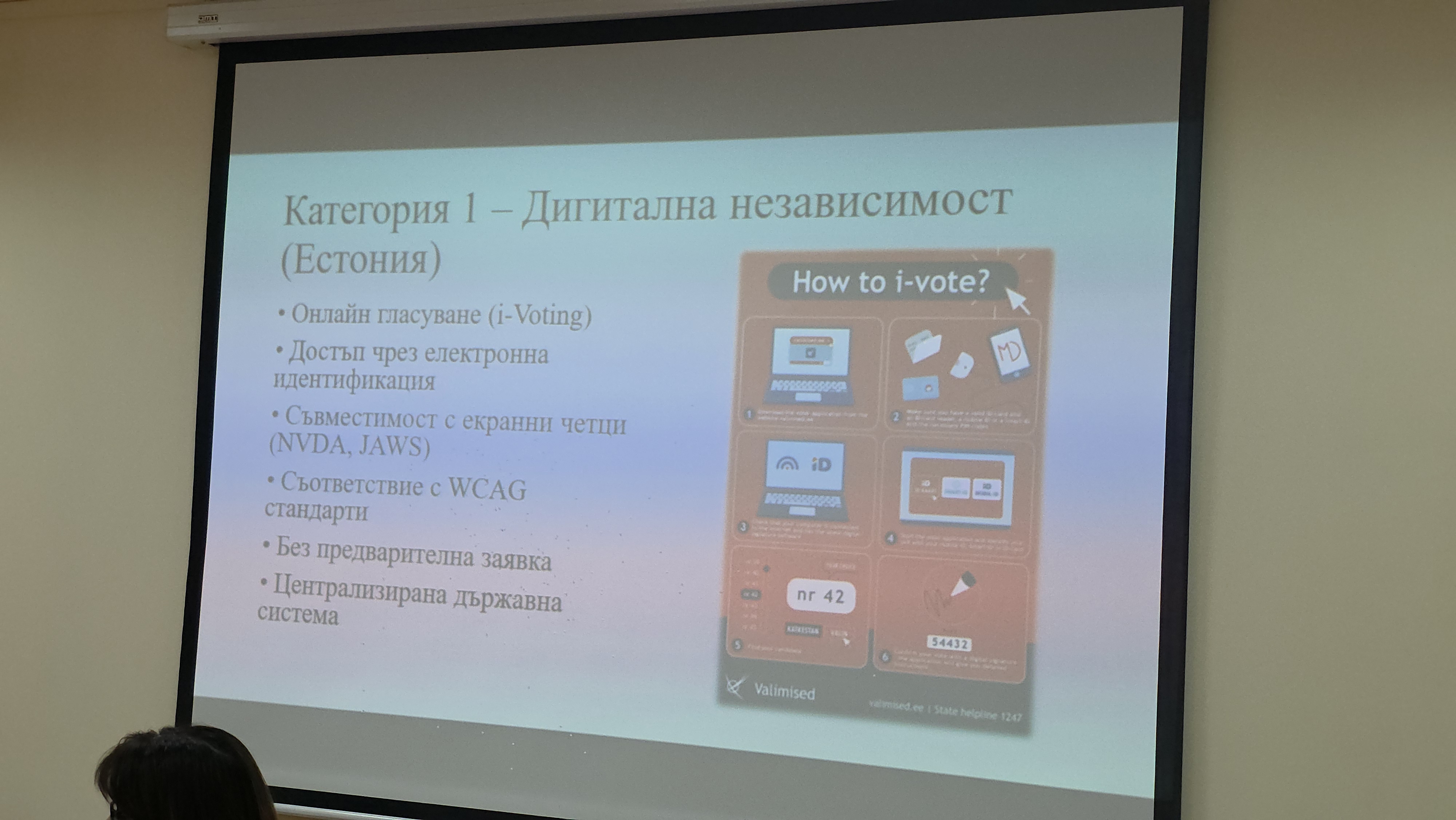
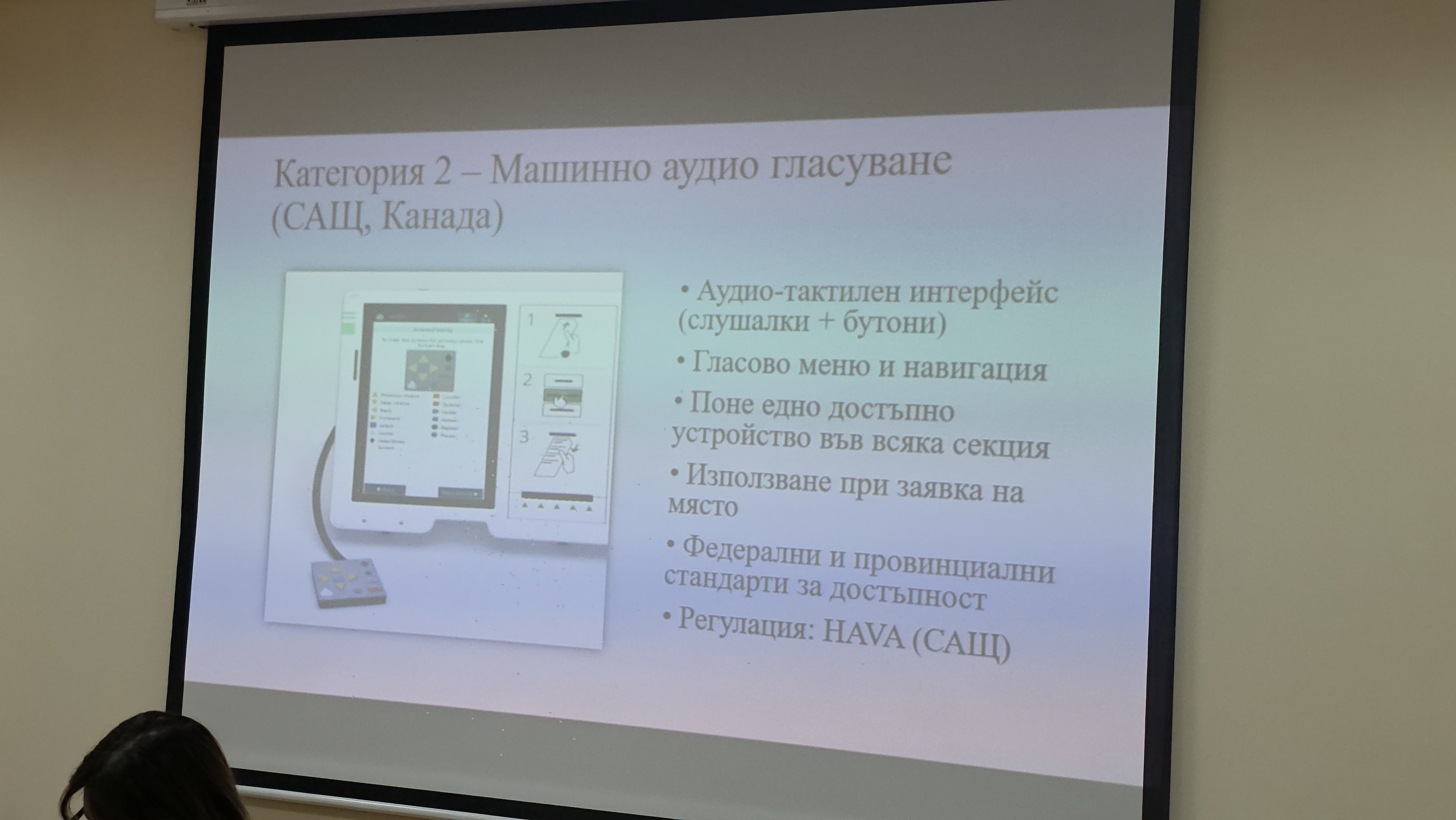
During the discussion, Rumyana Dimitrova—author of the project “The Voice Behind the Eyes”—presented a study on best practices for accessible voting in countries such as Estonia, Ireland, the United States, Australia, and others.
The Central Election Commission emphasised the need for significant improvements in accessibility at polling stations. It was noted that the current organisation of the electoral process often prevents people with sensory disabilities from voting independently and without the risk of having to rely on an assistant. In this regard, reports of unethical practices were also noted.
The Ministry of eGovernment presented QR codes designed to provide access to information for election participants via mobile devices and assisted technologies. They pointed out that the solution would be free of charge, require no additional resources, and could be provided to district election commissions. It was noted, however, that while it would help inform voters with visual impairments, it would not fully resolve the issue of physically exercising the right to vote.
A concept was also presented for developing a remote voting solution for the visually impaired using mobile devices, while ensuring the anonymity of the vote. Work on this is expected to begin after the conclusion of the current election cycle.
CEC Chair Kameliya Neykova expressed readiness to analyse all proposals and take specific measures, including the introduction of tactile ballot templates, the activation of audio features in machine voting, and the strengthening of cooperation with organisations representing people with visual and hearing impairments.
“The ideas gathered will be submitted to Parliament to be incorporated into future amendments to the Election Code, which should come into effect for the upcoming presidential elections this fall,” the Ombudsman noted.
OMBUDSMAN'S RECEPTION-ROOM
- address: 22 George Washington str.,
1202, Sofia - phone: (+359 2) 810 6955; fax: (+359 2) 810 6963
- e-mail: priemna@ombudsman.bg
PRESS CENTER OF THE OMBUDSMAN
- phone: (+359 2) 810 6913
- e-mail: press@ombudsman.bg