News
Ombudsman Velislava Delcheva: There is still a gap between legal safeguards and the actual protection of women
26 August 2026
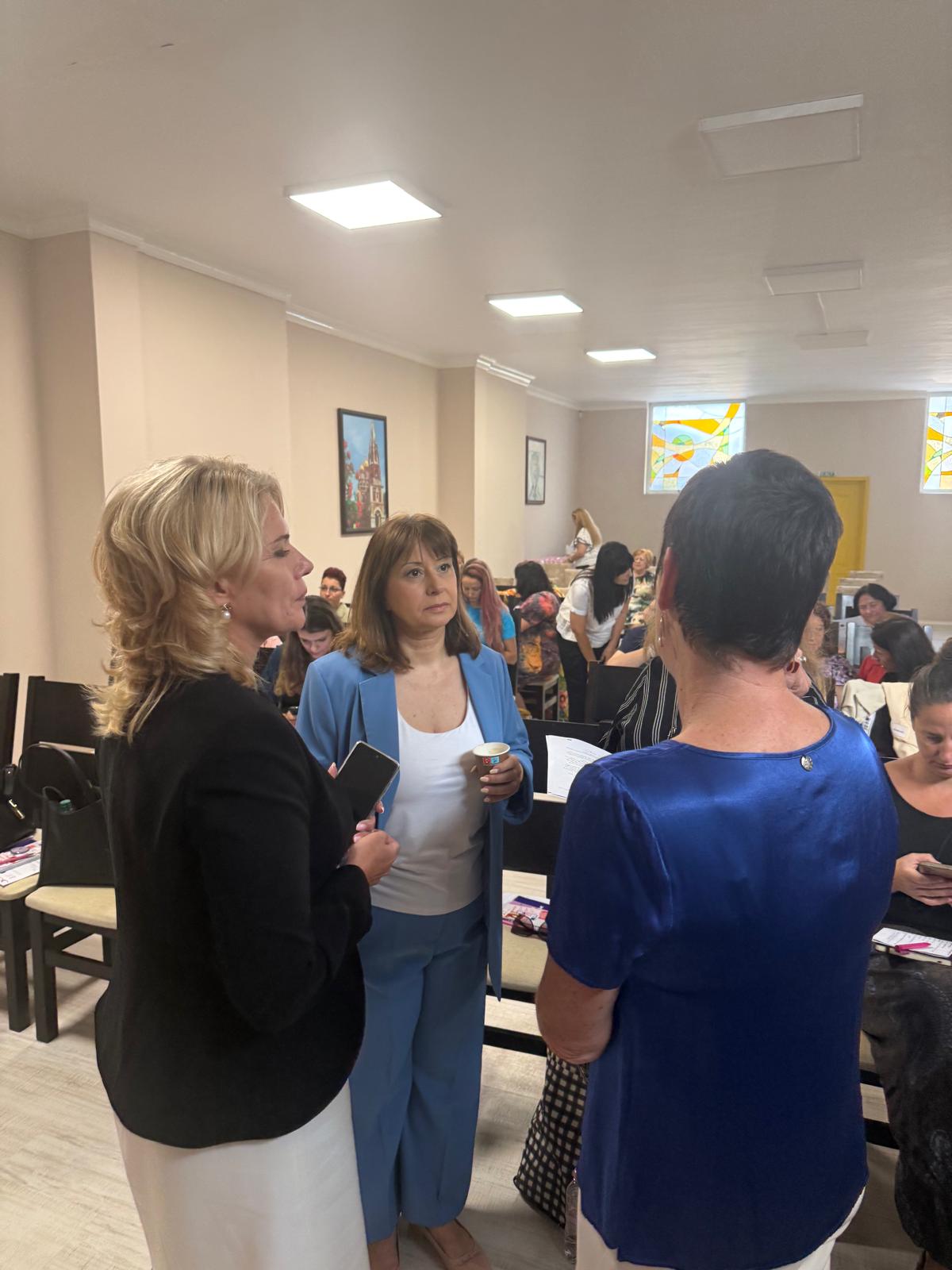
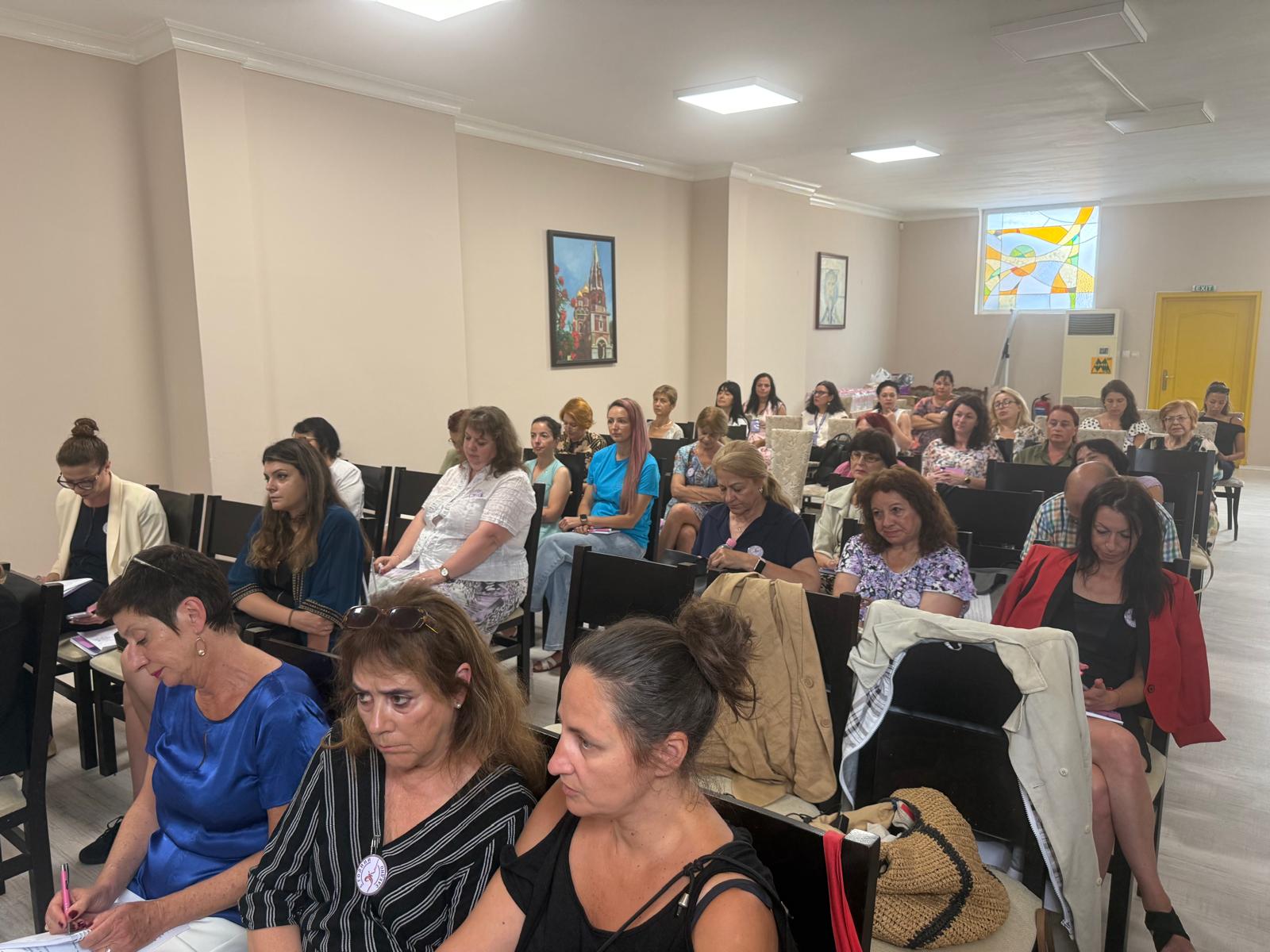
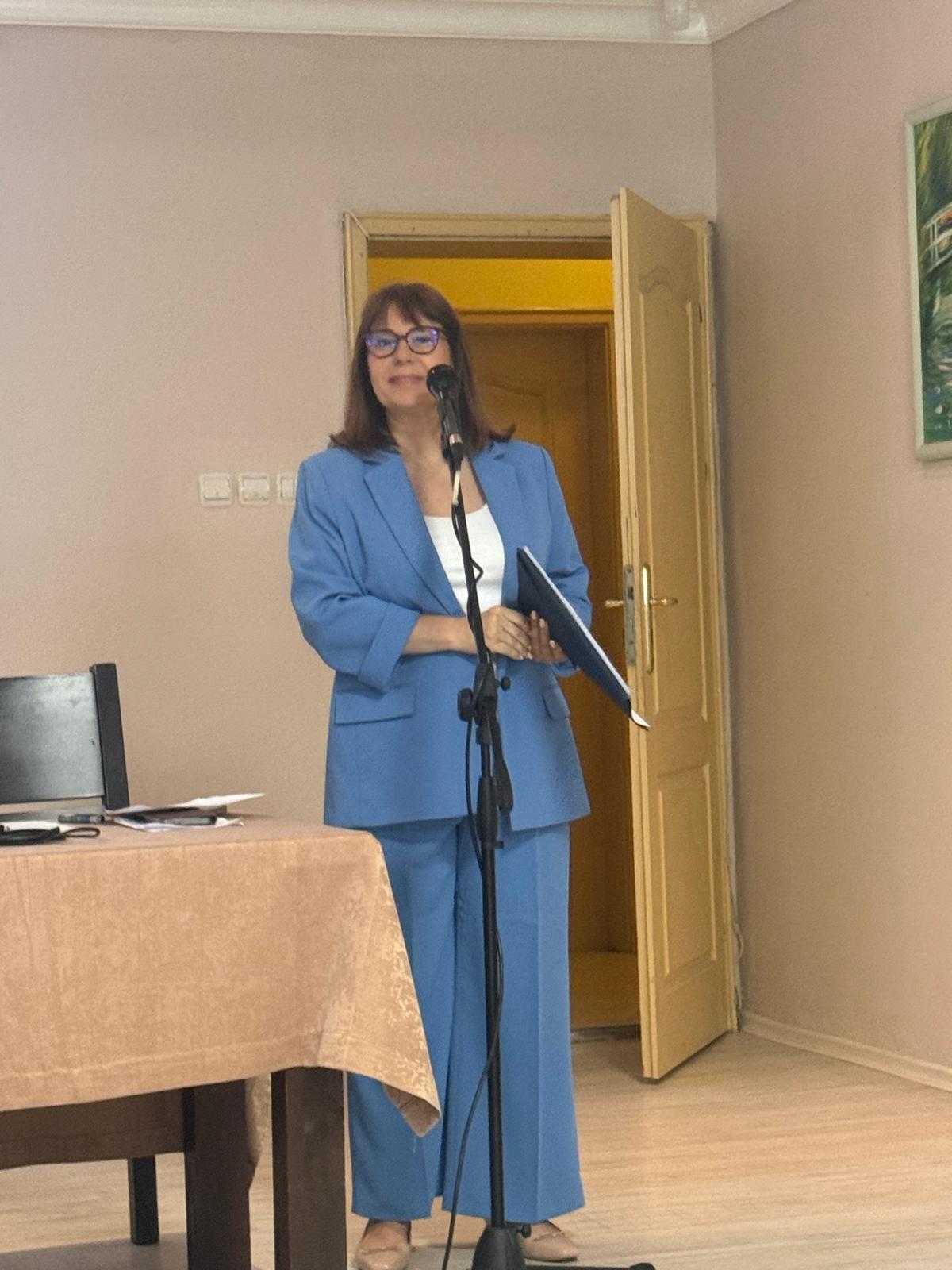
Ombudsman Velislava Delcheva took part today in the ‘Voices of Women’ conference in Kazanlak, where she highlighted the discrepancy between the rights guaranteed by law and women’s actual ability to receive timely and effective protection.
“We have laws. We have rules. We have institutions. But the real question is what happens to a woman when she actually needs protection. Does she know who to turn to, will anyone listen to her, and will she receive help in time?” emphasised the Ombudsman.
Delcheva highlighted five key areas where the link between legal safeguards and actual protection was still being broken.
The first step is recognising the problem. Formally equal rights do not always lead to actual equality. A woman may have the same rights in the workplace, but after maternity leave her career path may change, she may receive lower pay, or her report of violence may be dismissed as a ‘personal conflict’ .
The second issue is whether protection measures actually work. According to data from the Ministry of the Interior, included in the Ombudsman’s Annual Report for 2025, the courts issued 5,102 protection orders, whilst 476 breaches of protection orders were recorded.
“We cannot stop at the point where the court has granted protection. A decision that is not enforced remains merely a piece of paper,” said Velislava Delcheva.
She also drew attention to the limited access to legal aid. In six regional cities, there is no option for free legal advice via a regional advice centre, whilst the national legal aid helpline is a paid service and calls are limited to twenty minutes.
The third bottleneck is access to practical assistance and services. The coordination mechanism for assistance and support to victims, which was due to come into effect at the start of 2024, was not adopted until November 2025. The development of the unified national information system is still pending, whilst in 2025, funding was provided for nine specialised services.
By the end of 2025, 11 regions had no operational crisis centre, 17 regions had no crisis centre for adults, and 13 regions had no crisis centre for children.
The Ombudsman also raised the issue of the lack of consistent and reliable statistics. Civil society organisations have documented at least 24 cases of women murdered by men that were reported in the media in 2025, whilst the Ministry of the Interior has recorded two cases of women killed in incidents of domestic violence.
Delcheva emphasised that the data measure different categories and cannot be directly compared, but the huge discrepancy highlights the need for comprehensive and consistent statistics.
The fourth impediment is stereotypes. There is still a perception that violence is ‘real’ only when it is physical and visible, or that a woman who is genuinely afraid will inevitably leave immediately.
“People do not experience fear according to a textbook. It is the job of the institutions to assess the facts and the risk, not whether a woman fits someone’s idea of how a victim should look or behave,” said the ombudsman.
The fifth point is that not all women start from the same place. Women with disabilities, older women, women in small towns, those without their own income, those facing a language barrier, or those who are sole carers for their children, face additional challenges in accessing their rights and protection.
In her speech, Velislava Delcheva also placed the issue in a European context. She referred to the European Commission’s new Strategy for Gender Equality 2026–2030, which focuses not only on creating new rules but also on the effective implementation of legislation already in place. Priorities include combating violence against women, including online violence; reducing the pay and pension gaps; improving access to healthcare; promoting women’s participation in science, innovation and entrepreneurship; and ensuring their safe participation in political life.
The Ombudsman also cited the assessment by the European Institute for Gender Equality, according to which, if progress continues at the current rate, it will take the European Union a further 50 years to achieve full equality between women and men.
“For me, as Ombudsman, the criterion is simple: it is not how many rules we have adopted, but whether a woman in need of protection actually receives it, in good time, close to where she lives, and without being forced to go from one institution to another on her own,” emphasised Velislava Delcheva.
OMBUDSMAN'S RECEPTION-ROOM
- address: 22 George Washington str.,
1202, Sofia - phone: (+359 2) 810 6955; fax: (+359 2) 810 6963
- e-mail: priemna@ombudsman.bg
PRESS CENTER OF THE OMBUDSMAN
- phone: (+359 2) 810 6913
- e-mail: press@ombudsman.bg