News
The Ombudsman: Children with special educational needs attend fewer than 50% of classes—guarantees are needed to ensure genuine access to education
10 March 202
In some cases, children with special educational needs (SEN) attend fewer than 50% of classes in primary school and fewer than 70% in secondary school, which calls into question their ability to acquire the necessary general education.
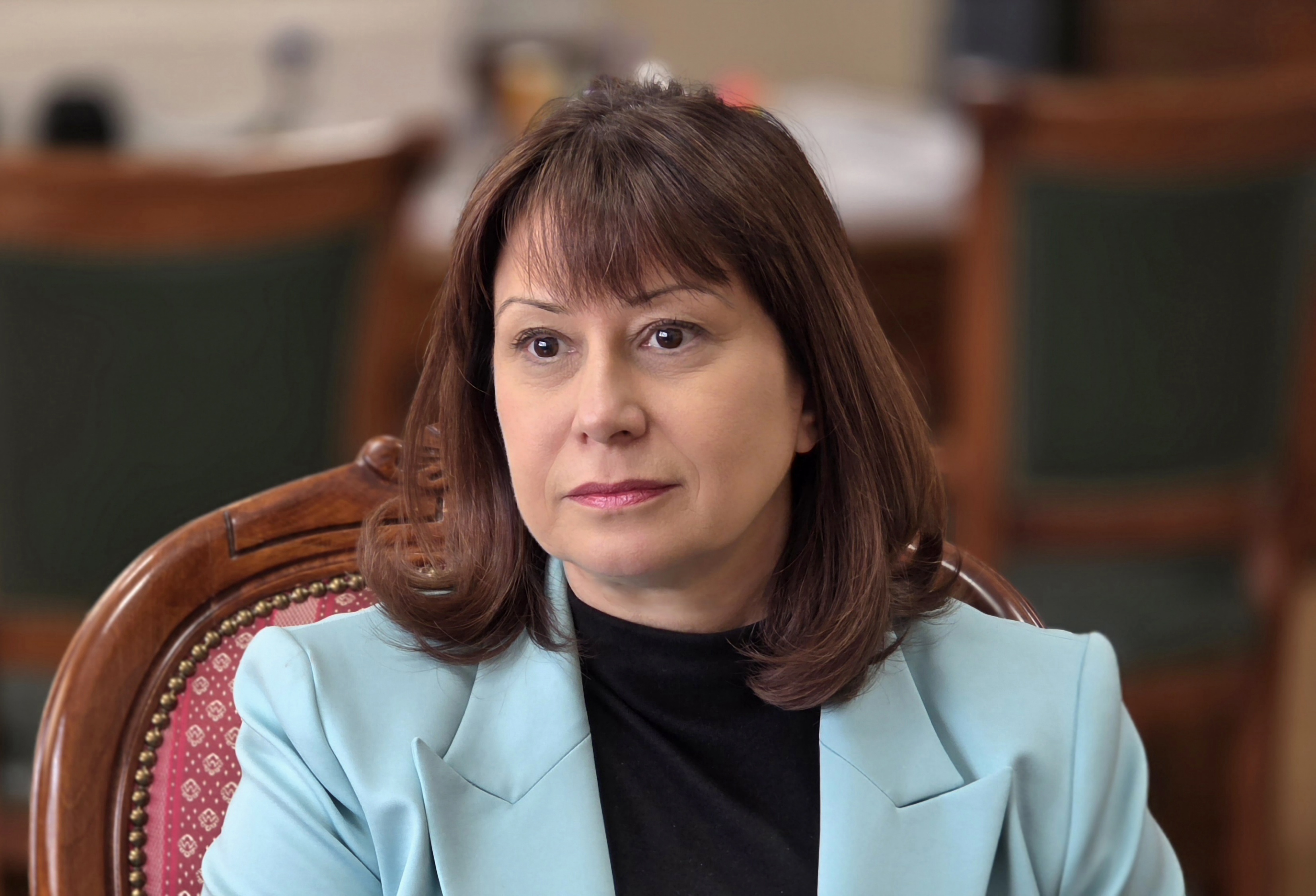
In some cases, there have even been reports of pressure being put on parents to sign individual education plans with a minimum number of hours so as not to “disrupt” the learning of the other students in the class. At the same time, parents often find themselves excluded from the individual education planning process. A number of complaints filed with the Ombudsman over the years highlight problems with individual education plans, which is why Public Defender Velislava Delcheva has issued a statement supporting the draft amendment to Ordinance No. 4 of 2015 of the Ministry of Education and Science regarding the curriculum. The proposed changes introduce a minimum framework for the curriculum of students with SEN and limit the possibility of arbitrarily reducing class hours.
Velislava Delcheva stresses that she pays particular attention to protecting the rights of children with special educational needs, children with disabilities, children of Roma origin, as well as refugee children and those seeking protection. It is precisely these groups that are most often at risk of poor educational outcomes, early dropout from the education system, and limited opportunities for educational integration.
The Ombudsman notes that as early as 2024, she issued a recommendation to the Minister of Education and Science to take urgent action to ensure the effective implementation of individual education plans. Inspections by the institution show that the current regulatory framework allows for both the exclusion of entire subjects and a significant reduction in learning time.
According to the Ombudsman, the proposed amendments represent an important and long-awaited step toward better protection of the right to education for students with special educational needs. The introduction of a new paragraph in Article 21 will limit the possibility of “arbitrary and subjective” reductions in learning hours, thereby guaranteeing a minimum number of learning hours.
The changes also provide for stricter conditions for excluding subjects from the individual education plan; a medical document, a reasoned recommendation from the personal development support team, and informed parental consent will be required. This will ensure greater transparency and parental involvement in the individual educational planning process.
In her opinion, the Ombudsman also proposes additional measures—specialized training for teachers on developing adapted curricula, methodological guidelines for school principals, and systematic monitoring of the implementation of the new requirements.
OMBUDSMAN'S RECEPTION-ROOM
- address: 22 George Washington str.,
1202, Sofia - phone: (+359 2) 810 6955; fax: (+359 2) 810 6963
- e-mail: priemna@ombudsman.bg
PRESS CENTER OF THE OMBUDSMAN
- phone: (+359 2) 810 6913
- e-mail: press@ombudsman.bg