News
The Ombudsman: Inspections in reception centers reveal persistent gaps in the protection system
4 December 2025
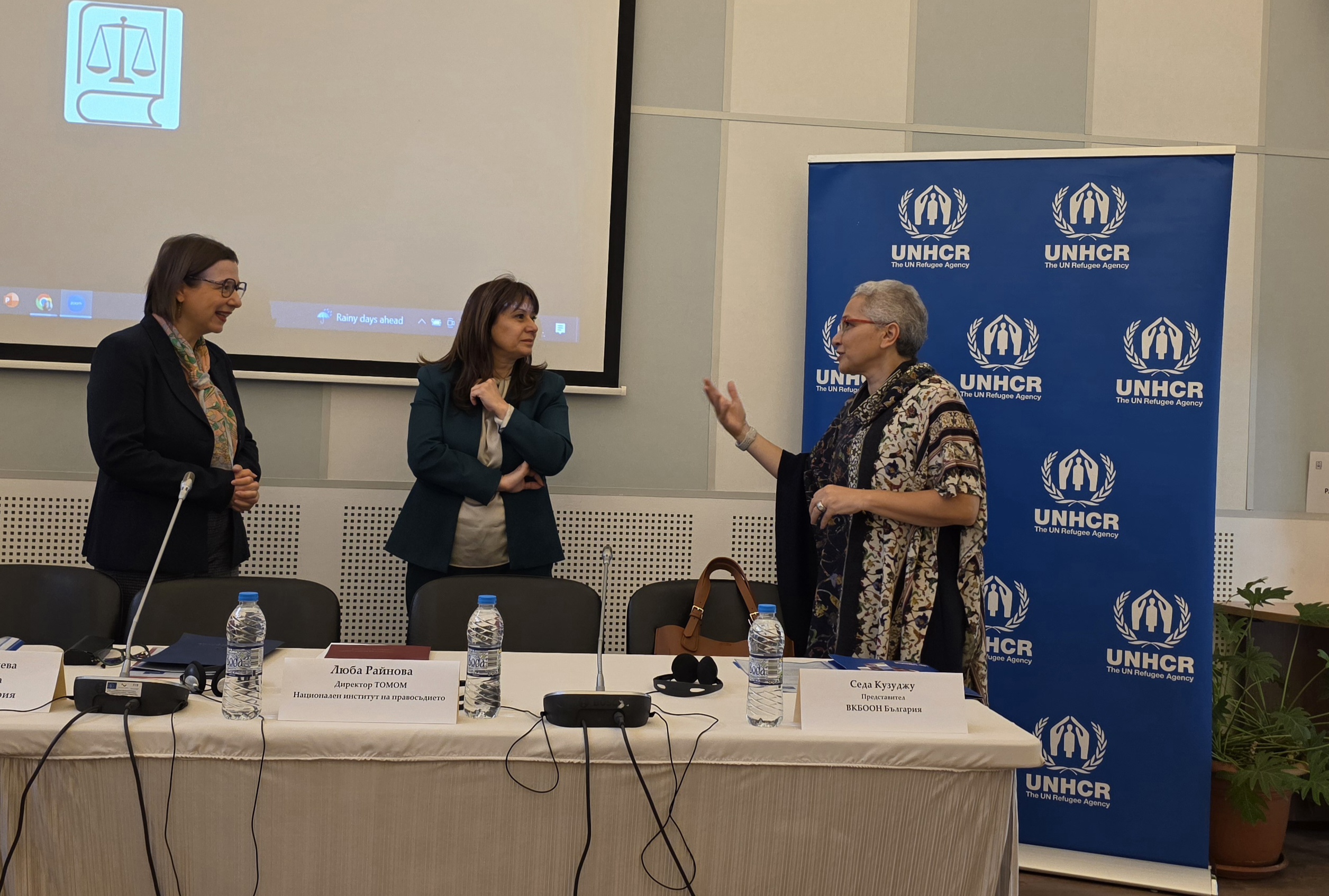
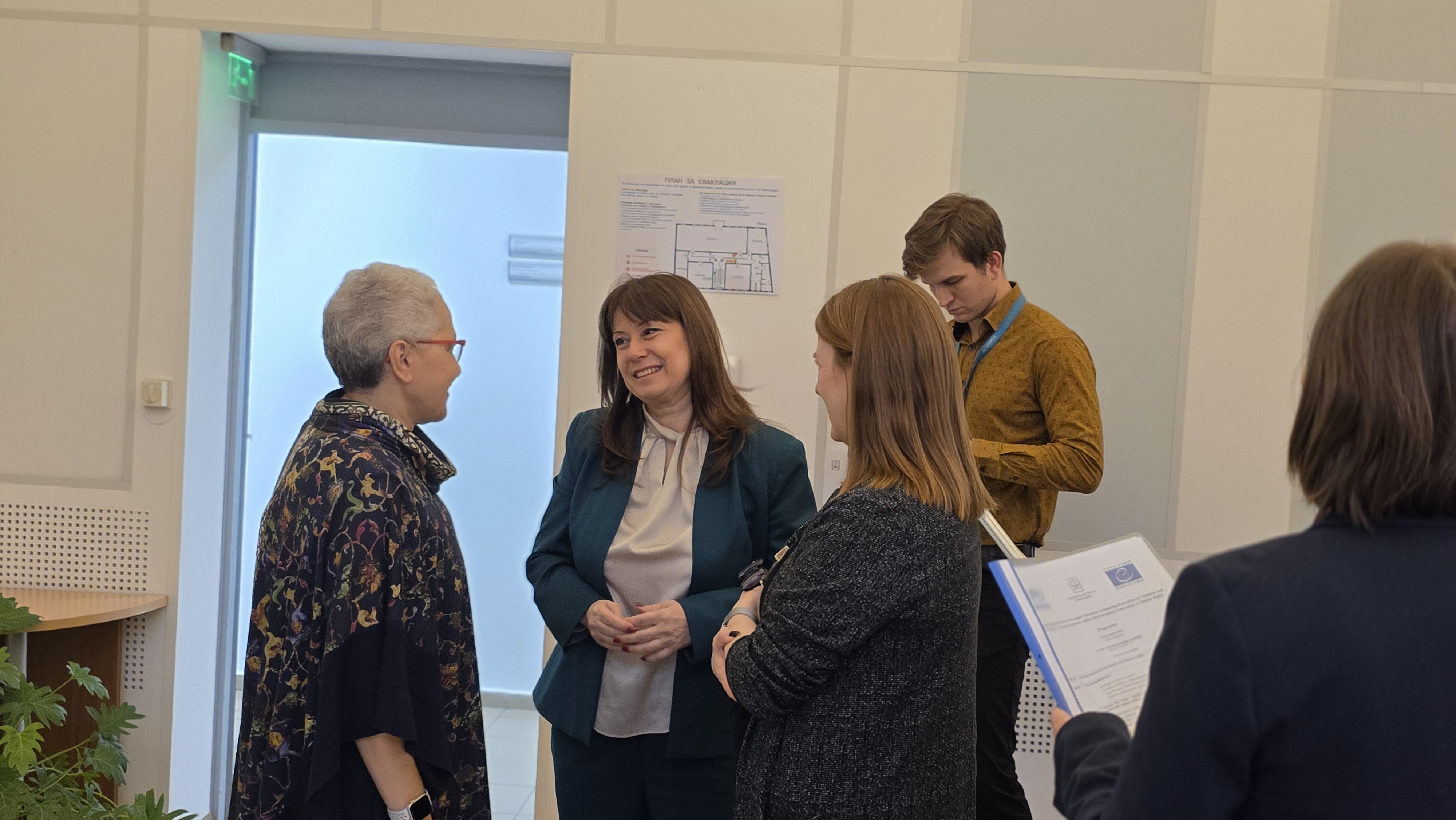
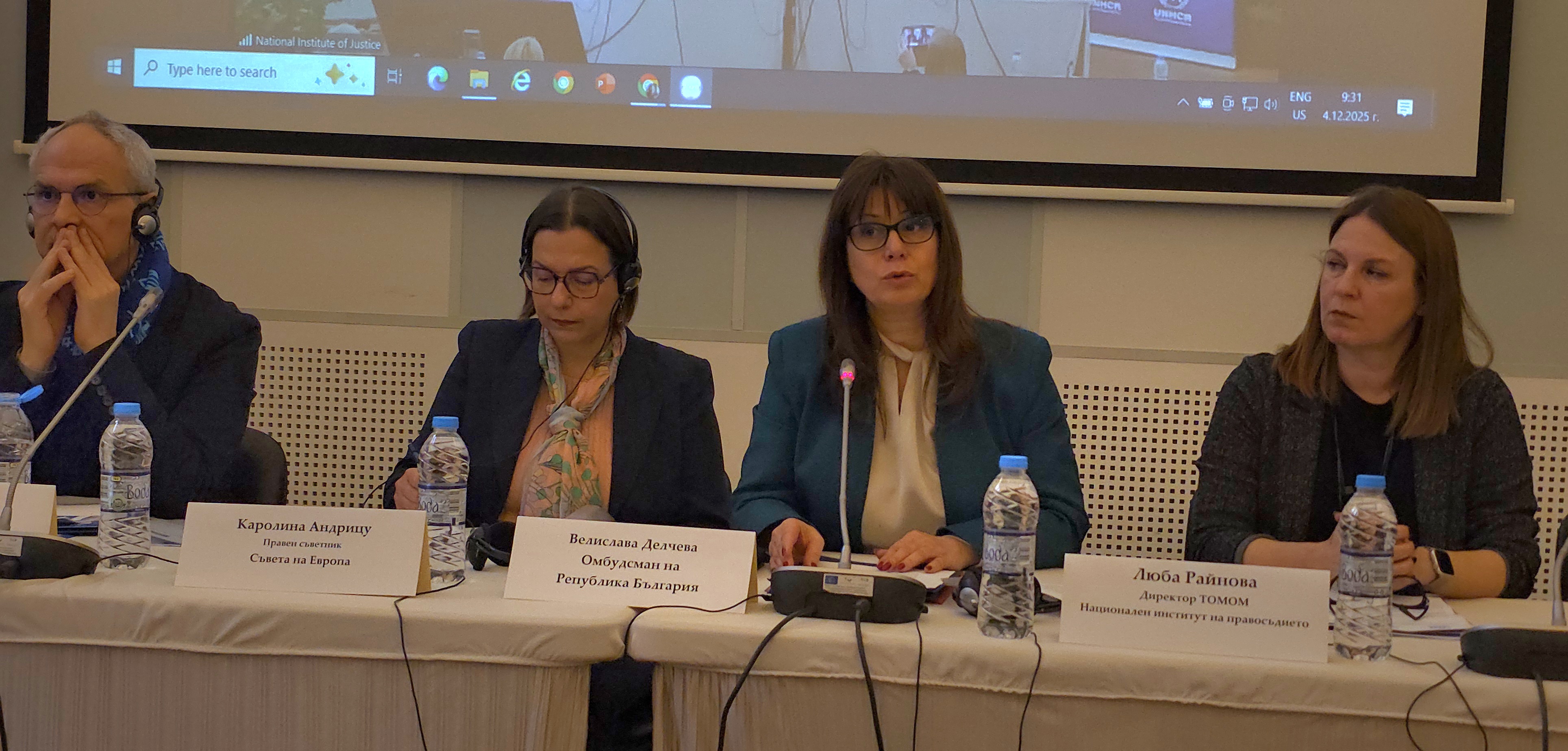
The lack of adequate medical care, the shortage of trained staff, and the risks faced by unaccompanied children remain critical problems in the asylum protection system. This was stated by Ombudsman Velislava Delcheva at the opening of the forum "Guaranteeing Human Rights at Europe's Borders," organised jointly by the National Institute of Justice, UNHCR, and the Council of Europe's Migration and Refugee Department.
In her speech, the Ombudsman highlights that managing migration at Europe's external borders requires both effective control and unconditional respect for human rights.
"Respectful treatment of children and vulnerable persons cannot be compromised, even in times of increased migration pressure," Delcheva said.
She recalls that the Institution of the Ombudsman, as a National Preventive Mechanism, has been monitoring protection practices for more than a decade. In the last five years alone, 28 planned and unannounced inspections have been carried out, covering 18,815 asylum seekers. A significant proportion of the recommendations made as a result of these inspections have been implemented by the competent authorities.
The Ombudsman emphasises that real progress has been achieved following direct intervention by the institution and persistent recommendations made to state authorities over the years.
Among the examples of this progress, Delcheva points out that in 2021, at the height of the pandemic, following a surprise inspection, the unacceptable overcrowding in the secure area for unaccompanied children at the Voenna Rampa center was stopped, where normal living conditions and health care were provided for them.
In 2024, a secure area for unaccompanied children was opened at the registration and reception center in Harmanli – a long-standing recommendation by the Ombudsman, which has finally been implemented.
The Ombudsman also notes the important legislative progress made in ensuring the representation of unaccompanied children through the National Legal Aid Bureau, a measure that fills a legal gap that has existed for years.
Despite the positive steps taken, the Ombudsman's reports continue to identify serious shortcomings in the protection system: difficult access to medical specialists and services; incomplete and insufficient information on the rights of asylum seekers; lack of a sustainable state strategy for the integration of displaced persons; failure to provide translation and understandable information on the content of administrative acts; need for a systematic policy for the protection and integration of unaccompanied minors.
"Overcrowding, lack of healthcare, and limited access to education put children at serious risk. Untrained staff often fail to identify vulnerable groups in time, which increases the risk of abuse," Delcheva points out.
In this regard, she calls on institutions to unite around key instruments for a higher standard of human rights protection at Europe's borders, including: a functioning vulnerability screening system; the involvement of child psychologists, social workers, and access to social services in the community; the provision of translation and accessible information on rights.
The Ombudsman also stresses the need for ongoing training of staff working with persons seeking protection on ECHR standards, human rights, children's rights and international asylum standards.
In conclusion, Velislava Delcheva thanked the organizers from the National Institute of Justice, the UN High Commissioner for Refugees, and the Council of Europe, and wished the participants fruitful work.
OMBUDSMAN'S RECEPTION-ROOM
- address: 22 George Washington str.,
1202, Sofia - phone: (+359 2) 810 6955; fax: (+359 2) 810 6963
- e-mail: priemna@ombudsman.bg
PRESS CENTER OF THE OMBUDSMAN
- phone: (+359 2) 810 6913
- e-mail: press@ombudsman.bg