News
The Ombudsman: Low incomes make it difficult for households to cover their energy costs
13 March 2026
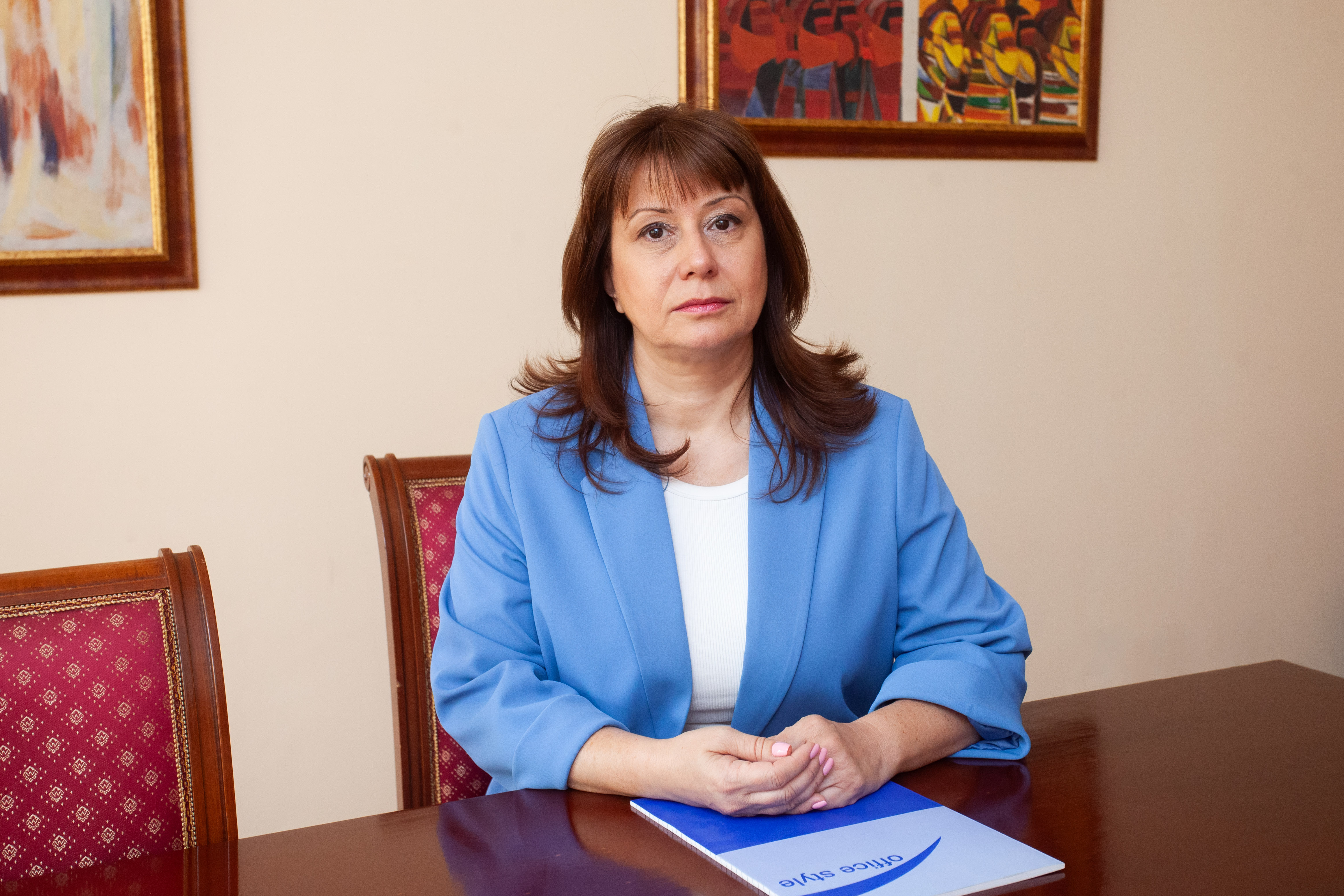
Ombudsman Velislava Delcheva sent a statement to the acting ministers of energy, Traicho Traikov, and of labour and social policy, Hasan Ademov, regarding the public consultation on a draft Ordinance on the criteria, conditions, and procedures for determining the status of a household in a situation of energy poverty and the status of a vulnerable customer for electricity supply.
In her statement, the Ombudsman emphasizes that the draft must clearly state the reasons for the proposed amendments, ensure full compliance with the legal definition of a “vulnerable customer,” and avoid unjustified restrictions on the group of people who need protection. According to Delcheva, such an approach is necessary for the regulatory framework to effectively fulfill its purpose—protecting citizens who have difficulty covering their energy costs.
The Public Defender underlines that the institution is closely monitoring the issue of energy poverty and the need for the State to provide adequate support to people in need, in accordance with European Union standards and policies. The Ombudsman notes that the institution has been an active participant in public debates since the transposition of Directive (EU) 2019/944.
Velislava Delcheva stated that the Ombudsman Institution continued to receive complaints from citizens reporting serious difficulties in paying their electricity bills. People cited various reasons—social, health, and financial problems, as well as extraordinary life circumstances.
“Low incomes in Bulgaria do not afford high energy costs, and therefore many households have to sacrifice comfort in the winter—and increasingly in the summer as well, with growing cooling needs,” the opinion notes.
The Ombudsman generally supports the efforts of the two ministries to establish a regulatory framework for identifying households in energy poverty and vulnerable customers.
"In the context of high energy prices and the upcoming liberalisation of the electricity market, such regulation is crucial for ensuring adequate protection for vulnerable citizens," the Ombudsman emphasises.
In her opinion, Delcheva also raises a number of issues that should be carefully analysed. Among them is compliance with the requirements of the Law on Normative Acts. According to the Ombudsman, the published report accompanying the draft does not contain sufficiently clear and specific grounds to justify the necessity of the proposed substantial amendments.
“The lack of clear justifications limits the ability of stakeholders to fully participate in the public consultation, which in practice undermines the procedure,” the opinion further states.
The Ombudsman expresses concern over the proposed amendments to the current regulatory framework, including the removal of provisions related to the priority implementation of energy efficiency measures for households in energy poverty under the Energy Efficiency Act.
In the opinion, the Ombudsman also draws attention to the proposed restrictive interpretation of the term “vulnerable customer,” which, according to Delcheva, creates a risk of significantly narrowing the range of citizens who can receive the necessary protection under the Energy Act.
OMBUDSMAN'S RECEPTION-ROOM
- address: 22 George Washington str.,
1202, Sofia - phone: (+359 2) 810 6955; fax: (+359 2) 810 6963
- e-mail: priemna@ombudsman.bg
PRESS CENTER OF THE OMBUDSMAN
- phone: (+359 2) 810 6913
- e-mail: press@ombudsman.bg