News
The Ombudsman made recommendations for better protection of children with special educational needs in the Pre-school and School Education Act
14 July 2026
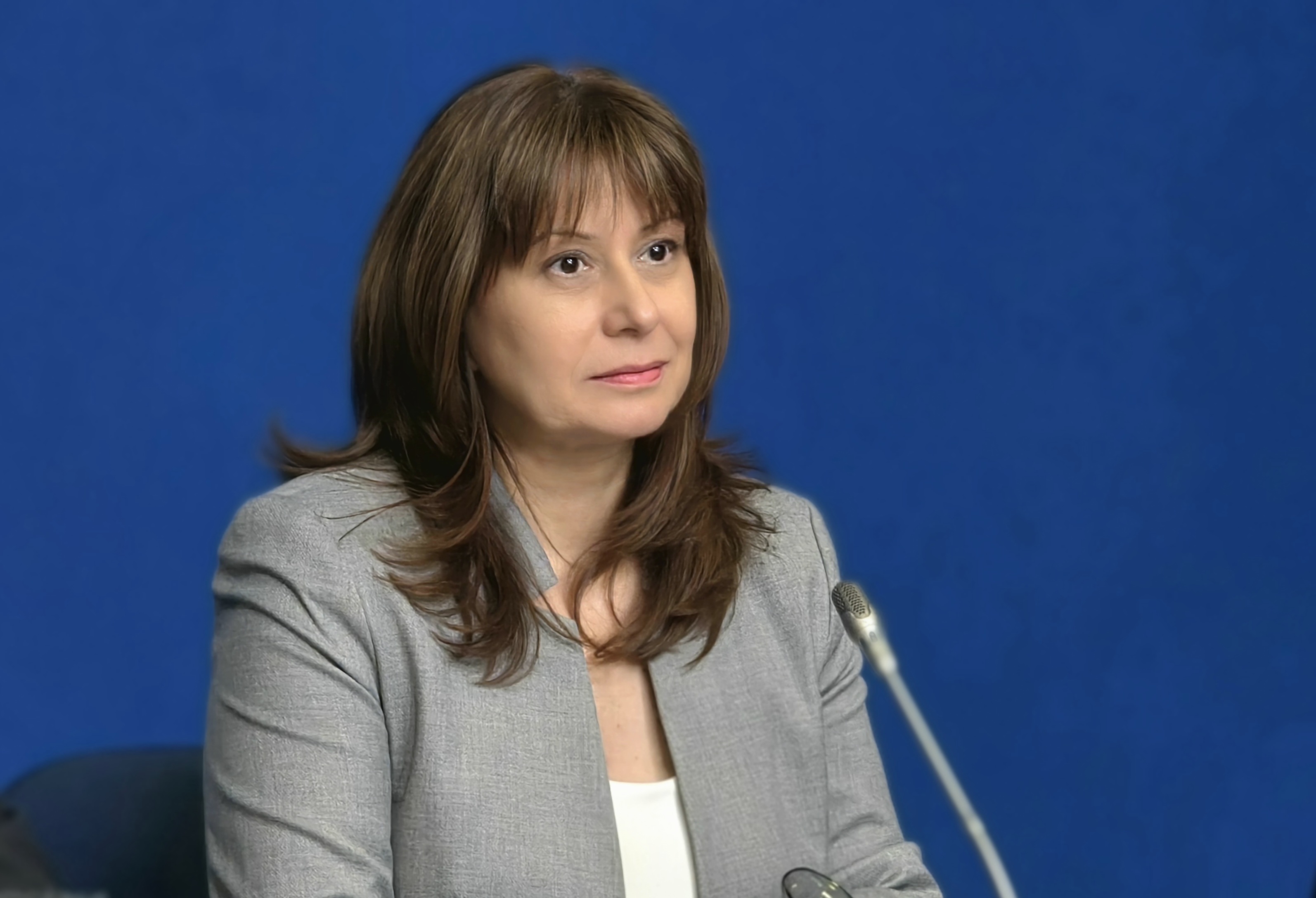
Ombudsman Velislava Delcheva sent an opinion to the Chair of the 52nd National Assembly Mihaela Dotsova and to the Chair of the Committee on Education and Science Dimitar Zdravkov regarding the bill tabled to amend and supplement the Pre-school and School Education Act.
In her statement, Delcheva expresses her support in principle for the proposed legislative changes, but makes specific recommendations for improving the wording in order to ensure more effective protection for children and pupils with special educational needs (SEN).
She emphasises that these are based both on the numerous complaints and reports received by the Institution from parents, relatives, teachers and headteachers, and on the practical experience gained from working on specific cases.
The Ombudsman supports the fundamental principle of inclusive education, whereby all children should learn together wherever and whenever possible, regardless of their difficulties.
She points out that an analysis of the cases received by the Institution clearly shows that parents of children with disabilities and special educational needs attach great importance to their inclusion in the education system and to ensuring they receive a high-quality education.
According to the Ombudsman, inclusive education is also of key importance for building a society free from discrimination, social stereotypes and stigma; it encourages the participation of all children in the educational process and therefore requires consistent public support, sufficient resources and targeted investment.
In her opinion, Velislava Delcheva also points out that parents often describe their children’s education and access to pre-school groups as a daily struggle, in which they face systemic problems, a bureaucratic attitude, a lack of training among teaching staff to work with children with special educational needs, and a lack of understanding of their specific needs.
She notes that the organisation also receives reports from headteachers and teachers who, too, face serious difficulties in providing the necessary support, whilst there is no shortage of calls within society for children with special educational needs to be placed in special classes or schools – trends which demonstrate just how complex the environment in which inclusive education is developing remains.
Velislava Delcheva supports proposals that focus on pupils’ individual needs, improve personalised support and enable resources to be allocated more effectively.
She welcomes the proposal that an individualised curriculum may be drawn up for a single subject only, which will enable pupils with special educational needs to be assessed fairly in the subjects in which they successfully master the curriculum content. She also supports the provision for varying levels of general and additional support depending on the specific needs of the children; according to the Ombudsman, this change should be backed by the necessary financial resources.
Delcheva is in favour of expanding the scope for the provision of social services in nurseries and schools, as well as strengthening cooperation between educational and social institutions. In her view, this will be particularly important for regions facing a shortage of specialists, and the planned supervision will help to improve the quality of the support provided.
The Ombudsman also welcomes the proposed amendment regarding the determination of the form of education based on an assessment of the pupil’s needs.
“I consider the proposed solution – in the absence of agreement, to proceed in accordance with the Mediation Act – workable and one that takes sufficient account of the interests of all parties,” writes the Ombudsman.
Alongside her general support for the bill, Velislava Delcheva has also put forward specific recommendations for its improvement. These include providing for the possibility for pupils receiving individualised form of education to attend lessons in a combined form, with a view to reducing the risk of social isolation. She insists that the option of a full-day school timetable be reinstated for pupils with special educational needs (SEN) receiving individualised education, and that the provisions relating to the duration of lessons, the appointment of teaching assistants and the regulation of special groups be clarified.
In conclusion, the Ombudsman states that the Institution is ready to continue its active participation in the legislative process and expert dialogue on this issue, so that the forthcoming changes ensure better protection of the rights of children with special educational needs and the genuine inclusion of every child in the education system.
OMBUDSMAN'S RECEPTION-ROOM
- address: 22 George Washington str.,
1202, Sofia - phone: (+359 2) 810 6955; fax: (+359 2) 810 6963
- e-mail: priemna@ombudsman.bg
PRESS CENTER OF THE OMBUDSMAN
- phone: (+359 2) 810 6913
- e-mail: press@ombudsman.bg