News
The Ombudsman once again called for urgent changes in the water supply and sewerage sector: “There has been no improvement, but there is a sustained increase in prices”
29 May 2026
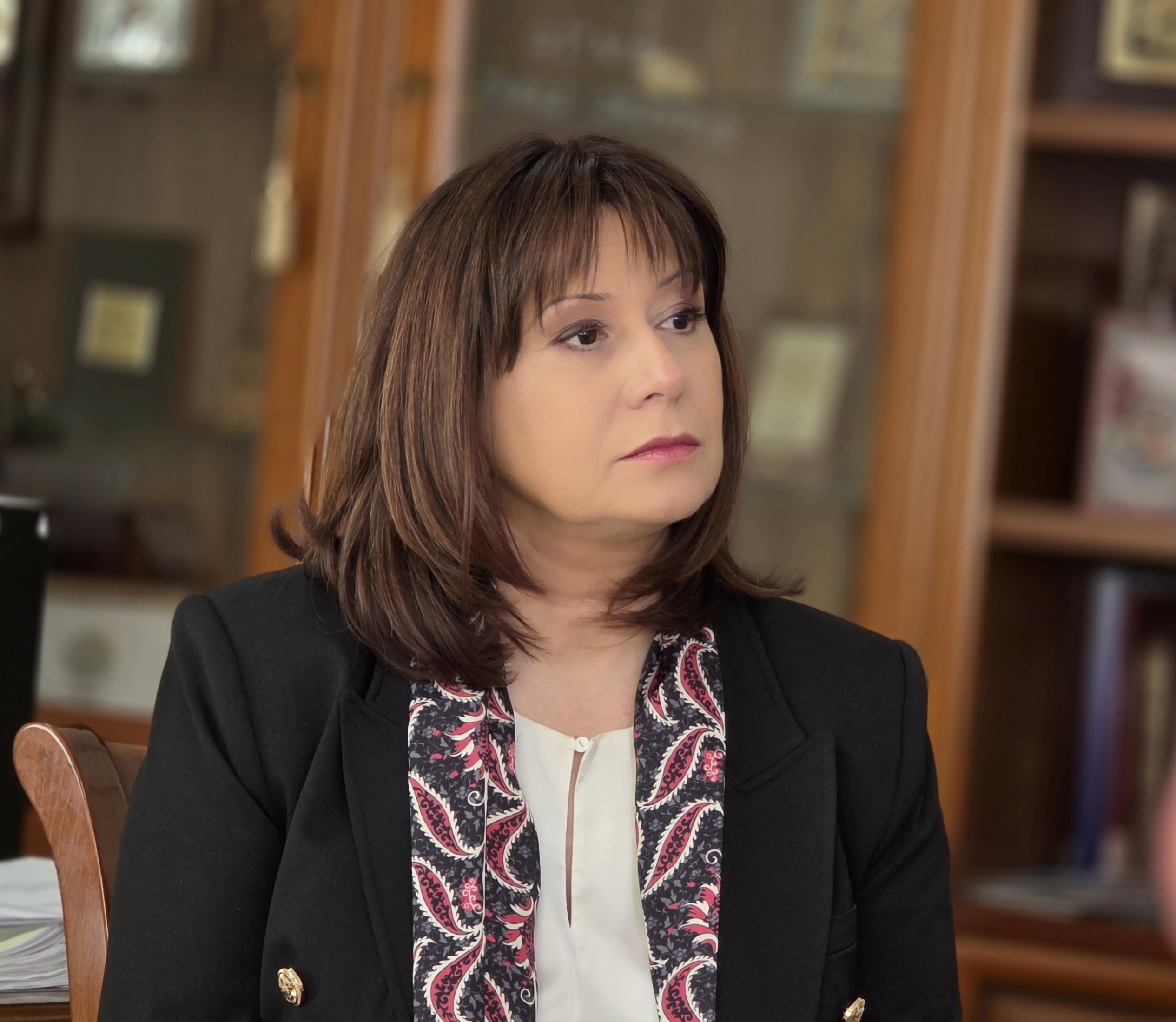
Ombudsman Velislava Delcheva sent an opinion to Konstantin Prodanov, Chair of the Ad Hoc Committee on Budget and Finance in the 52nd National Assembly, and to the members of the committee regarding the Bill to Amend and Supplement the Water Act, submitted on 22 May 2026.
In her opinion, the Ombudsman emphasises the need for effective protection of the rights of water supply and sewerage service users, fair pricing, effective oversight of water supply and sewerage operators, and immediate measures to address the systematic deterioration in service quality.
Velislava Delcheva points out that the recommendations are based on an in-depth analysis of the complaints received by the Ombudsman Institution in recent years, as well as on alarming data regarding the state of the water and sewerage sector in the country.
She also draws attention to the fact that water losses in the country remain extremely high—over 60%—with no significant improvement, despite the substantial financial resources invested in water and sewerage infrastructure.
“No improvement or reduction in overall losses has been recorded from 2020 to the present, but there has been a sustained increase in prices—from 2020 to 2026, the average increase nationwide is over 72%. This naturally raises the question: why are the investments—which, according to the Annual Report of the Energy and Water Regulatory Commission, total over 532 million leva for the country—having no effect?” writes the public defender.
In her opinion, Velislava Delcheva further emphasises that citizens in a number of regions across the country continue to face severe water restrictions and crises, including in Sliven, Omurtag, Shumen, Pleven, Breznik, and towns and villages in the Sofia region.
According to the Ombudsman, it is necessary to adopt an entirely new Water Supply and Sewerage Act that guarantees the right of access to quality water and sewerage services at an economically justified and socially acceptable price. In her statement, Delcheva insists that the price of water be linked to the method of delivery—gravity, pumped, or a combination—so that consumers do not pay unreasonably high costs.
She also insists that a mechanism be put in place to apply a lower price or provide compensation to consumers in cases where the water does not meet regulatory quality standards. She also points out that the institution receives numerous complaints from citizens who are forced to pay the full price for water that has been banned by regional health inspectorates for drinking purposes.
In her opinion, Velislava Delcheva also stresses the need to impose sanctions and coercive administrative measures on water and sewerage operators in the event of non-compliance with their obligations under the general terms and conditions. She supports strengthening the regulatory functions of the Energy and Water Regulatory Commission (EWRC), but warns that without effective sanctions, consumer protection will remain merely a formality.
The Ombudsman also pays particular attention to the issue of double billing for remote water meter reading. The opinion notes that currently, consumers pay both fees to heat meter readers for providing data to water and sewerage operators and reporting costs included in the price of water and sewerage services. According to the Ombudsman, the law must explicitly guarantee the free provision of this information to water and sewerage operators.
The Ombudsman is once again calling for a comprehensive legal, economic, social, and technical analysis of the implementation of the Strategy for the Development and Management of the Water and Sewerage Sector for the period 2014–2023, as there is currently no public assessment of the effectiveness of the measures taken, the results of the uniform water price, and the achievement of quality indicators.
In conclusion, Velislava Delcheva expresses her confidence that the proposals made will be carefully considered and taken into account by members of parliament in order to safeguard the rights and interests of water and sewerage service users in Bulgaria.
OMBUDSMAN'S RECEPTION-ROOM
- address: 22 George Washington str.,
1202, Sofia - phone: (+359 2) 810 6955; fax: (+359 2) 810 6963
- e-mail: priemna@ombudsman.bg
PRESS CENTER OF THE OMBUDSMAN
- phone: (+359 2) 810 6913
- e-mail: press@ombudsman.bg