News
The Ombudsman proposes that banks discuss the possibility of allowing non-seizable funds to be withdrawn from ATMs
23 December 2025
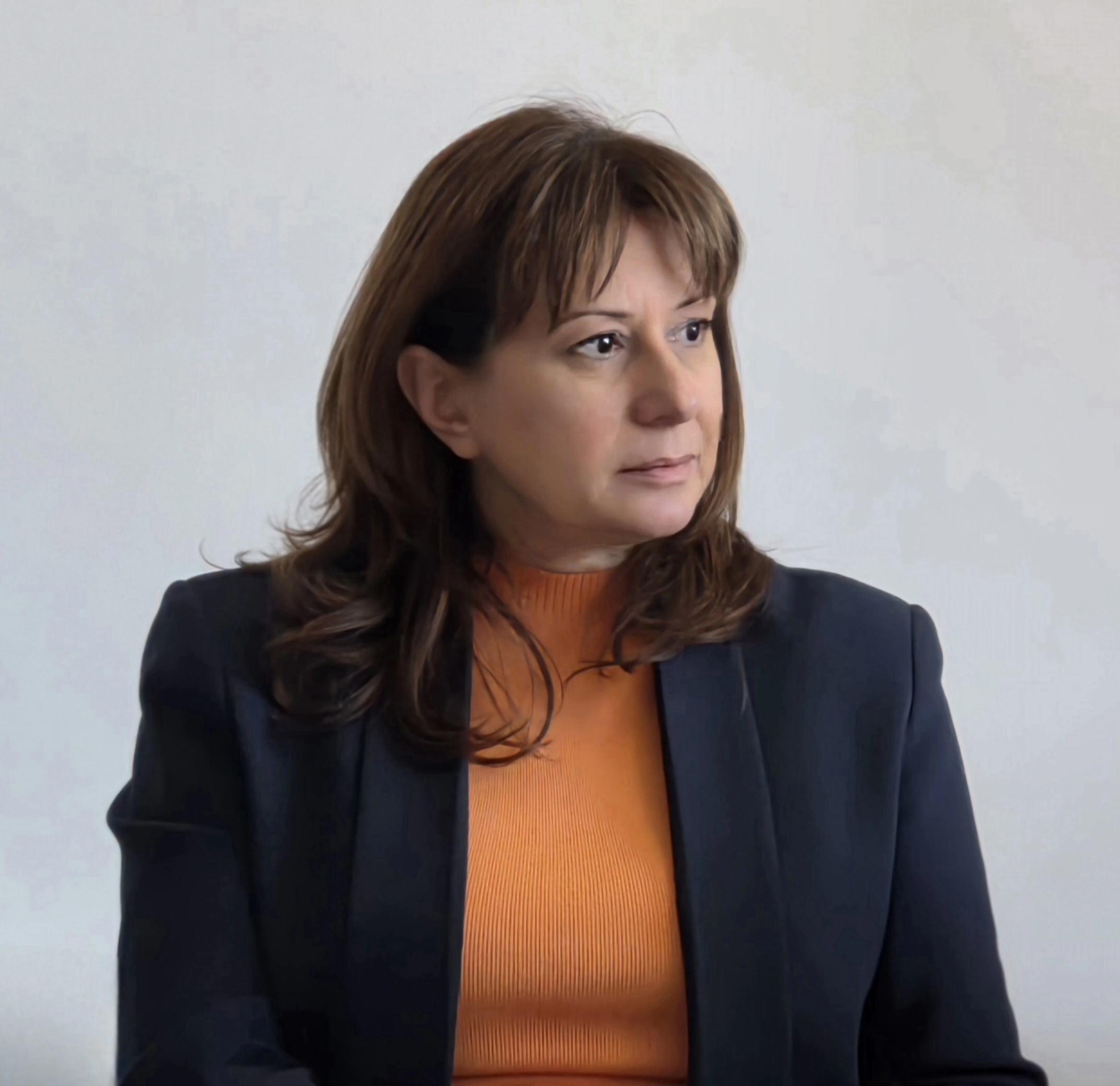
Ombudsman Velislava Delcheva sent a recommendation to Petya Dimitrova, Chair of the Management Board of the Association of Banks in Bulgaria, proposing that consideration be given to allowing citizens whose bank accounts have been frozen to withdraw their non-seizable funds from ATMs, provided that this is done within the month of their receipt in the account.
In her letter, Delcheva notes that such an option could significantly facilitate working people, the elderly, and people with reduced mobility, while preserving the non-seizable nature of the funds.
She points out that, at present, these funds can only be obtained at a bank branch cash desk, which in practice creates a number of difficulties.
The problem is further exacerbated by the remoteness of bank branches and higher cash withdrawal fees.
According to information from the Ombudsman, citizens report that they are often forced to leave their workplace during working hours, use paid or unpaid leave, or seek permission from their employer in order to receive funds that in many cases represent their only income.
"This also affects elderly and immobile people with frozen bank accounts, who have to go to the bank to receive the non-seizable amounts in cash, including waiting for permission to withdraw them, instead of using an ATM close to their home or give their bank card to a trusted person to withdraw the funds," emphasizes Velislava Delcheva.
The Ombudsman also draws attention to differences in bank fees, citing examples where fees for cash withdrawals of non-seizable funds are significantly higher than those for ATM withdrawals – in some cases up to 1% of the amount with minimum values of up to BGN 15, compared to ATM fees of around 0.12–0.15% with minimum values below BGN 0.31.
"It is obvious that the fees for cash withdrawals of non-seizable amounts are significantly higher than those for ATM withdrawals, which has a real financial impact on debtors whose income is equal to or below the minimum wage," Delcheva points out.
In this context, the Ombudsman proposes that the Association of Banks in Bulgaria examine the issue and express its opinion on possible technical and functional solutions that would allow citizens to more easily access their non-seizable funds without violating the current legal framework.
OMBUDSMAN'S RECEPTION-ROOM
- address: 22 George Washington str.,
1202, Sofia - phone: (+359 2) 810 6955; fax: (+359 2) 810 6963
- e-mail: priemna@ombudsman.bg
PRESS CENTER OF THE OMBUDSMAN
- phone: (+359 2) 810 6913
- e-mail: press@ombudsman.bg