News
The Ombudsman supports the use of artificial intelligence in education, but with clear guidelines
24 April 2026
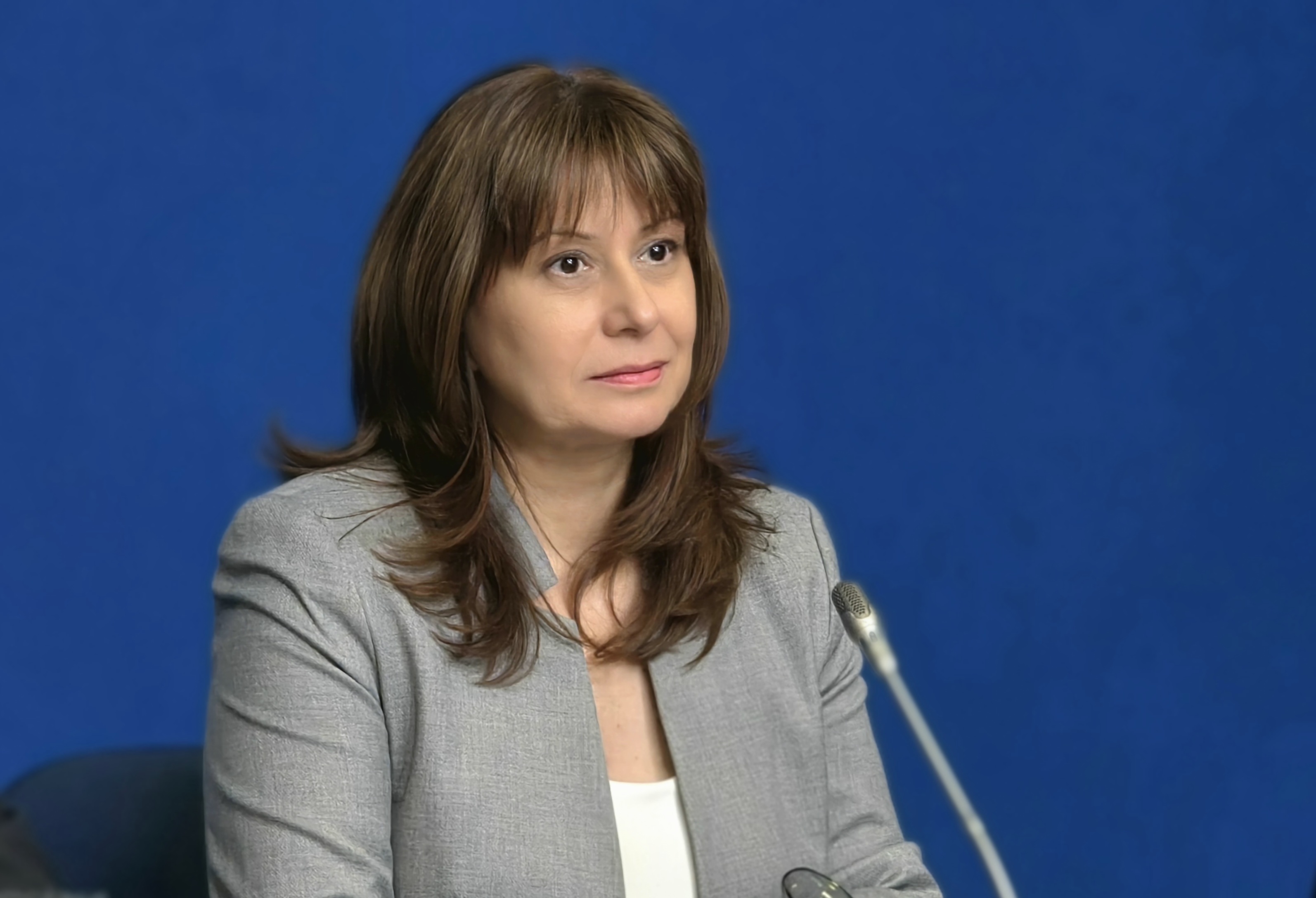
Ombudsman Velislava Delcheva endorsed the draft Ordinance amending and supplementing Ordinance No. 5 of 2015 on General Education, through which the Ministry of Education proposed the official integration of artificial intelligence and digital literacy into the curriculum for grades 3 through 12.
In her opinion to Acting Minister Prof. Sergey Ignatov, the Ombudsman stressed that the proposed changes represented a timely and necessary step toward improving the quality of Bulgarian education in light of the rapid adoption of new technologies across all walks of life.
According to Delcheva, artificial intelligence can be a valuable aid in the learning process, in students’ research and creative activities, as well as a tool for modernising the educational environment and improving feedback between teachers and students. At the same time, she points out that technology should not replace the learning process, but rather support it.
According to the Ombudsman, the successful integration of artificial intelligence into education depends on it being used as a guide to knowledge, rather than as a substitute for it.
In her opinion, Delcheva stressed the need for students to develop critical thinking skills, the ability to verify facts, and the capacity to recognise false information and algorithmic biases, as well as ethical responsibility when using artificial intelligence. The new role of the teacher is also noted—not only as a source of knowledge, but also as a mentor and guide in the digital environment.
Velislava Delcheva also highlights the risks that must be taken into account when implementing the reform. These include the possibility of widening the digital divide between schools and regions, the need for high-quality training and support for teachers, the protection of students’ personal data, the risk of plagiarism and excessive reliance on technology, the lack of clear mechanisms for assessing new competencies, and the need for adequate technical infrastructure.
In her opinion, the Ombudsman also points out that the draft largely aligns with UNESCO’s Guidelines on Generative Artificial Intelligence in Education and with the European rules set forth in Regulation (EU) 2024/1689 on artificial intelligence, which identifies education as a high-risk sector.
Delcheva recommends that the Ministry of Education consider creating a list of certified and safe AI tools for use in schools, as well as additional rules for child protection, transparency, and human oversight regarding the use of technology in the learning process.
She also places special emphasis on the need for a comprehensive approach to mental health in schools, including through social-emotional learning programmes that support children’s adaptation to the rapidly changing digital environment.
OMBUDSMAN'S RECEPTION-ROOM
- address: 22 George Washington str.,
1202, Sofia - phone: (+359 2) 810 6955; fax: (+359 2) 810 6963
- e-mail: priemna@ombudsman.bg
PRESS CENTER OF THE OMBUDSMAN
- phone: (+359 2) 810 6913
- e-mail: press@ombudsman.bg